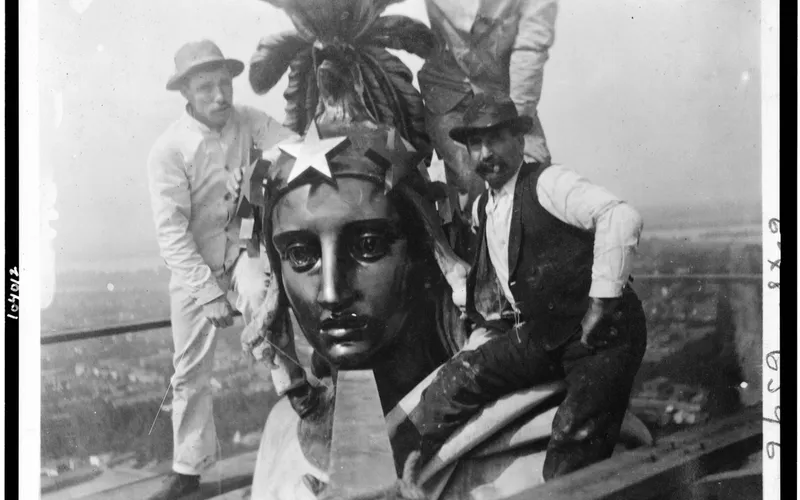
non liberal
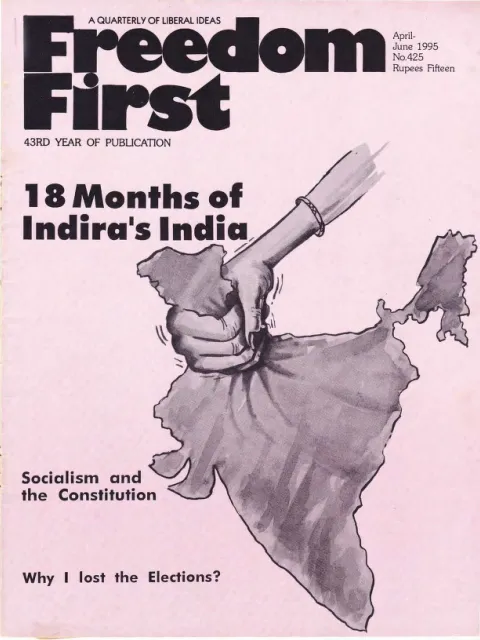
Indira Gandhi
Indira Priyadarshini Gandhi
1917–1984
Also known as: Indira, इंदिरा गांधी, इन्दिरा गाँधी
How Indira Gandhi is discussed in this archive
Authored 5 works in the archive.
Referenced in 25 other works , including National Priorities for 1970 , D R Pendse on Doing Business in India before 1991 Reforms , and India: Seeing the Future in its Past .
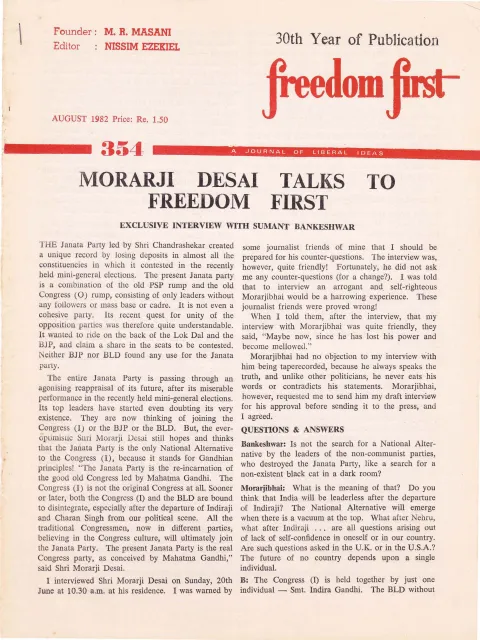
In Centre for Civil Society : A Journey in Time : Shah names Indira Gandhi as the political figure who popularised the 'foreign hand' rhetoric that he sees as still shaping Indian suspicion of liberal advocacy.
In D R Pendse on Doing Business in India before 1991 Reforms : Though not named directly, the female pronoun 'she' and the dating of the worst controls 'from 1969 onwards' — the year of bank nationalization and the MRTP Act — make Indira Gandhi the unnamed referent for the gold control decision and the nationalization wave; recording her as a probable mention.
In Access to Medicines at Affordable Prices : Hamied quotes a 1981 WHO statement attributed to Indira Gandhi — that medical discoveries should be free of patents and free of profiteering — as the moral horizon grounding India's pharmaceutical access mission.
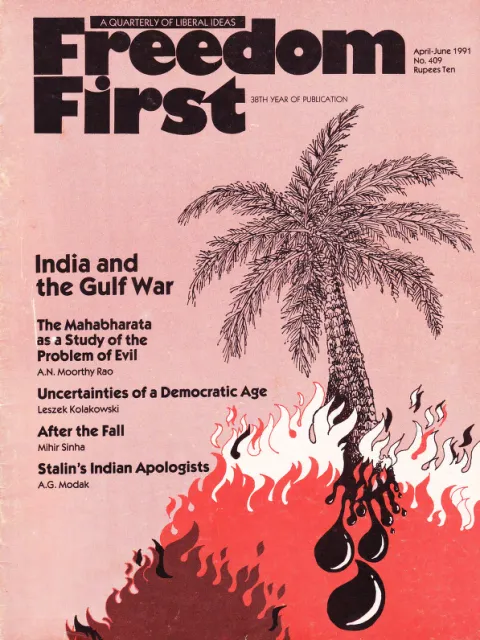
In A Viable Agriculture Policy for Sustained Growth : Tarapore invokes Indira Gandhi's retrospective admission about a scuttled 1970s oil-palm corporatisation scheme to support his case for leasing uncultivated government land to corporates.
In India: Seeing the Future in its Past : Rajan dates the first wave of liberalisation to the Indira and Rajiv Gandhi years, treating their policy openings as the prelude to the deeper 1991 reforms.
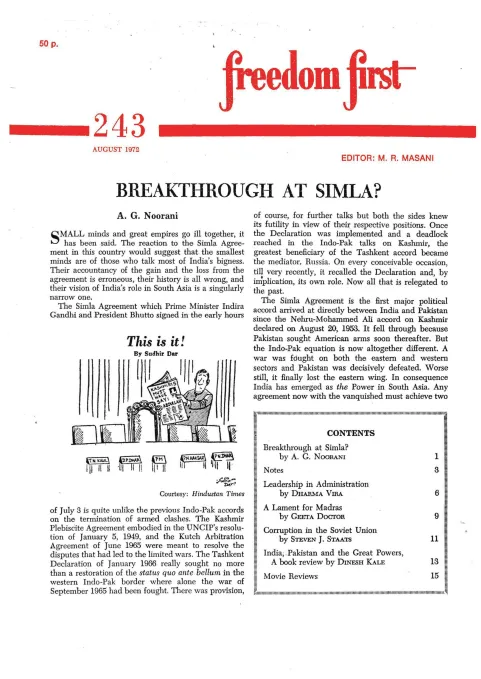
By Indira Gandhi (5)
-
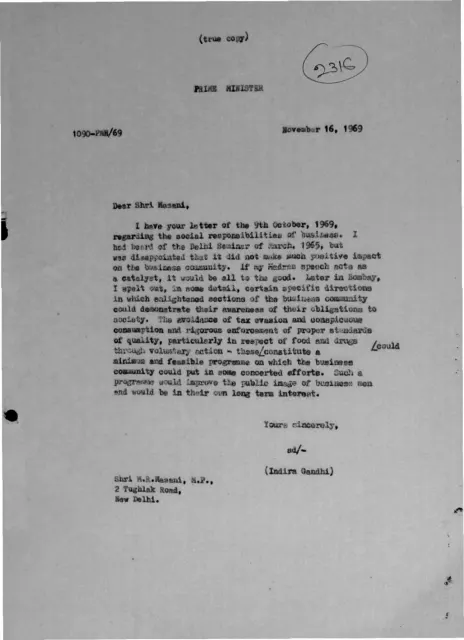
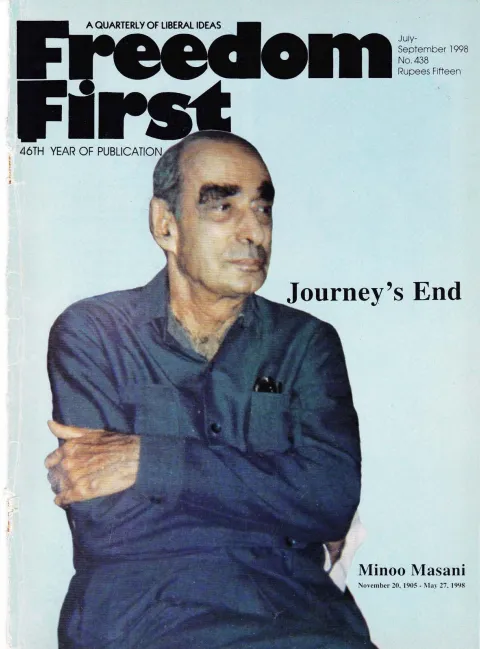
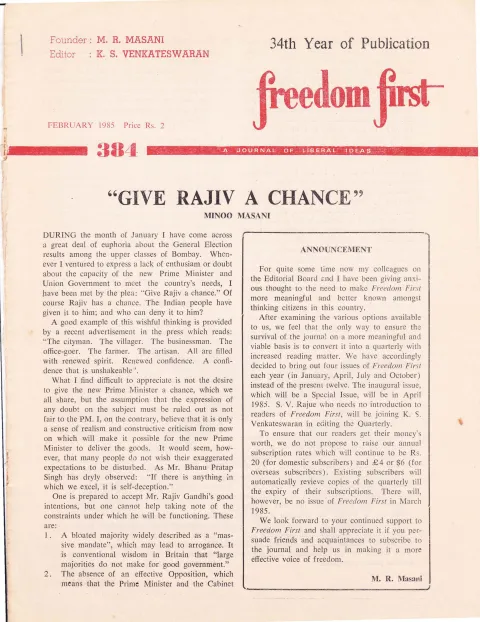
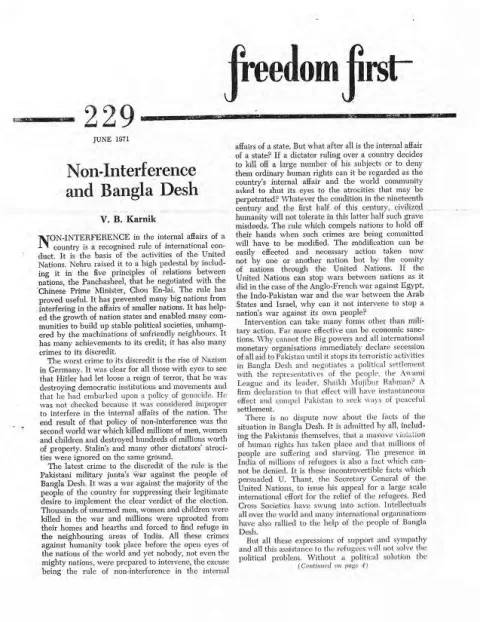
Letter to Mr Minoo Masani
1969 · letter
-
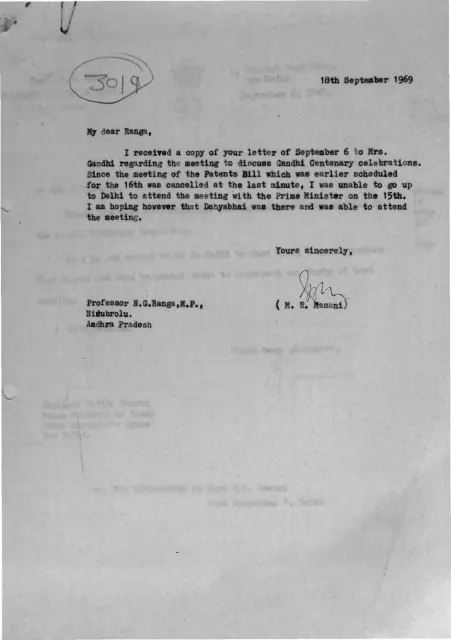
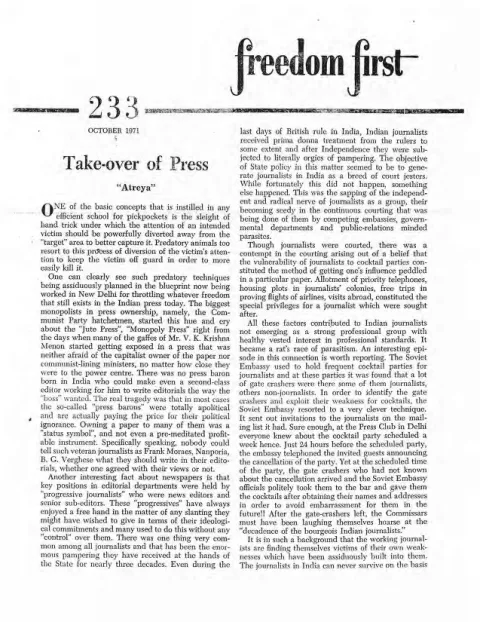
Letter to N G Ranga
1969 · correspondence
-
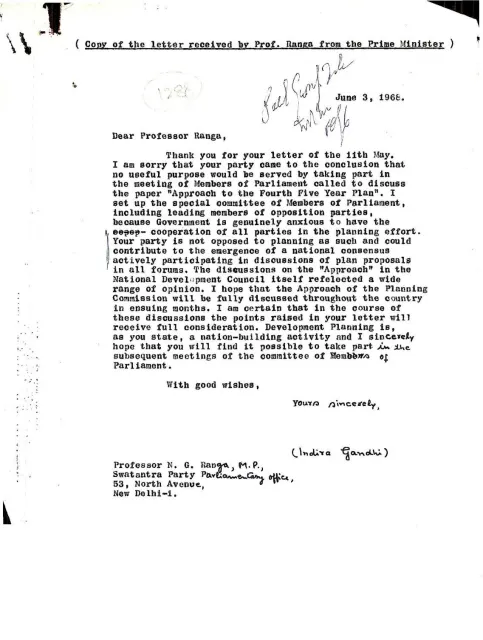
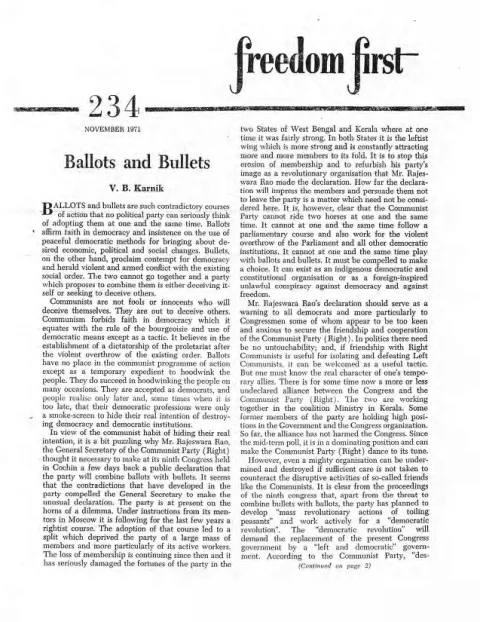
Letter to NG Ranga
1968 · letter
-
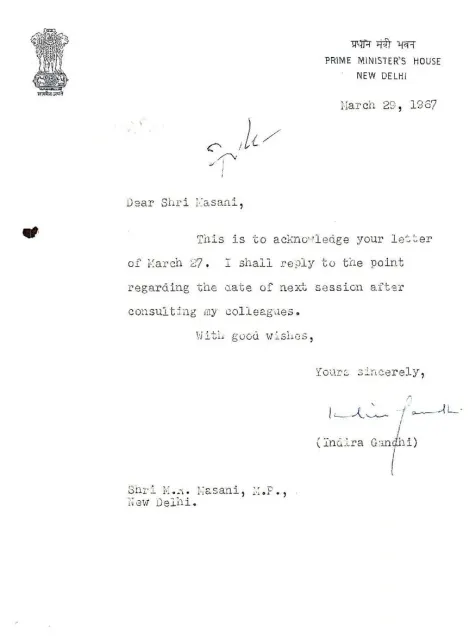
Letter to Mr Minoo Masani
1967 · letter
-
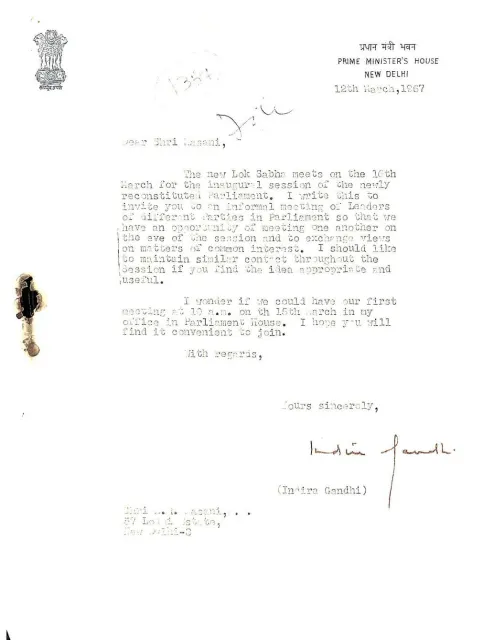
Letter to Mr Minoo Masani
1967 · letter
Nothing here matches. Clear the search or remove some filters.
Matches inside Indira Gandhi's works and pages
Mentioned in (305)
Primary works (290)
- Centre for Civil Society : A Journey in Time · 2020
- "I think that's certainly the mindset, of course, popularized by Indira Gandhi in terms of the foreign hand, and even continues to some extent today in much of the public discourse." · Diagnosing the lineage of the 'CIA paying you' question.
- D R Pendse on Doing Business in India before 1991 Reforms · 2016
- "One day, then she decided, and anything more than 14 carat became illegal." · The 'she' here is the prime minister who introduced the gold control — Indira Gandhi.
- "the controls were at the worst from 1969 onwards" · 1969 marks Indira Gandhi's bank nationalization and the MRTP Act.
Show all 290
- Access to Medicines at Affordable Prices · 2014
- "Hamied quotes a 1981 WHO statement attributed to Indira Gandhi — that medical discoveries should be free of patents and free of profiteering on life or death" · closing section; Gandhi's statement is invoked as the normative touchstone for Hamied's access-to-medicines argument
- A Viable Agriculture Policy for Sustained Growth · 2012
- "Recalling Indira Gandhi's 1980s admission about scuttled oil-palm corporatisation — 'We did some funny things, didn't we?'" · second half of the essay; Gandhi's self-critical quote is used to lend political legitimacy to Tarapore's corporatisation proposal
- India: Seeing the Future in its Past · 2006
- "to seize the liberalisation openings under Indira and Rajiv Gandhi and the deeper 1991 reforms." · Indira Gandhi is named as the start of the pre-1991 reform arc
- "Pre-1991 liberalisation under Indira and Rajiv Gandhi, plus political decentralisation after the decline of Congress dominance, shifted competitive pressure onto state governments" · key-points: Indira-era liberalisation as the political prelude to state-level reform
- Report · 2005
- "giving the examples of Profumo in England and Mrs. Gandhi's forcing of ministers to resign despite legal clearance." · Sathe pairs the Profumo case with Mrs. Gandhi's ministerial-resignation practice as exemplars of convention-driven accountability
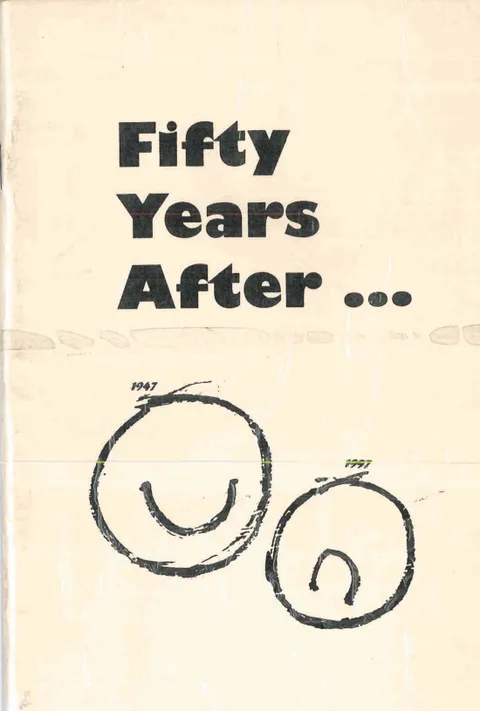
- Fifty Years After ... · 1997
- "He is cautiously hopeful about technology (TV and radio freeing communications from state control) and emerging federal pressures, but ends with a letter exchange between Sheila Kaul and Nanasaheb Goray parodying the 'Dandi March Run' as a symbol of the frivolity of those in power." · context where Indira Gandhi's legacy is the subject
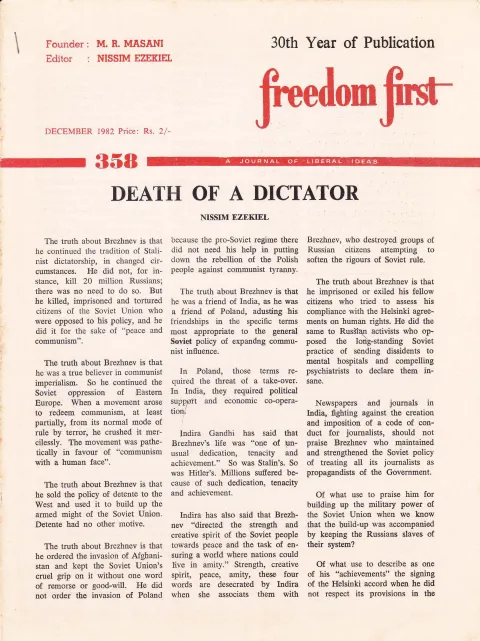
- "The moral decline of public life is dated to Indira Gandhi's decision to treat Congress as a family affair" · Varde's diagnosis identifying Indira Gandhi as the inflection point in Indian political corruption
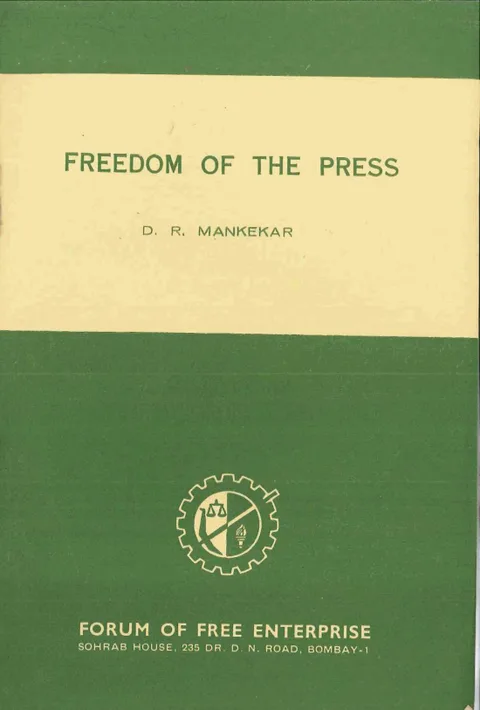
- Freedom of the Press · 1971
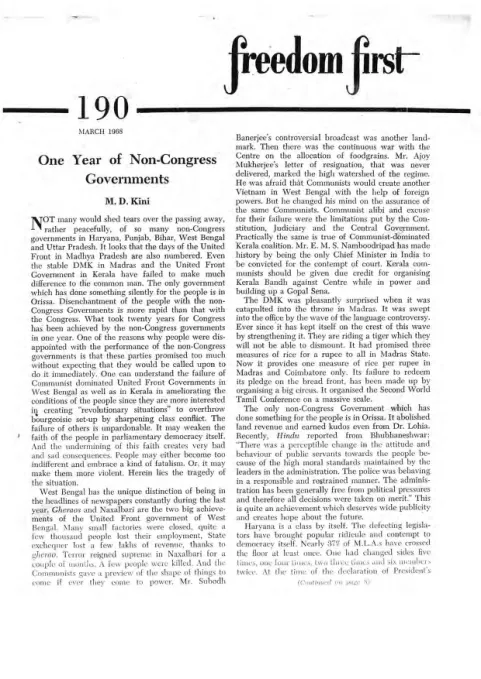
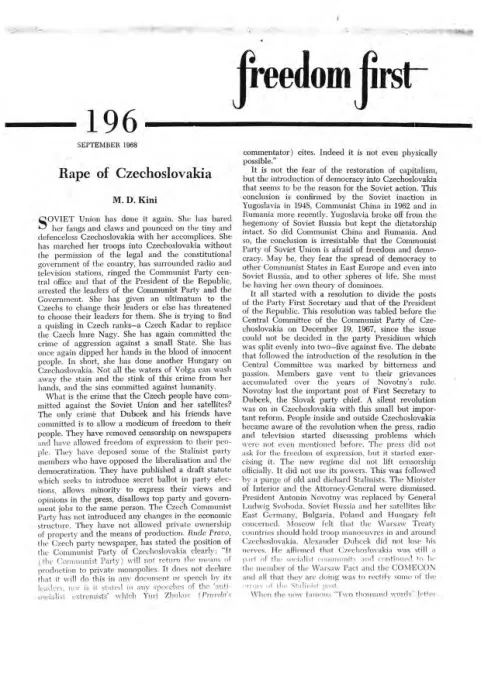
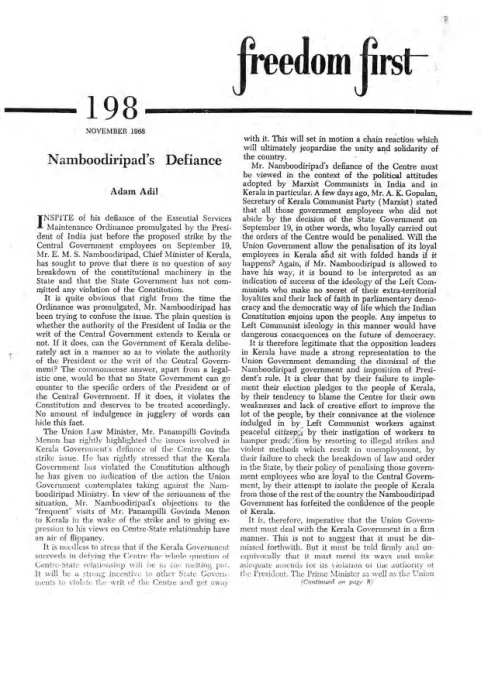
- "a 1968 passage from Indira Gandhi on the threat to a free press coming as much from within journalism as from authority" · appended to Mankekar's main argument as a concessive authoritative voice reinforcing his concern about editorial integrity
- Devaluation of the Rupee · 1966
- "including warnings to Mrs. Gandhi and the publicised reservations of Kamaraj" · Mrs. Gandhi is mentioned as a principal political actor absorbing the political heat of the devaluation decision
- Modern Technology for Economic Development · n.d.
- "Drawing on Indira Gandhi, C. V. Raman, M. G. K. Menon, Vikram Sarabhai and Homi Bhabha" · opening of the Indian-context section; Indira Gandhi cited as a source for the home-grown-science thesis








Opinion pieces (5)
- Acharya N G Ranga: The Farmer’s Friend and Swatantra Party Stalwart
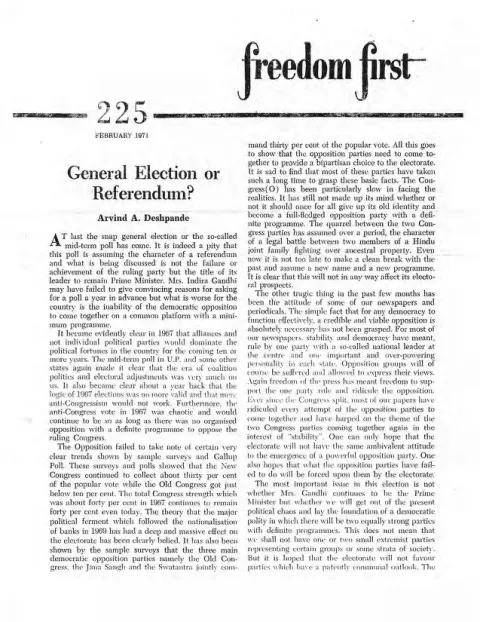
- "The Congress underwent a split into two factions led by Indira Gandhi and K Kamraj. Minoo Masani opposed the proposal of a joint alliance between the Kamraj faction and the Swatantra party." · Indira Gandhi's factional dominance is shown as a key destabilising factor for the Swatantra Party's strategic options
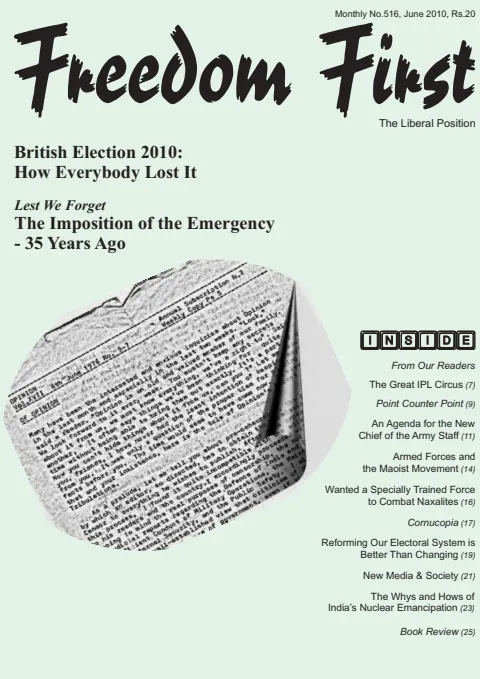
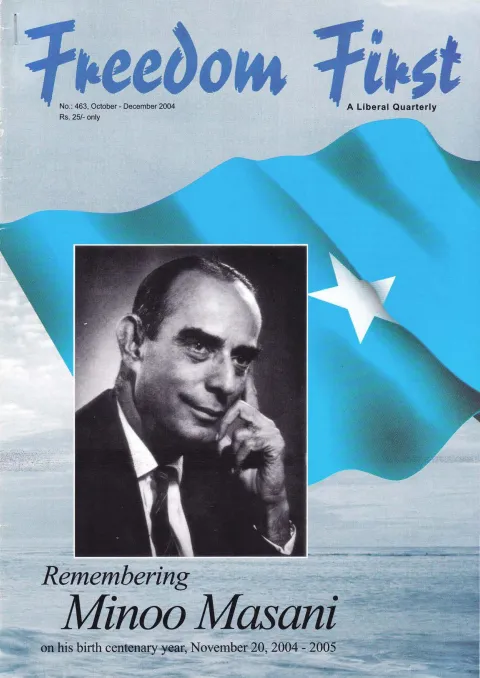
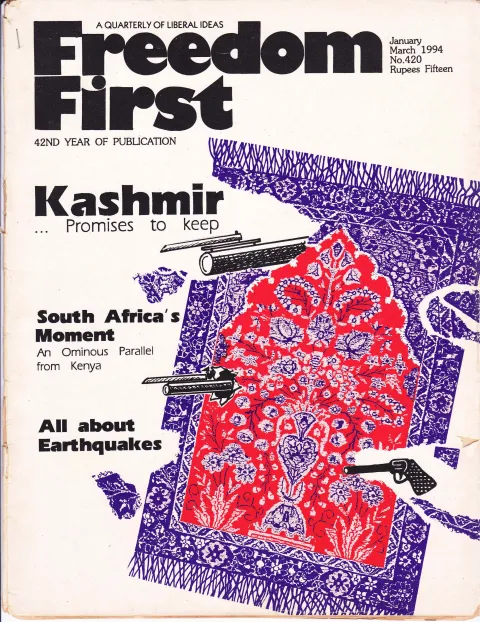
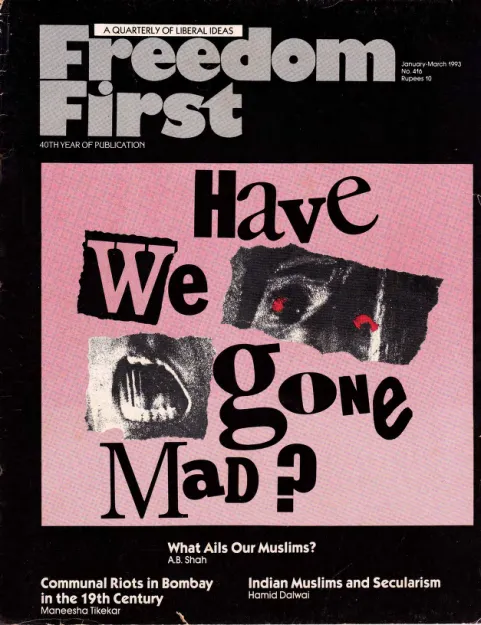
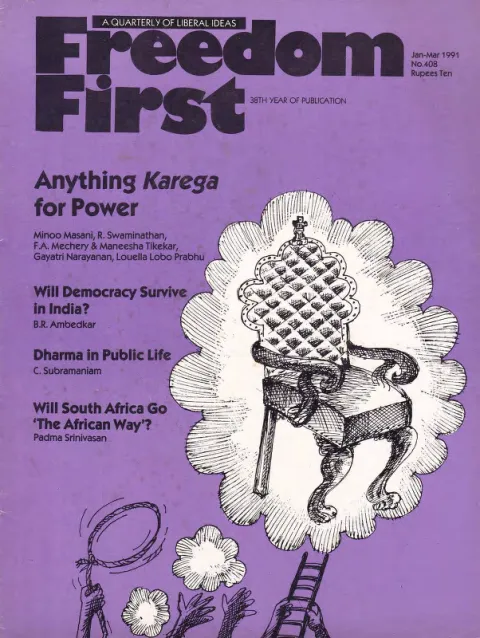
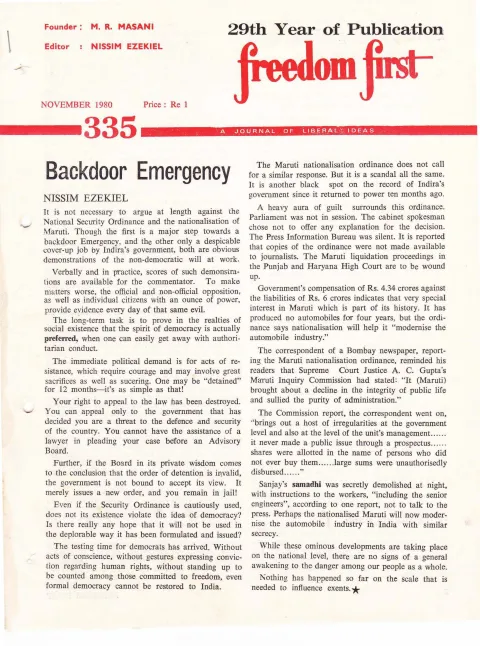
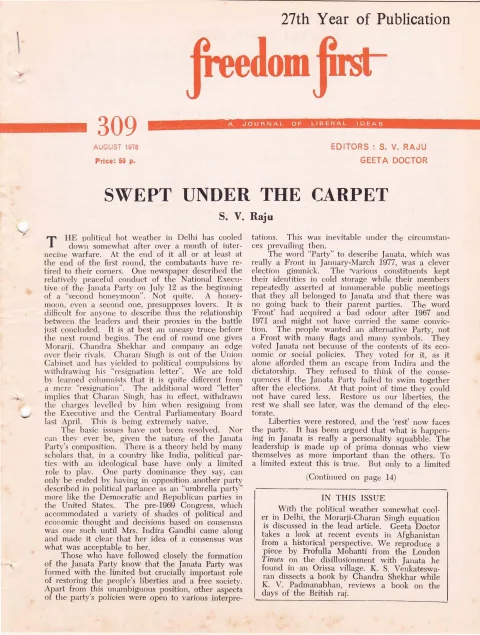
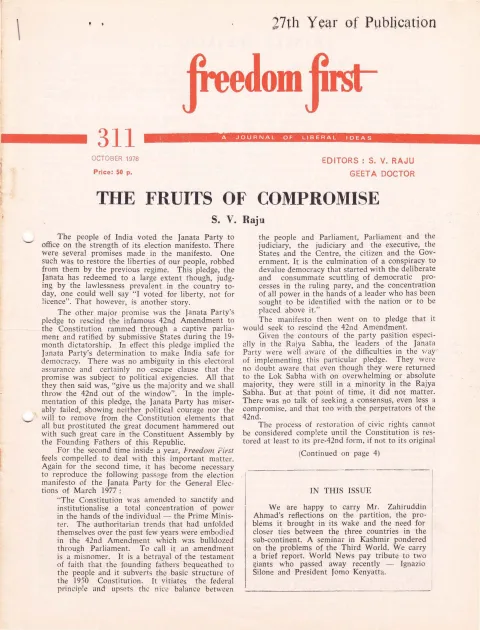
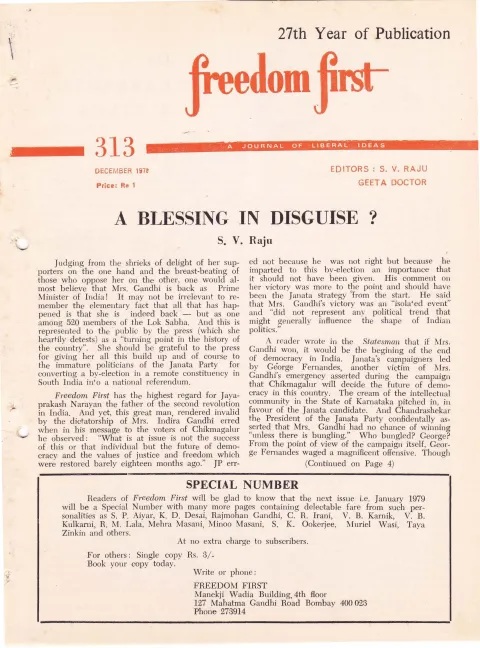
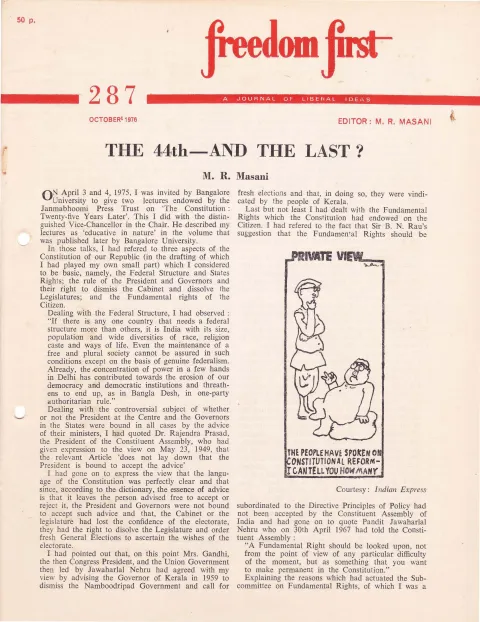
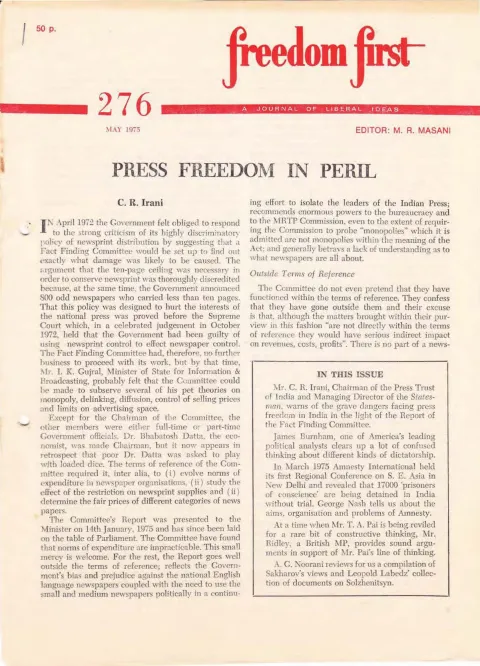
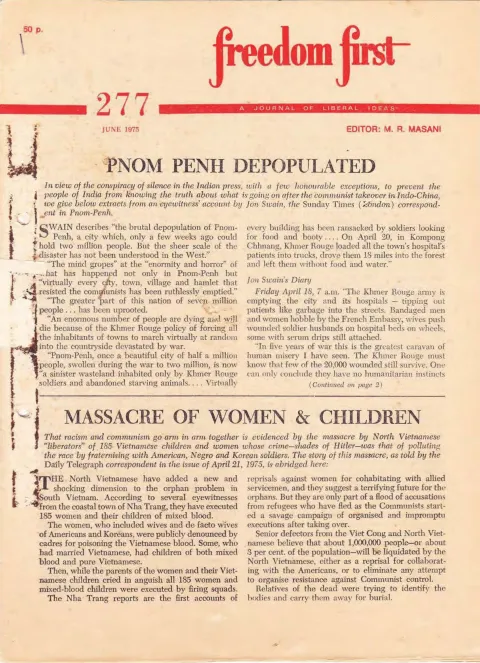
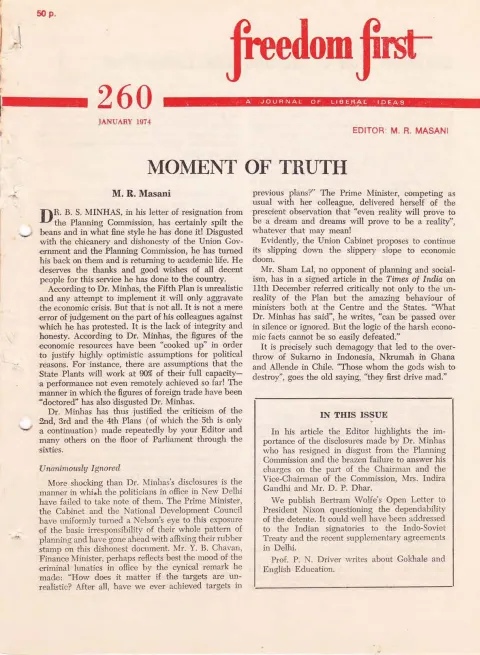
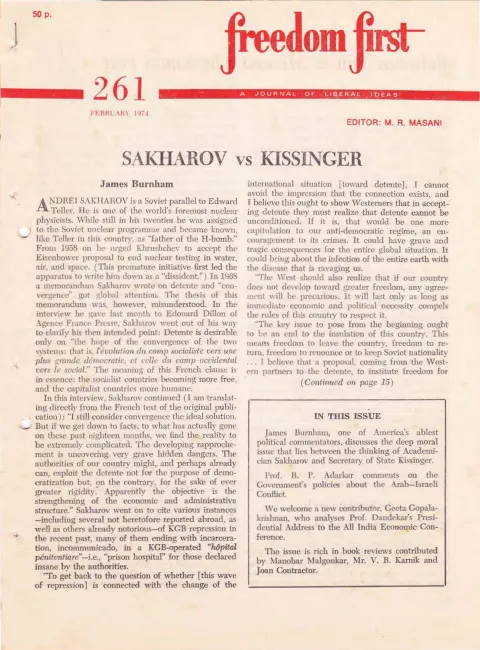
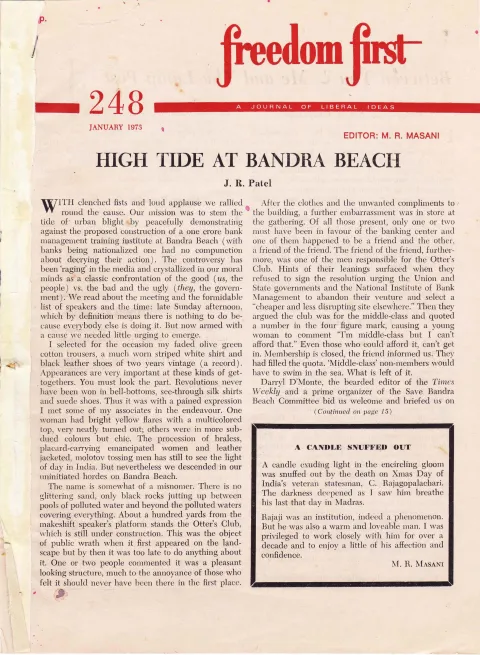
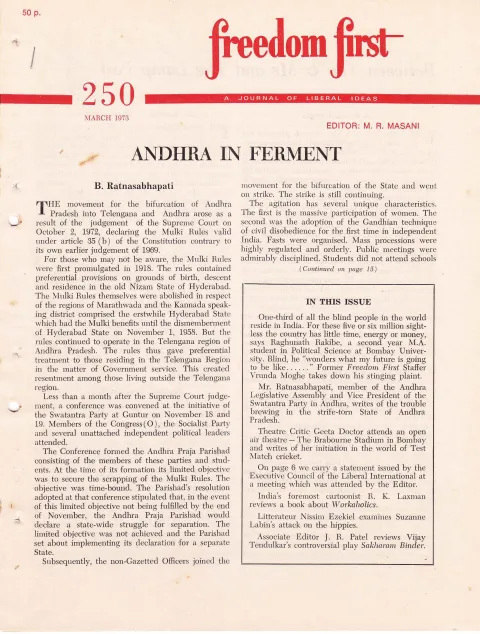
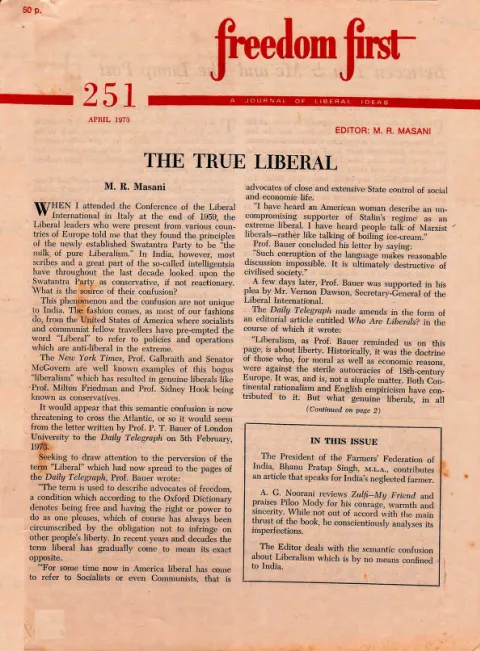
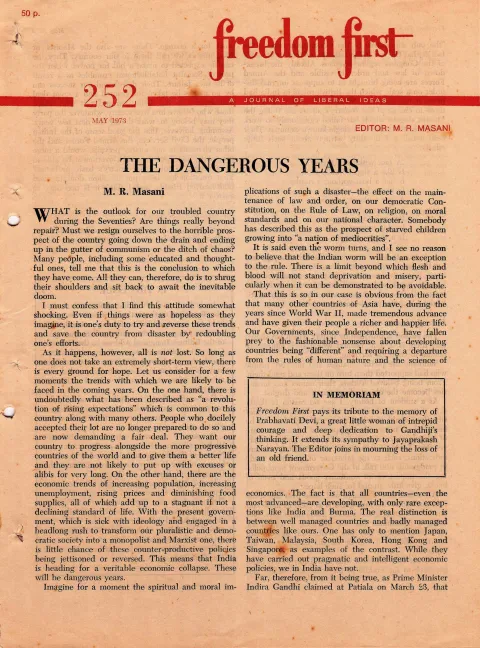
- Freedom First's Resistance to Indira Gandhi's Emergency
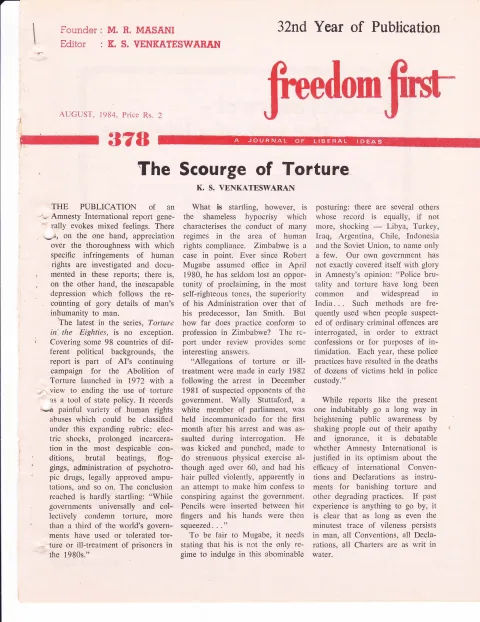
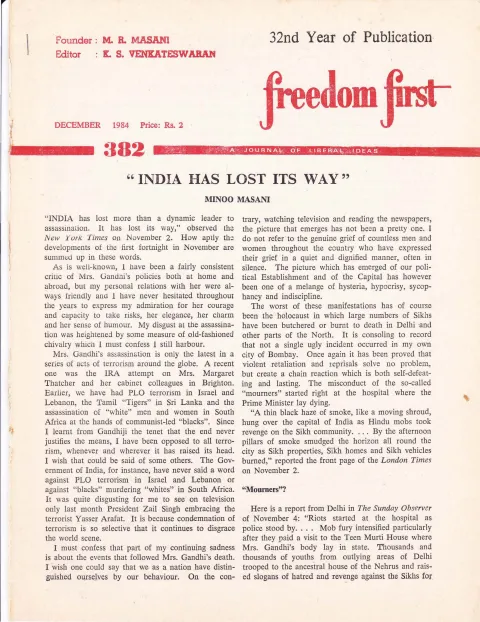
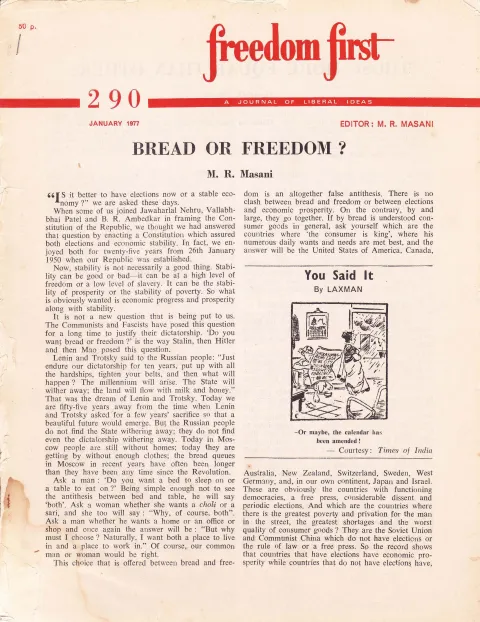
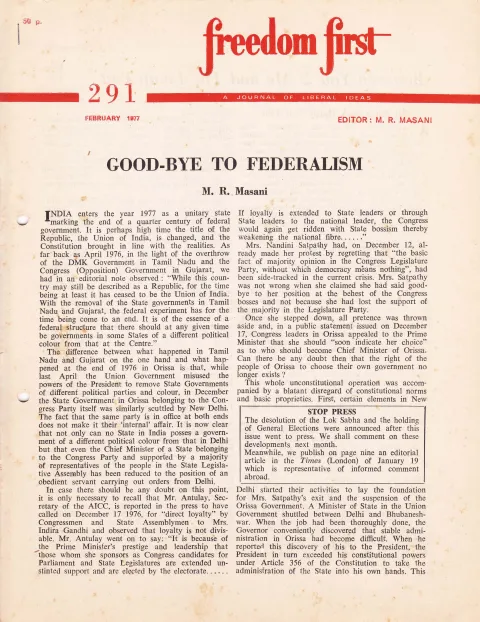
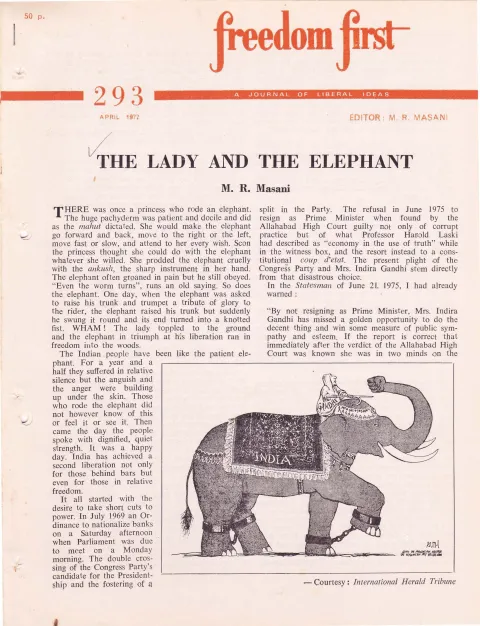
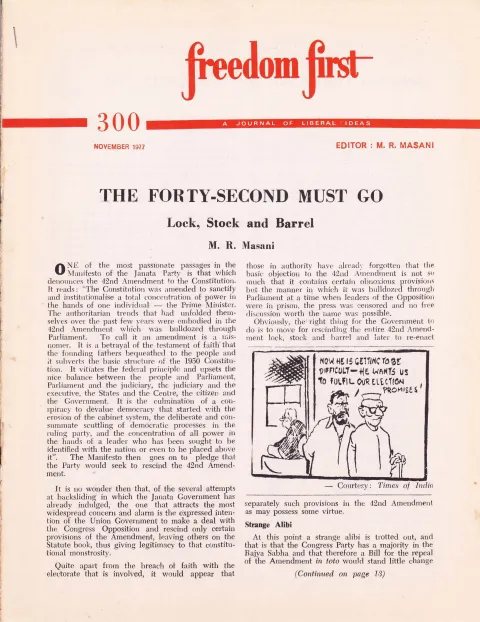
- "Masani's constant railing against the Indian democracy's authoritarian turn under Indira Gandhi" · characterisation of Masani's ongoing editorial opposition to Indira Gandhi's Emergency regime
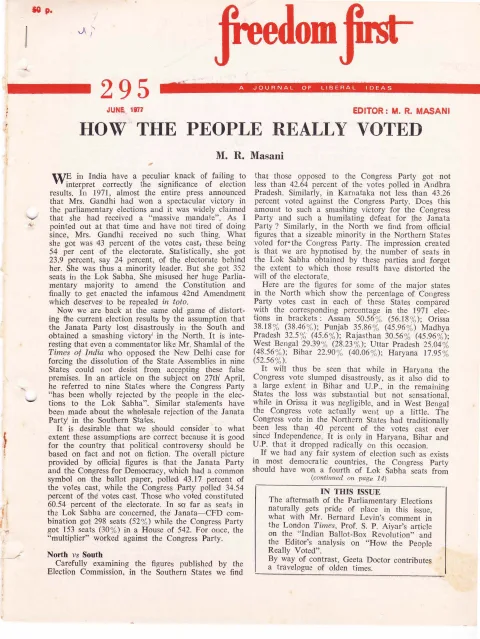
- "Masani described it as not so much a victory for the Janata Party but a rejection of the dictatorship" · Masani's framing of the 1977 election result as a repudiation of Indira Gandhi's authoritarian rule
- Justice H.R. Khanna and the Art of Speaking Truth to Power
- "once Former Prime Minister Mrs. Indira Gandhi lost the election of 1977, the newly victorious Janata Party offered him the position of the Head of the Commission of Inquiry against the illegal imposition of the Emergency" · Indira Gandhi's Emergency as the context for the Janata Party's offer, which Khanna declined to preserve his impartiality
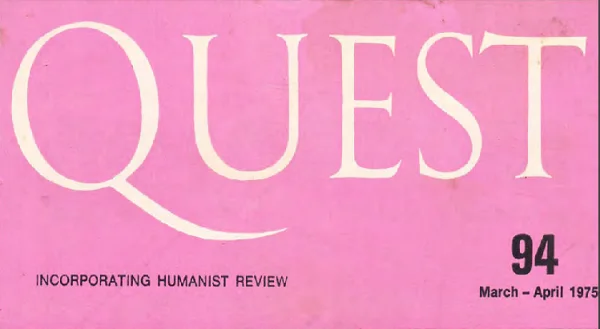
- Indian Liberals, Quest Magazine and India's First Dictatorship
- "India under the Emergency (1975-77) imposed by Indira Gandhi saw the suspension of fundamental rights, electoral democracy, and press freedom." · establishes the authoritarian context driving the article's analysis
- The Aborted Promise of Economic Liberalisation in Mid-1960s
- "his successor PM Indira Gandhi initially followed a similar policy agenda." · shows continuity of economic liberalisation briefly under Indira Gandhi
- "Indira Gandhi decidedly shifted her economic policy away from liberalisation and also shunted out the pro-market technocrats." · marks the reversal that ended the aborted liberalisation
Excerpts (10)
- A Rule of Law Society!
- "Indira Gandhi could nationalise private banks, she could nationalise the coal mines, Air India… what have you. The law allowed it." · Indira Gandhi's nationalisations are used as the prime example of 'legal plunder' made possible by constitutional absence of property rights
- A Viable Agriculture Policy for Sustained Growth
- "the then Prime Minister lndira Gandhi said, "We did some funny things, didn't we?"" · Gandhi's self-critical remark is invoked to support the argument for a fundamental shift in agricultural policy
- ART VERSUS LAW AND ORDER
- "resulting into the assassination of Prime Minister Indira Gandhi and killing of thousands of people of all faiths." · Indira Gandhi's assassination is cited as the tragic consequence of the state's manipulation of religious identity for political advantage
- Censorship and the Law of Inexorability
- "Directed by Gulzar, Aandhi (1975) was said to be based on triangle of Indira Gandhi-Nehru-Feroze Gandhi relationships. Its release faced problems, even though it showed Indira Gandhi in a favorable light." · The Indira Gandhi-'Aandhi' episode demonstrates that even flattering artistic treatments of political figures can be suppressed for political reasons
- India: Seeing the Future in its Past
- "Under Mrs Gandhi and then Rajiv, pro-business reforms were set in motion, with liberalized access for domestic firms to capital imports" · Indira Gandhi's government is given credit for initiating the pre-liberalisation reform momentum
- National Priorities for 1970
- "the original mandate that Mrs Gandhi had got from the people in 1967 has expired as a result of the breaking up of the Party and her losing her majority" · the constitutional case against Indira Gandhi's continuance opens Masani's address
- "What can be more dangerous to the stability and security of the country than a minority government, particularly when it depends for its survival on Communist support?" · Masani frames her government as a security risk because of its Communist dependency
- Sharad Joshi on Liberalism in India
- "It started off well but was swept out in the Indira wave after her Bangladesh triumph in 1971." · Joshi records the Swatantra Party's electoral defeat to Indira Gandhi as the end of the first organised liberal political venture
- "our people believe in fighting over tyrants if an Indira Gandhi comes along." · Joshi argues that popular resistance to authoritarianism is an enduring feature of Indian political culture
- Sharad Joshi on The Tragedy of Being a Farmer in India
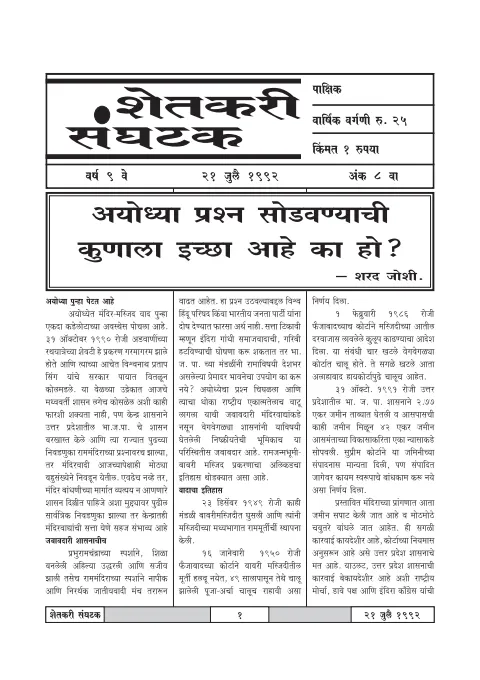
- "after those five years were over and after Indira Gandhi became the Prime Minister, the Chairmanship of the Agricultural Prices Commission was given to one of the Leftists, who are by their dogma, against the farmers" · Joshi attributes the institutionalised anti-farmer policy to decisions made during Indira Gandhi's tenure


Show all 10
- Sikkim – Through Other Eyes
- "The most influential and eloquent proponents of this variant of Indian exceptionalism included Pandit Nehru, VK Krishna Menon, Indira Gandhi, KM Panikkar." · listed among the architects of India's non-alignment posture
- The Essence of Democracy
- "Prime Minister Indira Gandhi was able, with the bogus majority in Parliament that she enjoyed, even to amend the Constitution and truncate the Prerogatives of President and the Fundamental Rights of the citizen." · Indira Gandhi presented as the prime example of democratic abuse and constitutional manipulation