classical liberal
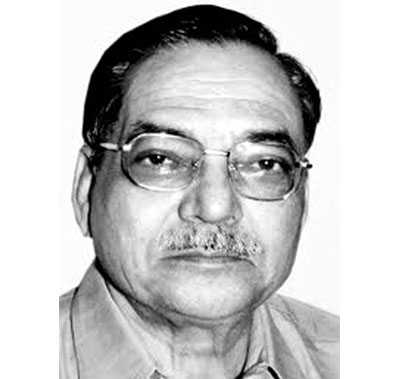
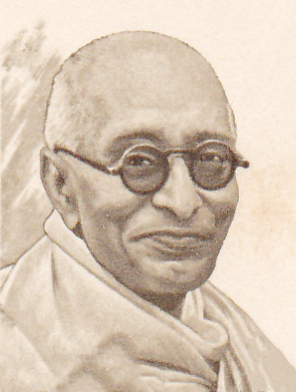
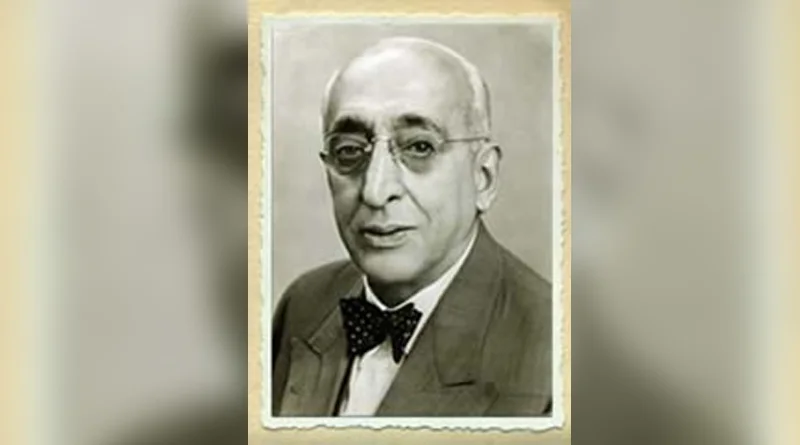
C. Rajagopalachari
Chakravarti Rajagopalachari
1878–1972
Also known as: Rajaji, C.R., सी. राजगोपालाचारी, राजाजी
How C. Rajagopalachari is discussed in this archive
Authored 225 works in the archive.
Subject of 2 profile pieces , including C. Rajagopalachari's Thoughts on Culture , and Rajaji's Views on Nuclear Bomb .
Referenced in 26 other works , including India's Nuclear Ambitions: Minoo Masani as a Liberal Peacenik , D R Pendse on the Indian Liberal Tradition , and FREE MARKET ECONOMY —Key to Economic Progress and Freedoms .
In The Case for Liberalism in Indian History : Rajaji (C.
In D R Pendse on the Indian Liberal Tradition : Pendse names Rajaji as one of four anchor figures of the Indian liberal tradition, alongside Palkhivala, Masani, and M.
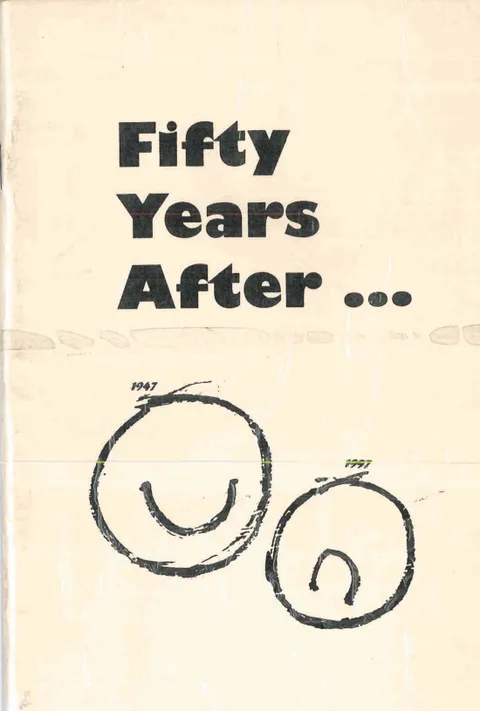
In Fifty Years After ... : Rajaji is cited by B.
In FREE MARKET ECONOMY —Key to Economic Progress and Freedoms : Palkhivala credits Rajaji with having coined the phrase 'permit-licence-quota raj' that the introduction redeploys to indict the Indian regulatory state — positioning Rajaji as the linguistic-political ancestor of the booklet's anti-control argument.
In FREE MARKET ECONOMY —Key to Economic Progress and Freedoms : Rajaji's coinage 'permit-licence-quota raj' is invoked twice — by Palkhivala in his introduction and again in the summary's key points — as the rhetorical centrepiece for the booklet's attack on India's interventionist economy.
By C. Rajagopalachari (225)
Showing 225 of 225
-
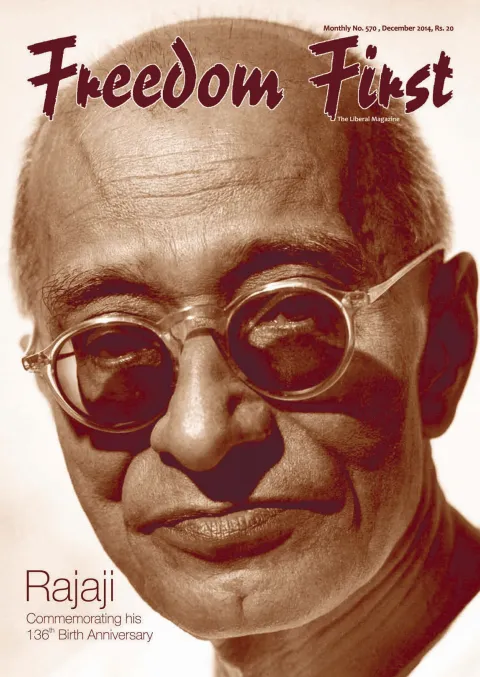
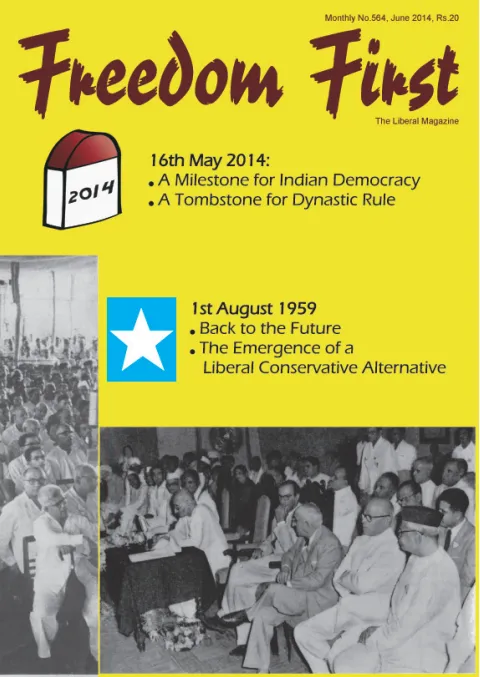
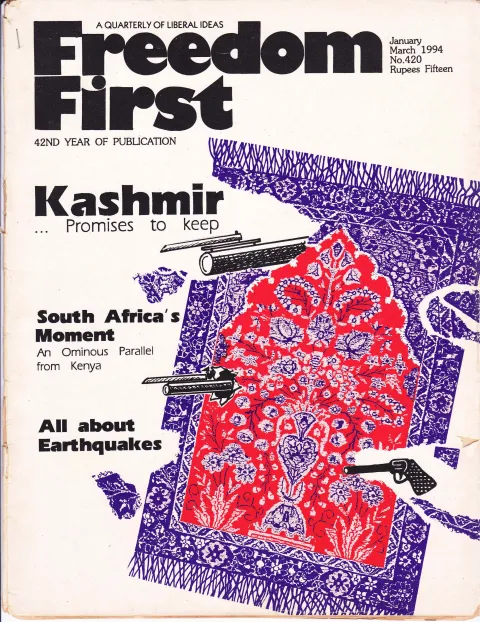
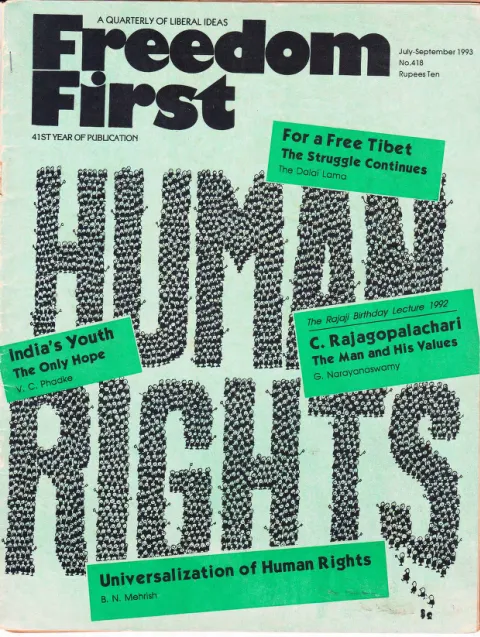
Freedom First
2014 · periodical issue
-
Freedom First
2006 · periodical issue
-
Freedom First
2002 · periodical issue
-
Freedom First
1989 · periodical issue
-
Freedom First
1989 · periodical issue
-
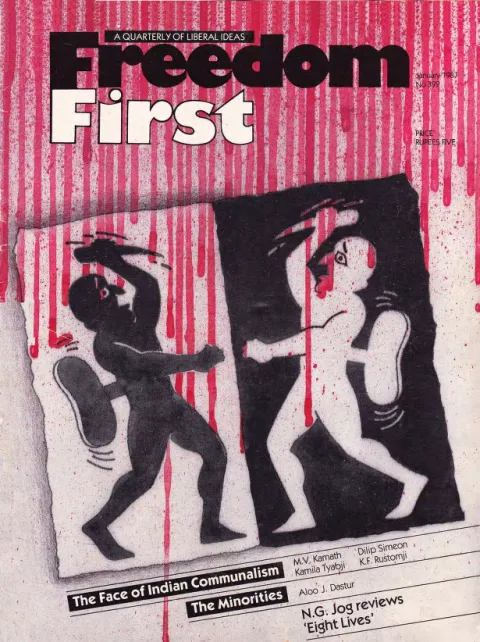
Freedom First
1987 · periodical issue
-
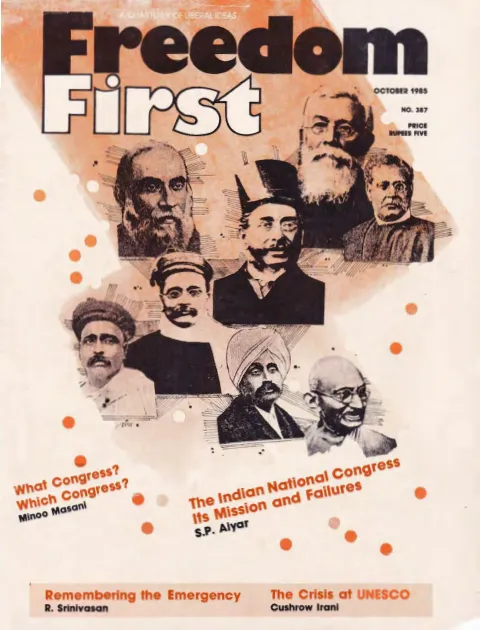
Freedom First
1985 · periodical issue
-
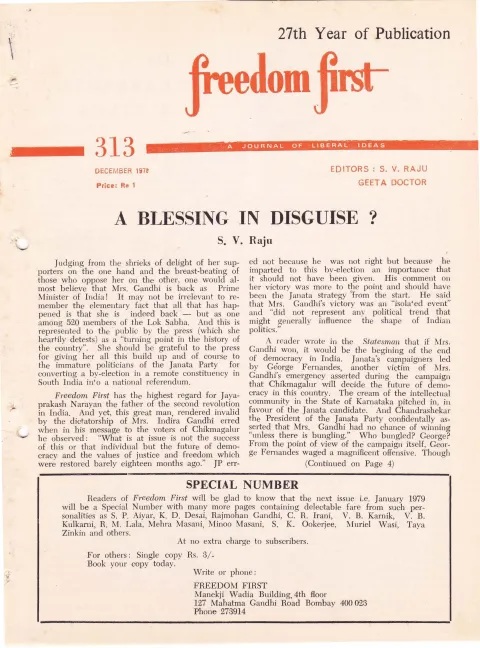
Freedom First
1978 · periodical issue
-
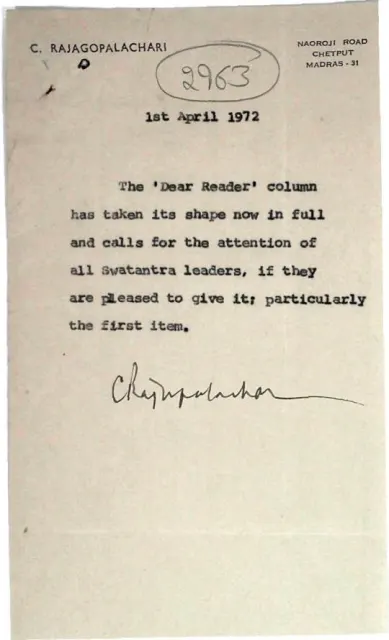
Letter from C Rajagopalachari
1972 · letter
-
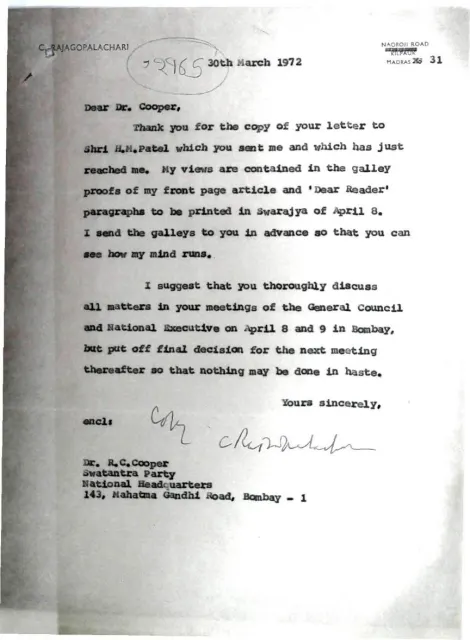
Letter to R C Cooper
1972 · letter
-
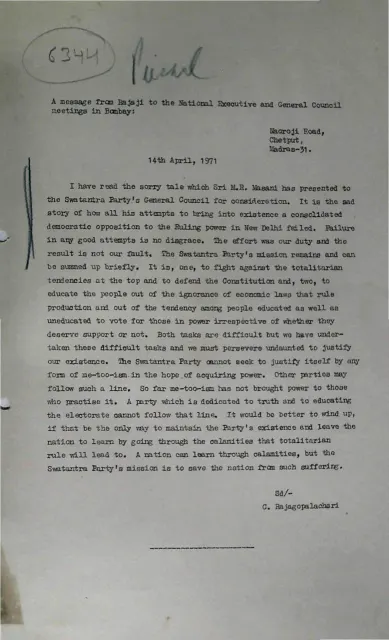
A Message From Rajaji To The National Executive Meeting
1971 · letter
-
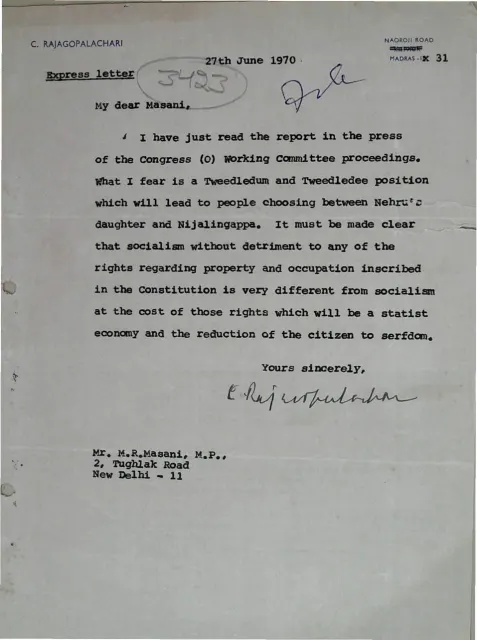
Express letter
1970 · letter
-
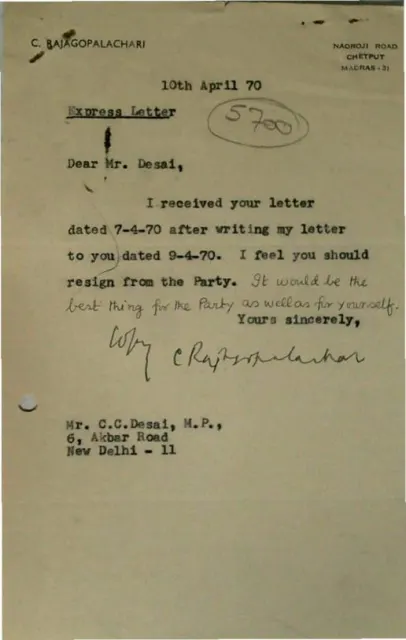
Express Letter
1970 · letter
-
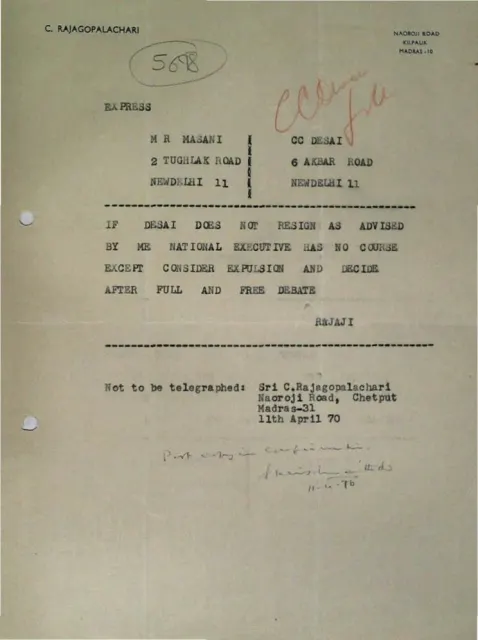
Letter from C Rajagopalachari
1970 · letter
-
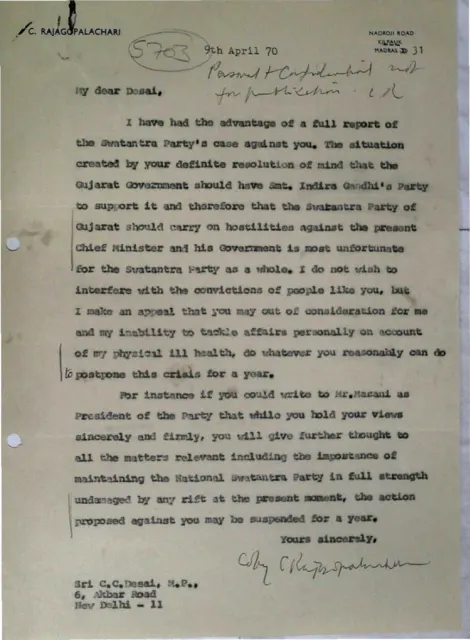
Letter to Mr C C Desai
1970 · letter
-
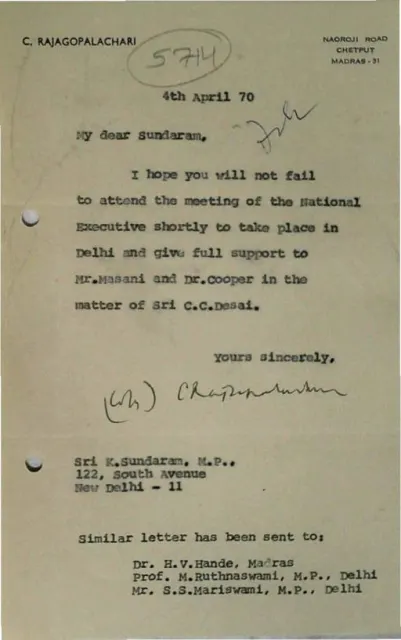
Letter to Mr K Sundaram
1970 · letter
-
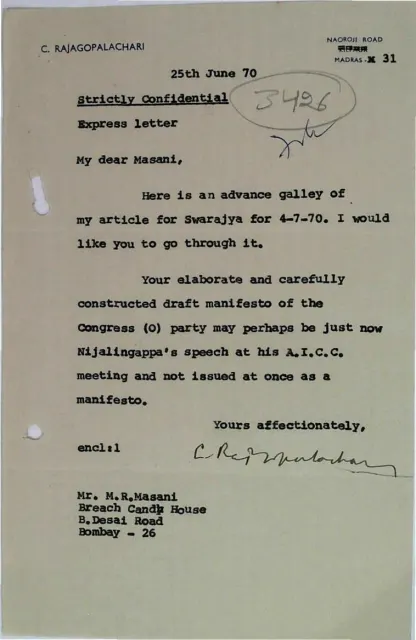
Letter to Mr Minoo Masani
1970 · letter
-
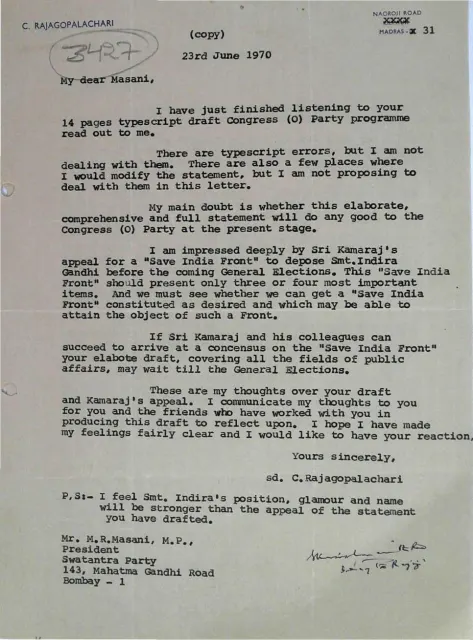
Letter to Mr Minoo Masani
1970 · letter
-
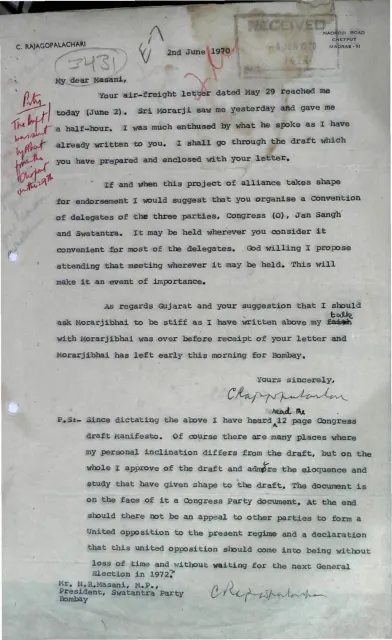
Letter to Mr Minoo Masani
1970 · letter
-
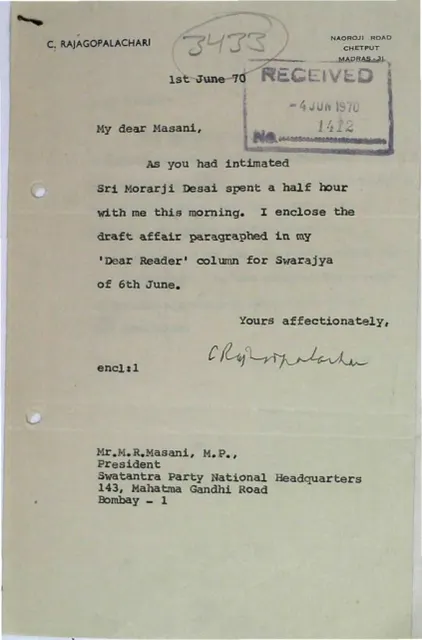
Letter to Mr Minoo Masani
1970 · letter
-
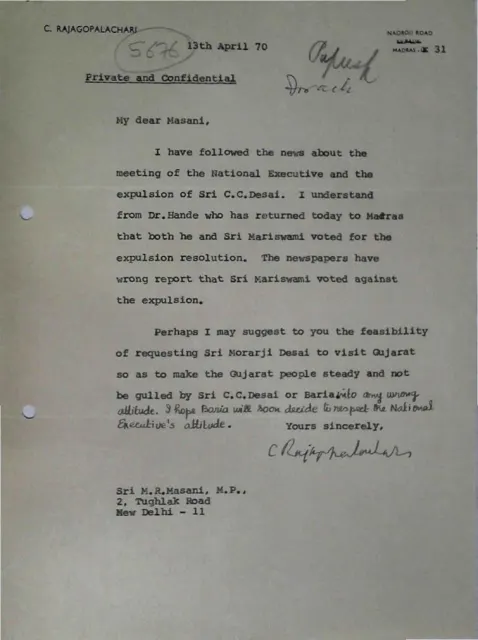
Letter to Mr Minoo Masani
1970 · letter
-
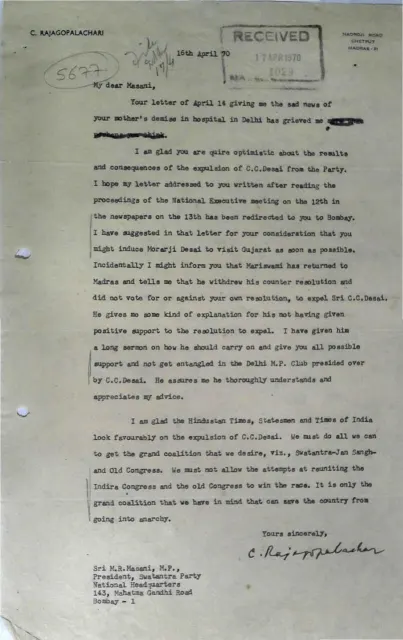
Letter to Mr Minoo Masani
1970 · letter
-
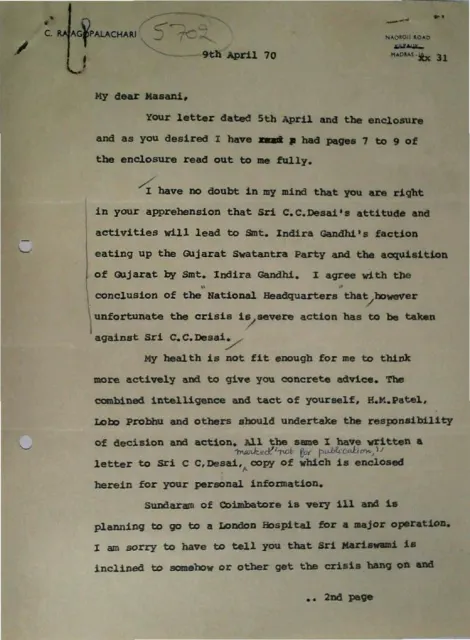
Letter to Mr Minoo Masani
1970 · letter
-
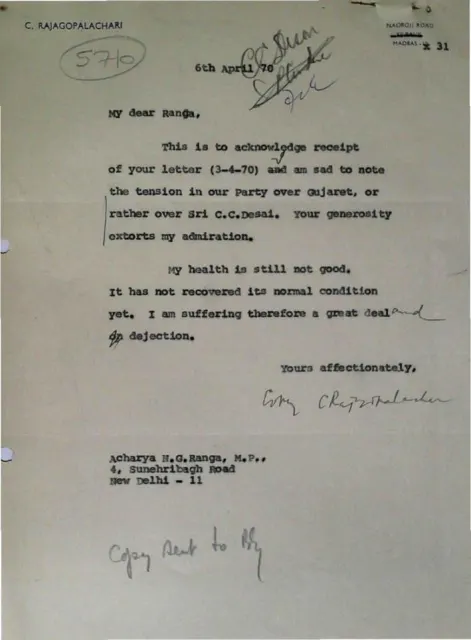
Letter to Mr N G Ranga
1970 · letter
-
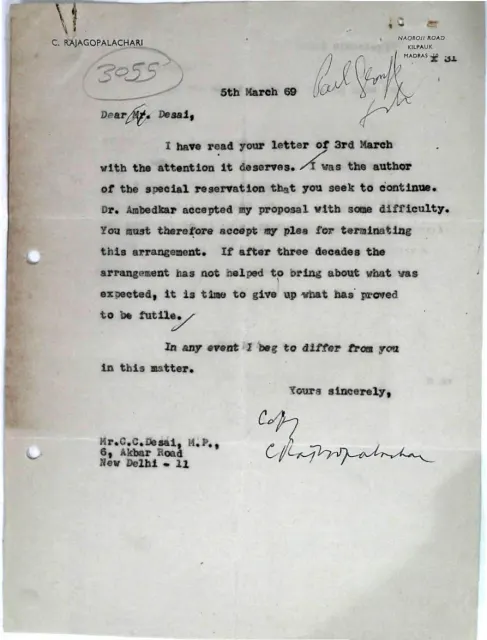
Letter from CC Desai
1969 · correspondence
-
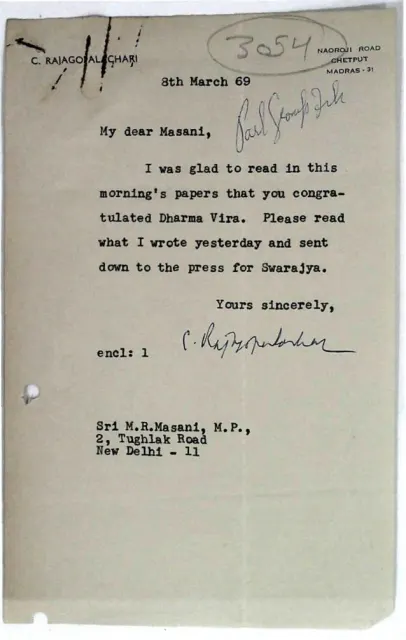
Letter to Mr Minoo Masani
1969 · letter
-
Complments of N Dandekar
1968 · correspondence
-
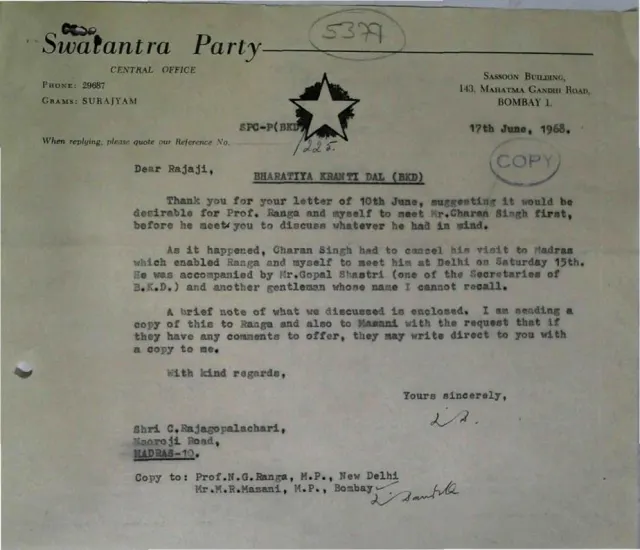
Letter to C Rajagopalachari
1968 · letter
-
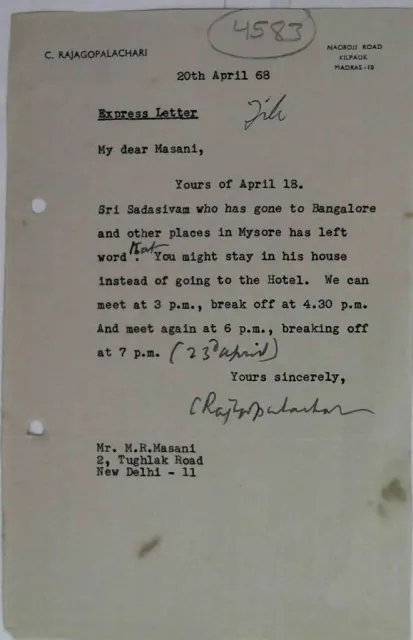
Letter to Mr Minoo Masani
1968 · letter
-
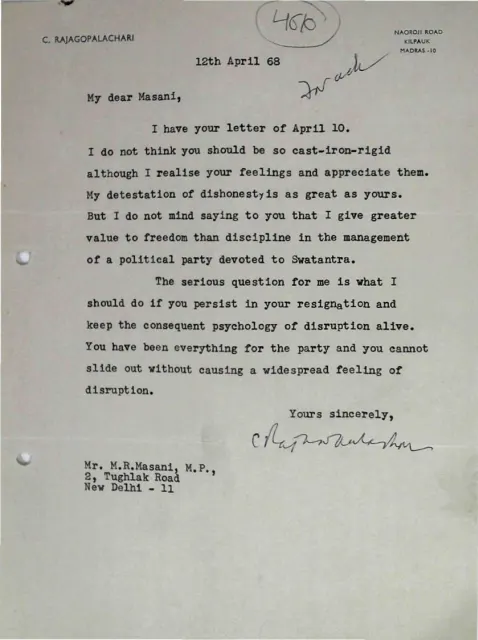
Letter to Mr Minoo Masani
1968 · letter
-
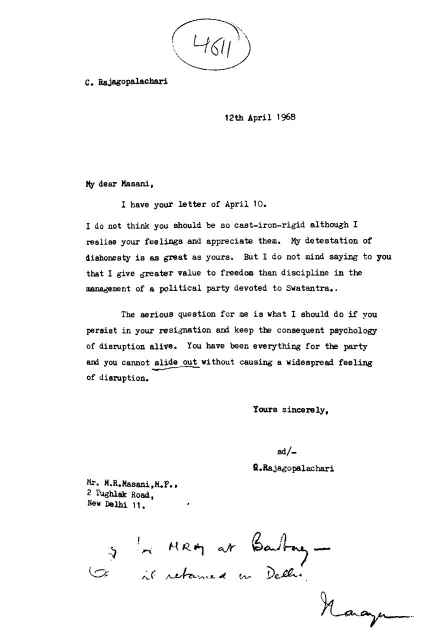
Letter to Mr Minoo Masani
1968 · letter
-
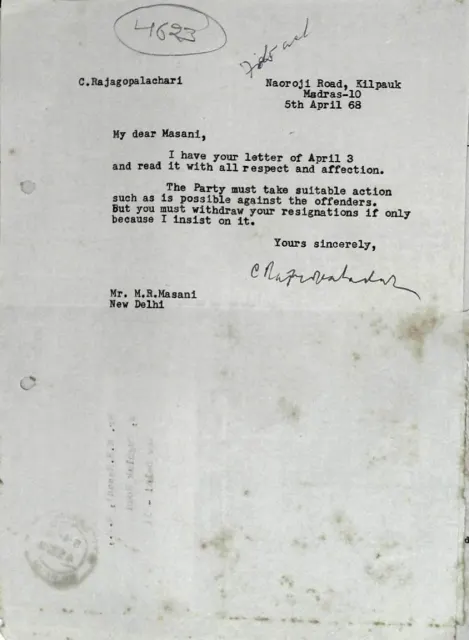
Letter to Mr Minoo Masani
1968 · letter
-
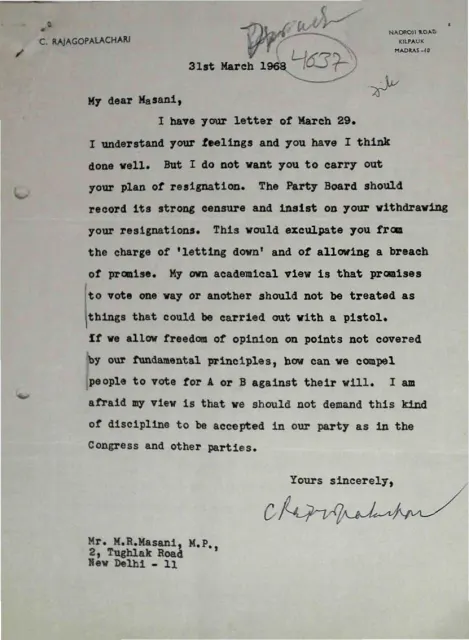
Letter to Mr Minoo Masani
1968 · correspondence
-
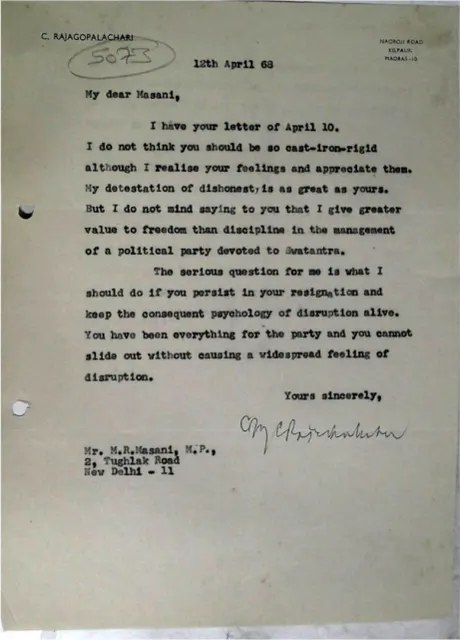
Letter to Mr Minoo Masani
1968 · letter
-
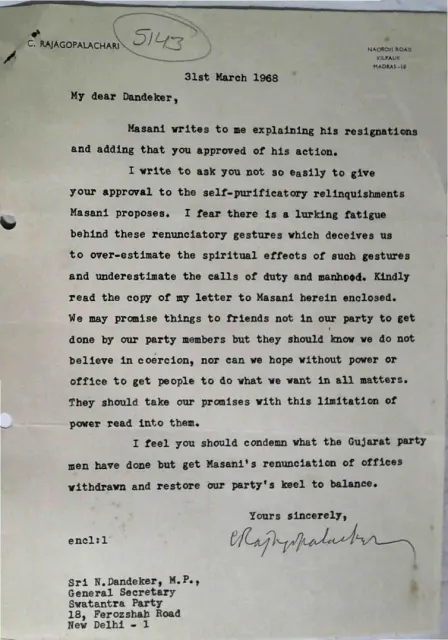
Letter to N Dandeker
1968 · letter
-
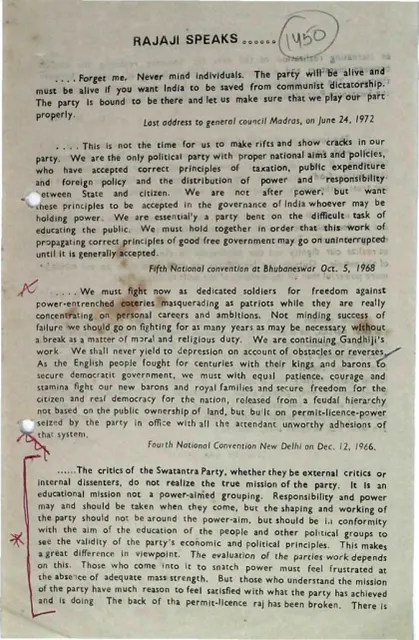
RAJAJI SPEAKS
1968 · pamphlet
-
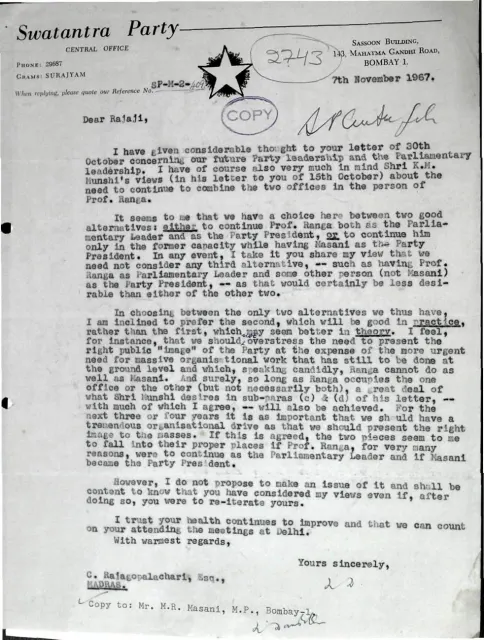
Letter to Mr C Rajagopalchari
1967 · letter
-
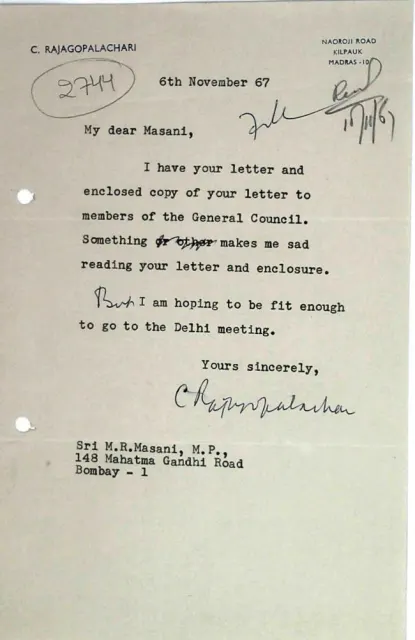
Letter to Mr Minoo Masani
1967 · letter
-
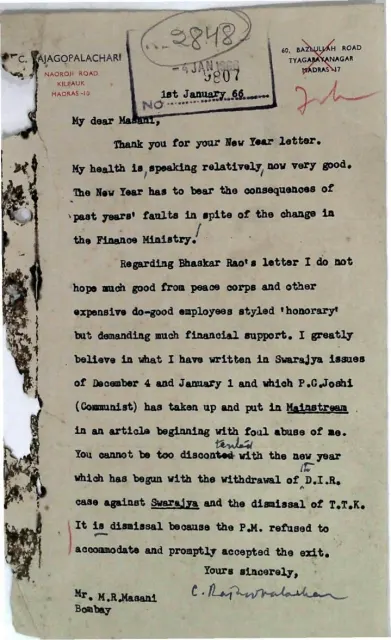
Letter to Mr Minoo Masani
1966 · letter
-
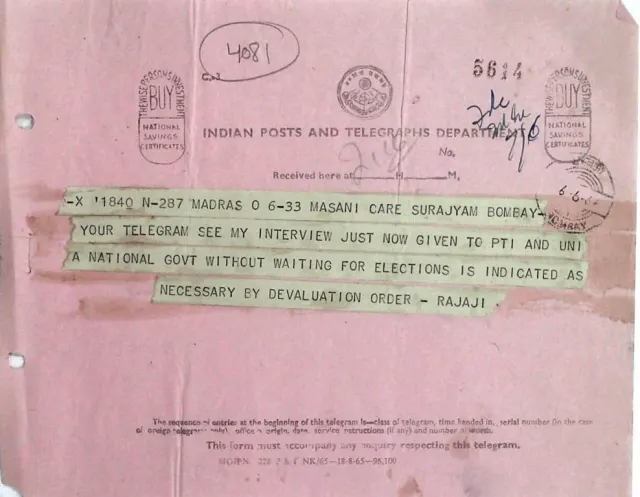
Telegram to Mr Minoo Masani
1966 · telegram
-
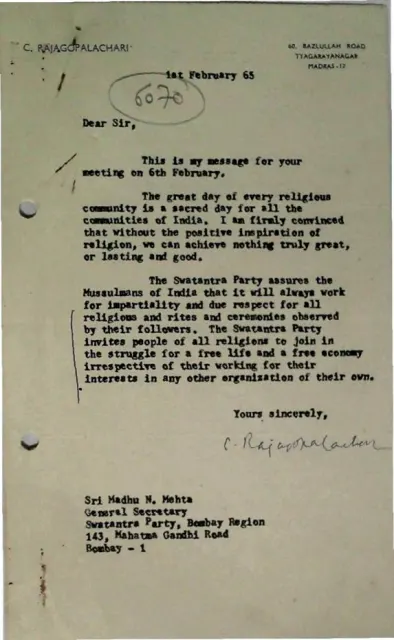
Letter to Madhu N Mehta
1965 · letter
-
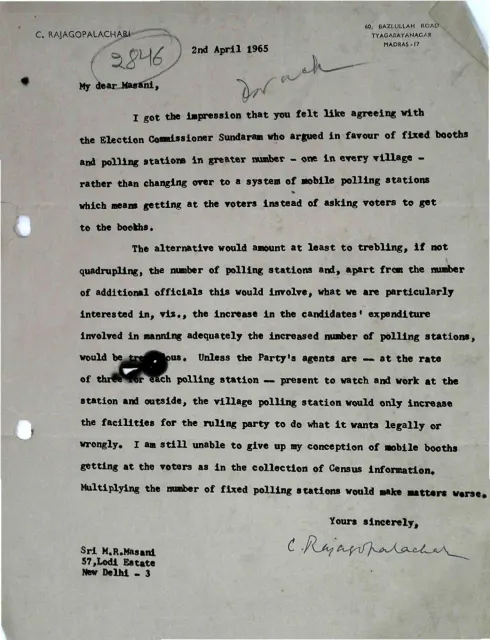
Letter to Mr Minoo Masani
1965 · letter
-
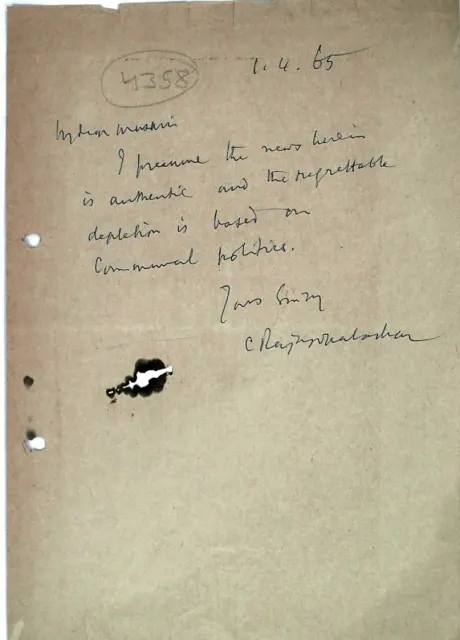
Letter to Mr Minoo Masani
1965 · letter
-
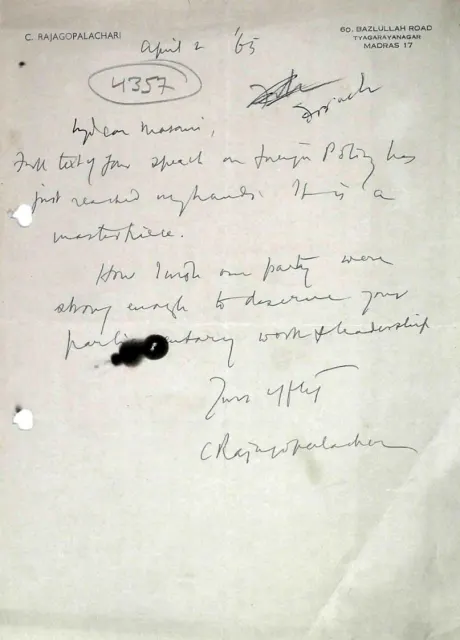
Letter to Mr Minoo Masani
1965 · letter
-
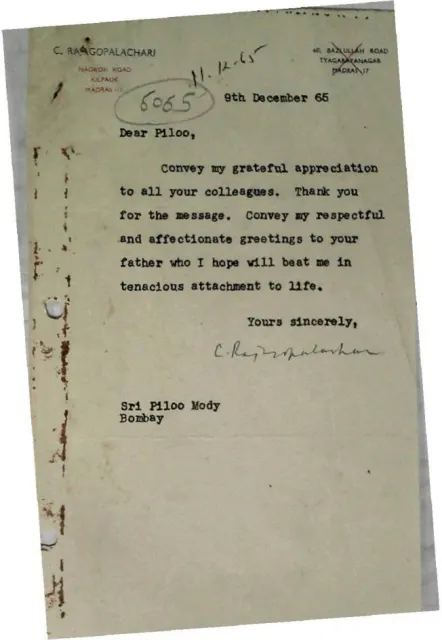
Letter to Piloo Mody
1965 · letter
-
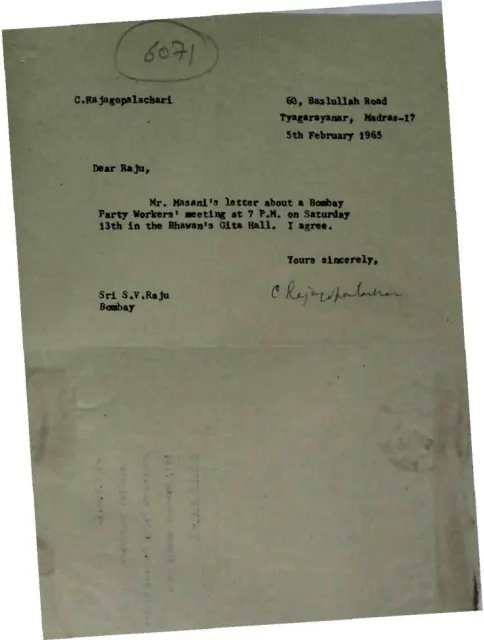
Letter to S V Raju
1965 · letter
-
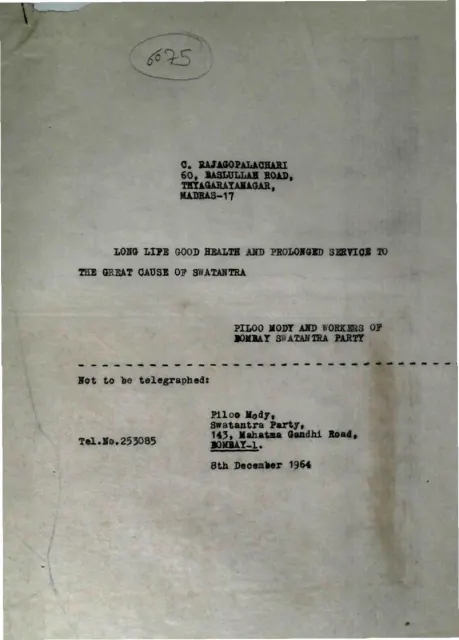
Letter from C Rajagopalachari
1964 · letter
-
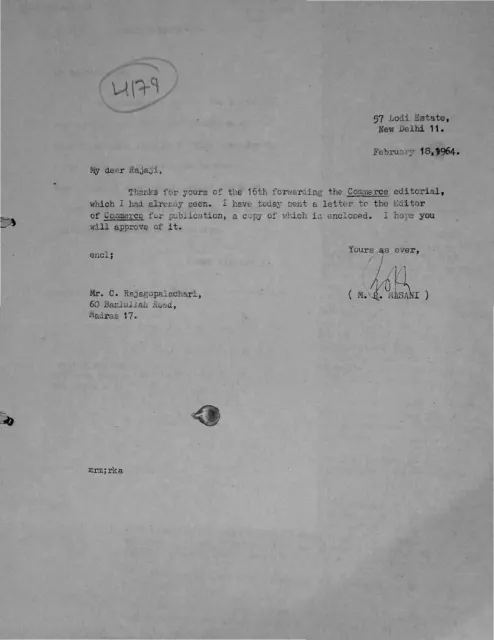
Letter from S V Raju
1964 · correspondence
-
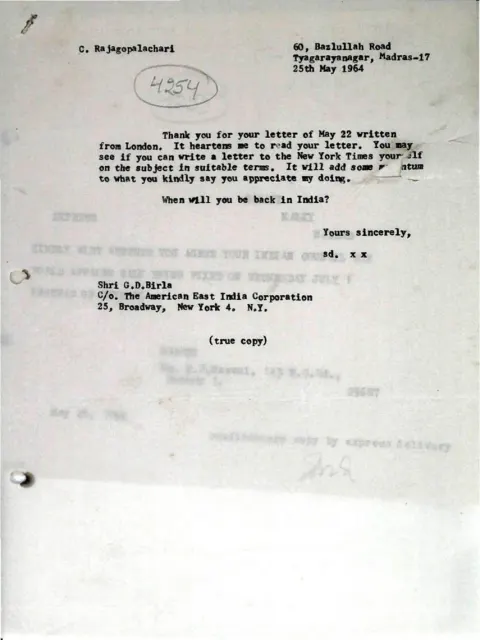
Letter to C Rajagopalachari
1964 · letter
-
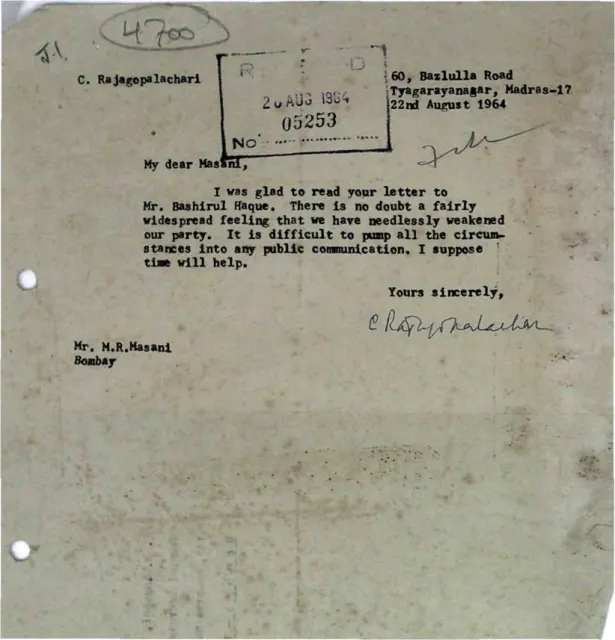
Letter to C Rajagopalachari
1964 · letter
-
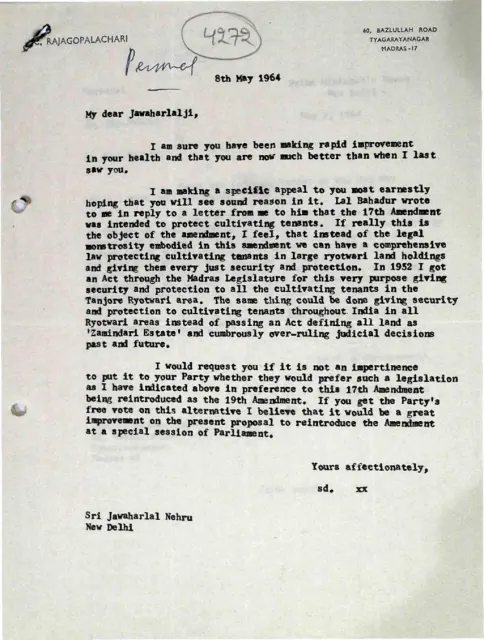
Letter to Jawaharlal Nehru
1964 · letter
-
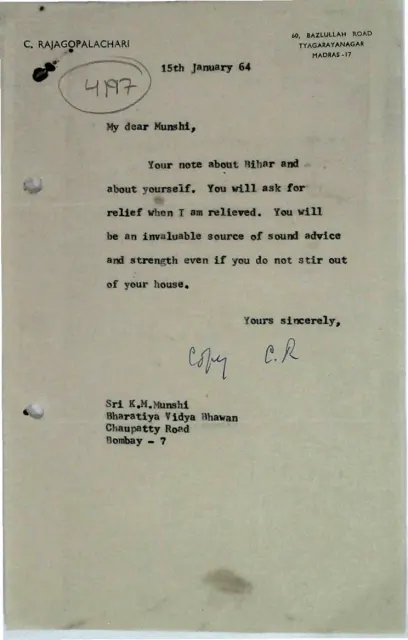
Letter to K M Munshi
1964 · letter
-
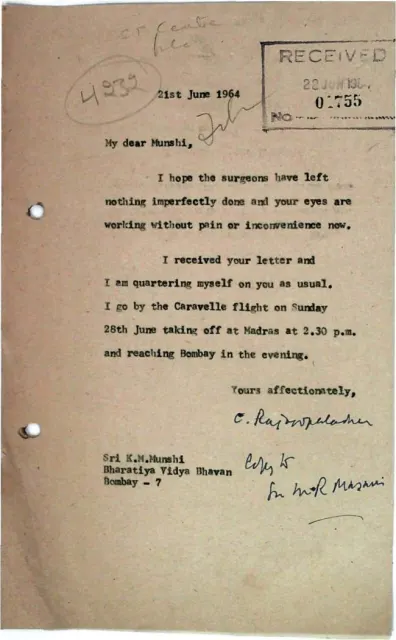
Letter to K M Munshi
1964 · letter
-
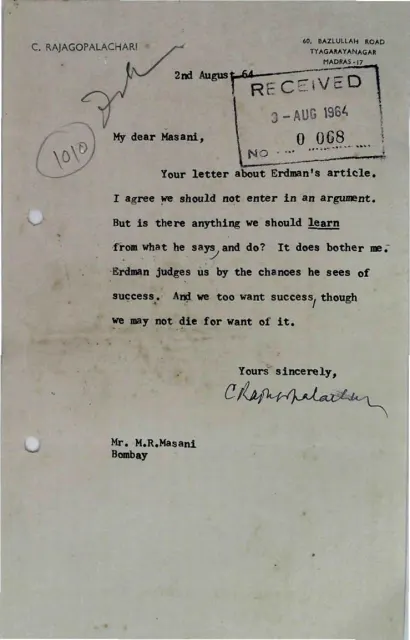
Letter to Mr Minoo Masani
1964 · letter
-
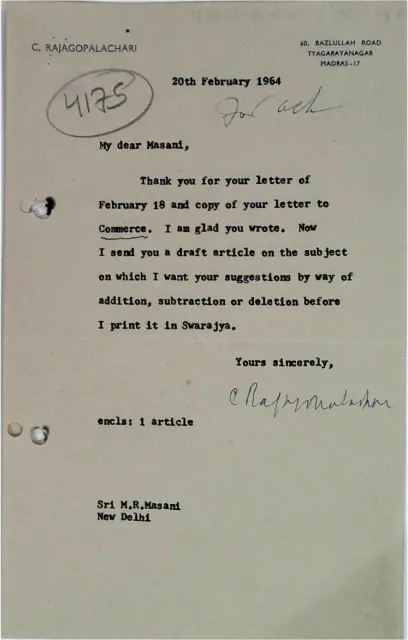
Letter to Mr Minoo Masani
1964 · letter
-
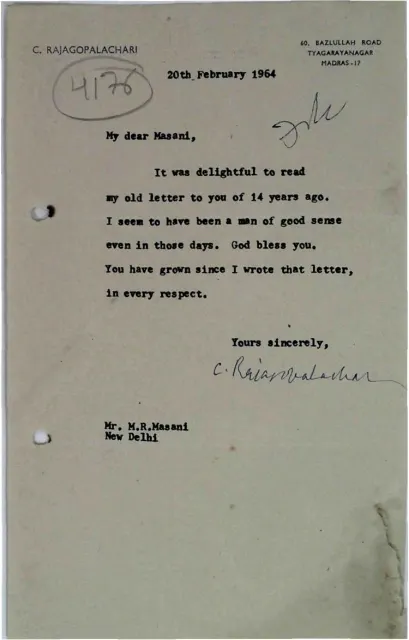
Letter to Mr Minoo Masani
1964 · letter
-
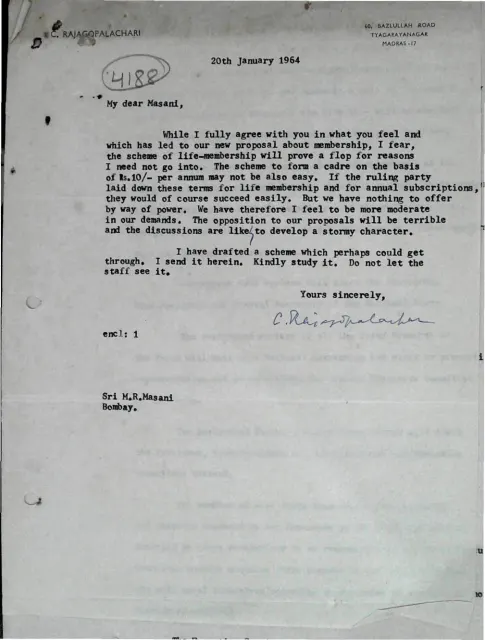
Letter to Mr Minoo Masani
1964 · letter
-
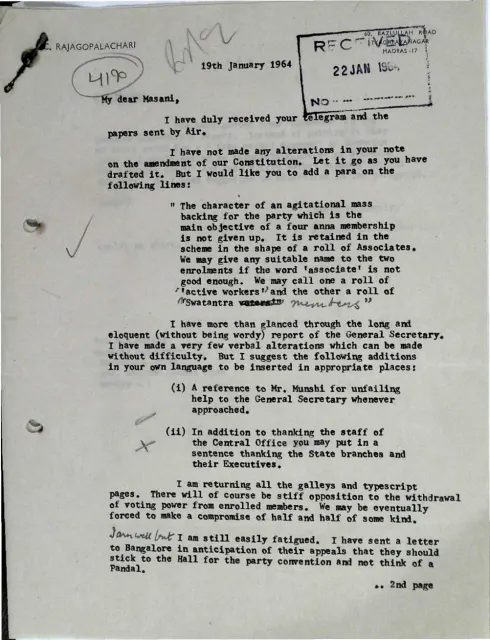
Letter to Mr Minoo Masani
1964 · letter
-
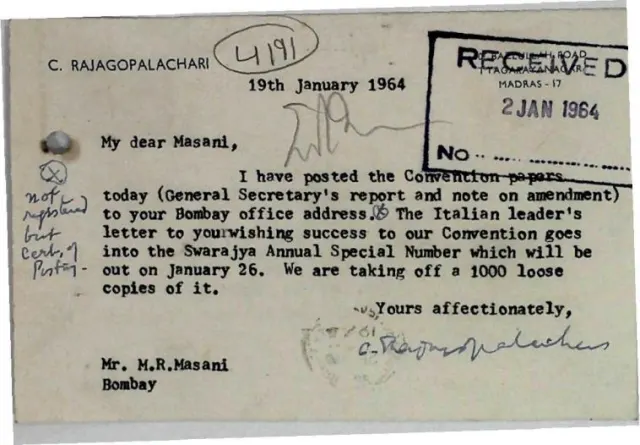
Letter to Mr Minoo Masani
1964 · letter
-
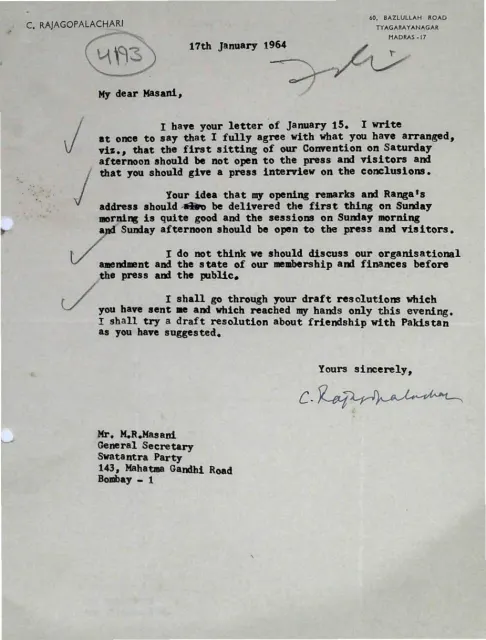
Letter to Mr Minoo Masani
1964 · letter
-
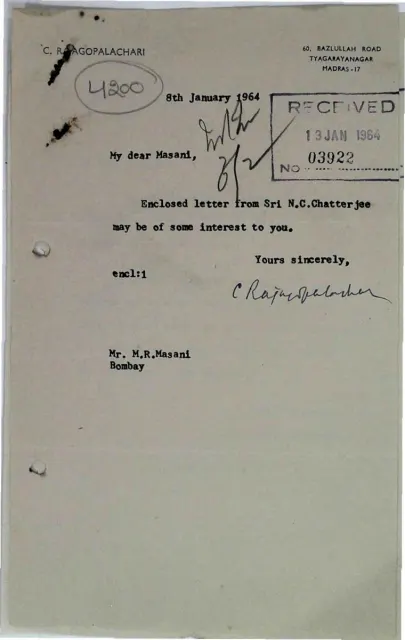
Letter to Mr Minoo Masani
1964 · letter
-
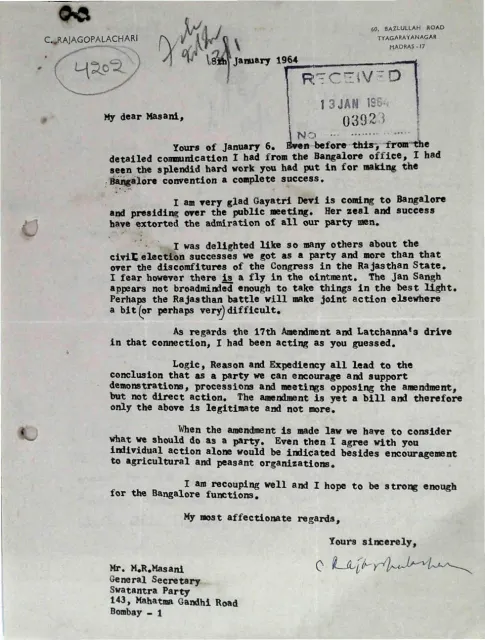
Letter to Mr Minoo Masani
1964 · letter
-
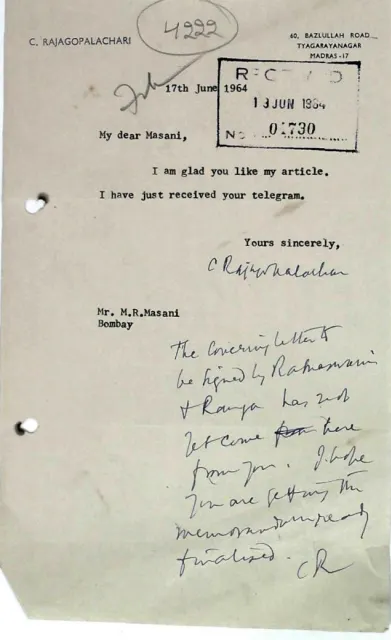
Letter to Mr Minoo Masani
1964 · letter
-
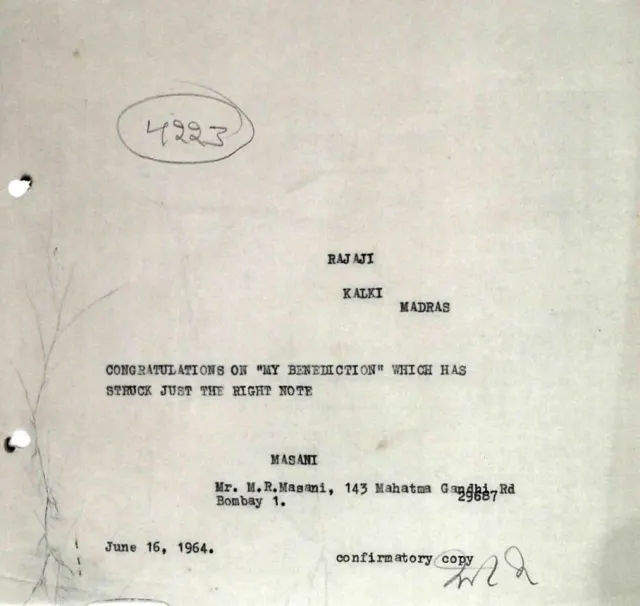
Letter to Mr Minoo Masani
1964 · letter
-
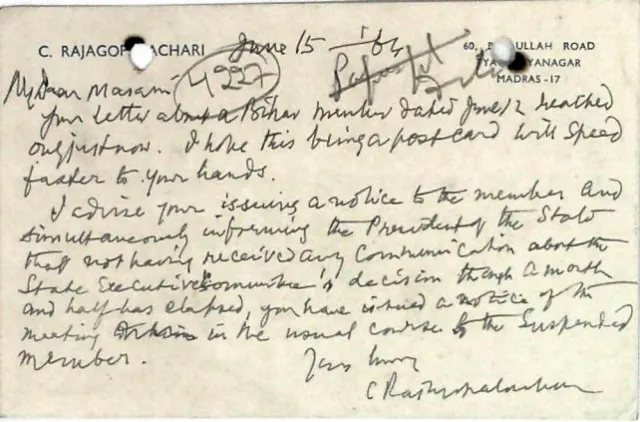
Letter to Mr Minoo Masani
1964 · letter
-
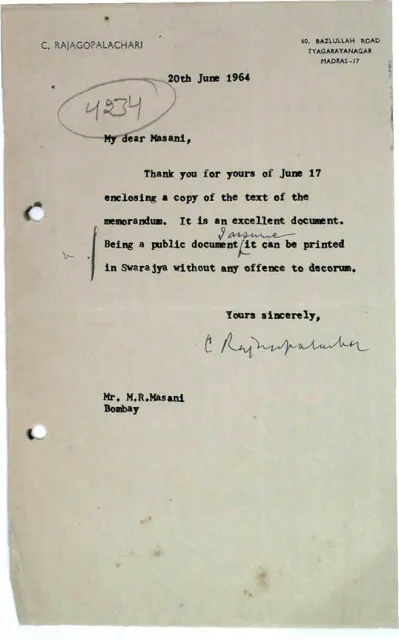
Letter to Mr Minoo Masani
1964 · letter
-
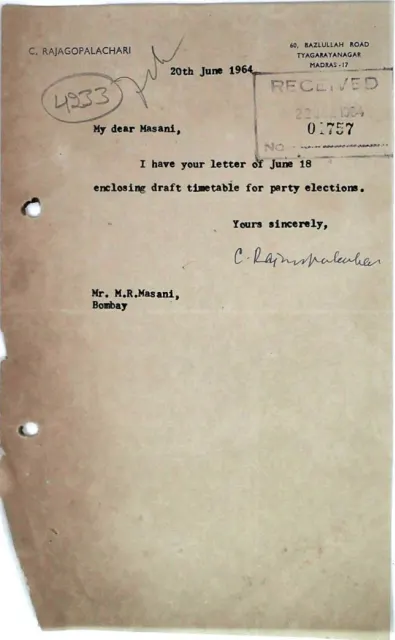
Letter to Mr Minoo Masani
1964 · letter
-
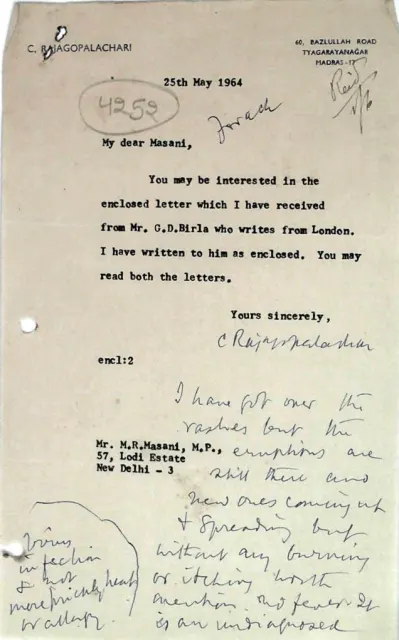
Letter to Mr Minoo Masani
1964 · letter
-
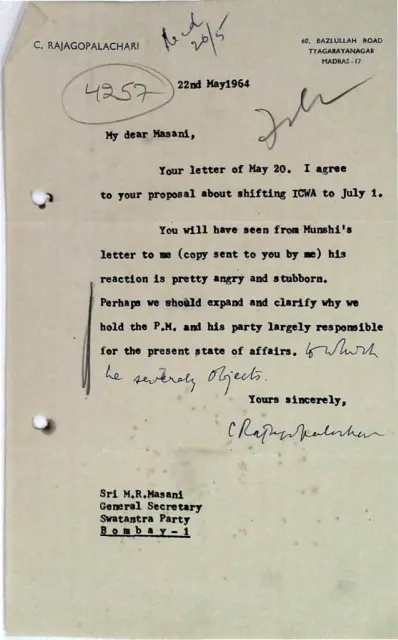
Letter to Mr Minoo Masani
1964 · letter
-
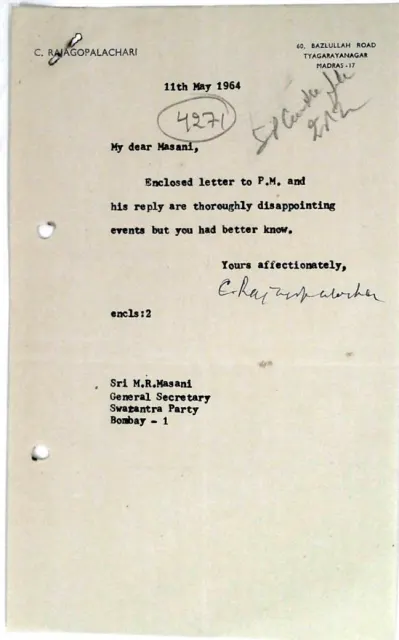
Letter to Mr Minoo Masani
1964 · letter
-
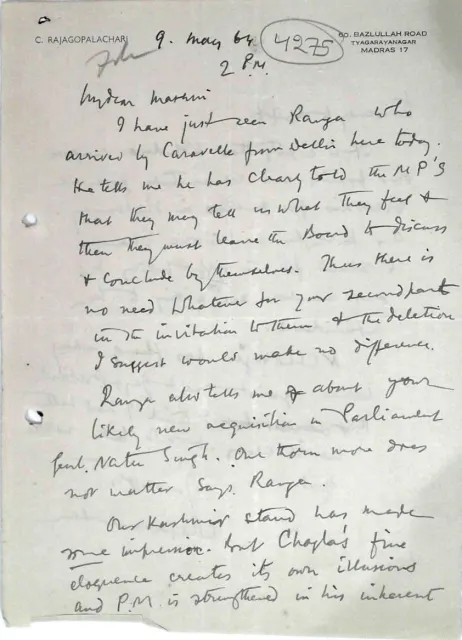
Letter to Mr Minoo Masani
1964 · letter
-
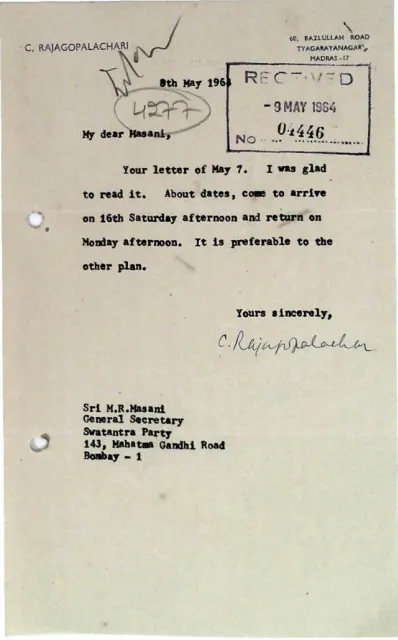
Letter to Mr Minoo Masani
1964 · letter
-
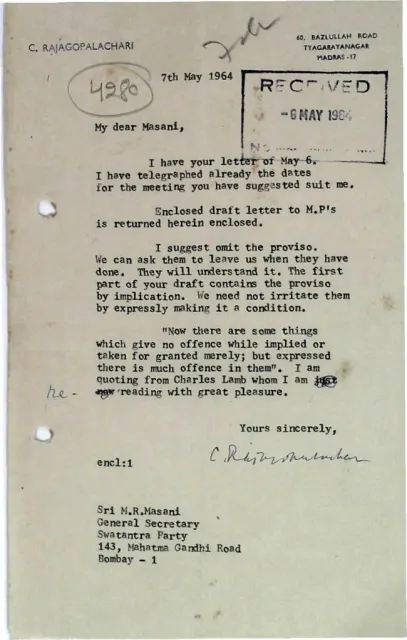
Letter to Mr Minoo Masani
1964 · letter
-
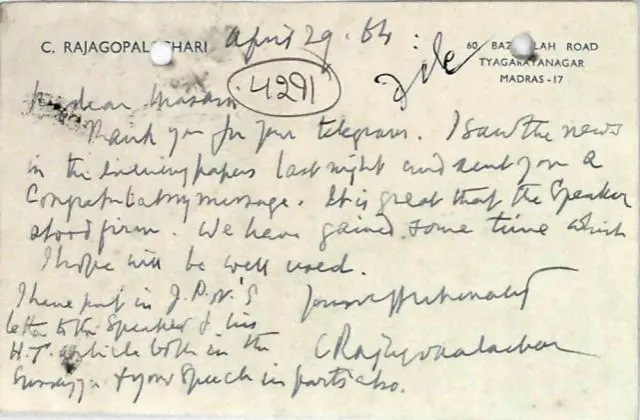
Letter to Mr Minoo Masani
1964 · letter
-
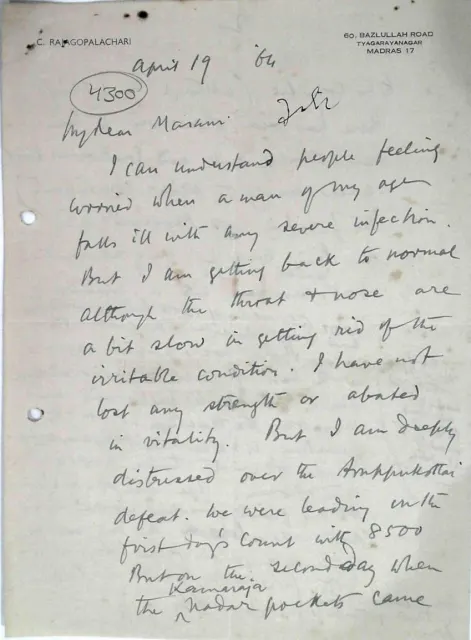
Letter to Mr Minoo Masani
1964 · letter
-
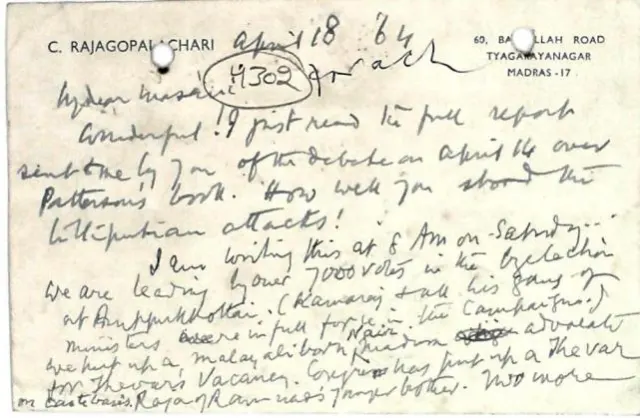
Letter to Mr Minoo Masani
1964 · letter
-
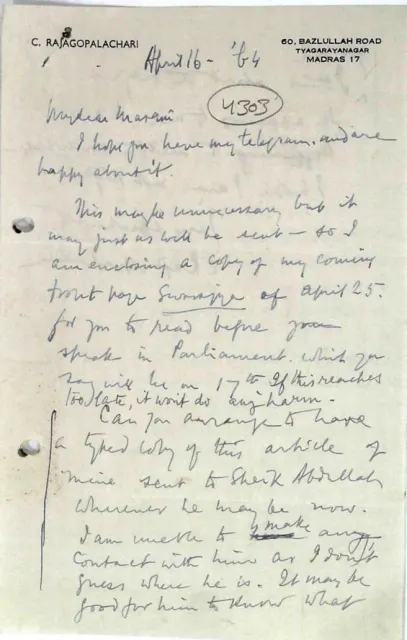
Letter to Mr Minoo Masani
1964 · letter
-
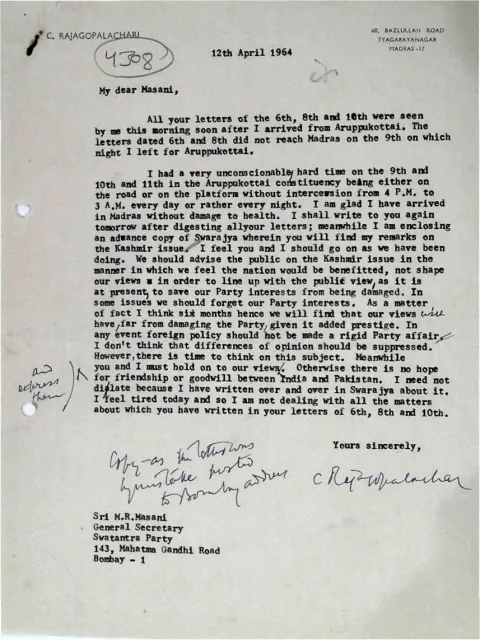
Letter to Mr Minoo Masani
1964 · letter
-
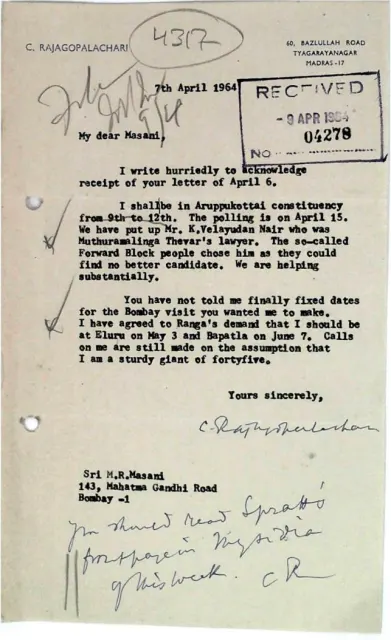
Letter to Mr Minoo Masani
1964 · letter
-
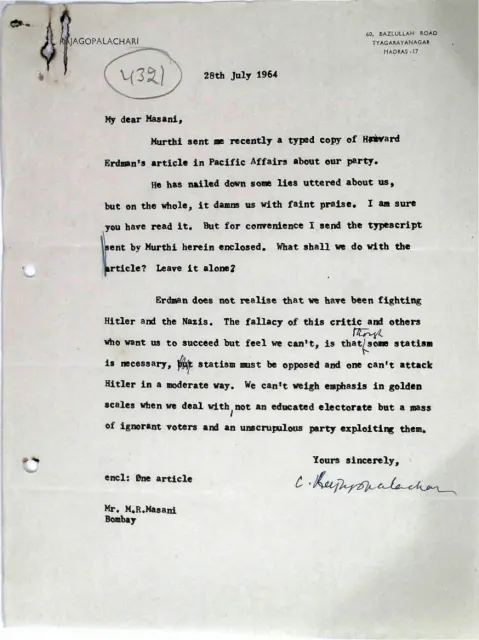
Letter to Mr Minoo Masani
1964 · letter
-
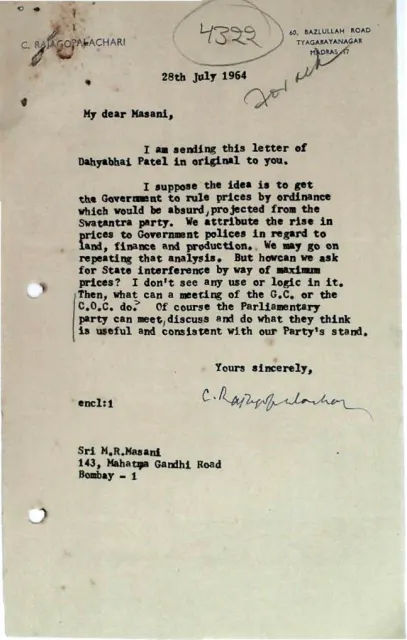
Letter to Mr Minoo Masani
1964 · letter
-
Letter to Mr Minoo Masani
1964 · letter
-

Letter to Mr Minoo Masani
1964 · correspondence
-
Letter to Mr Minoo Masani
1964 · letter
-
Letter to Mr Minoo Masani
1964 · letter
-
Letter to Mr Minoo Masani
1964 · letter
-
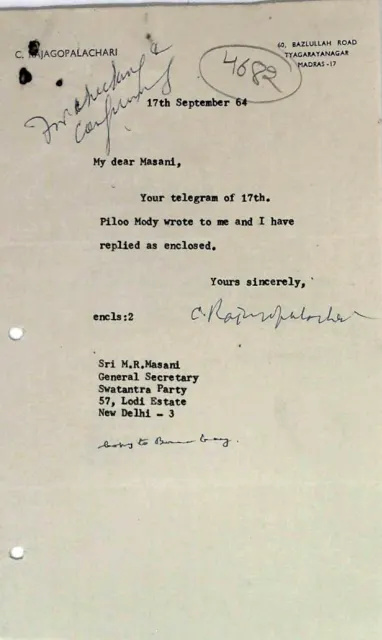
Letter to Mr Minoo Masani
1964 · letter
-
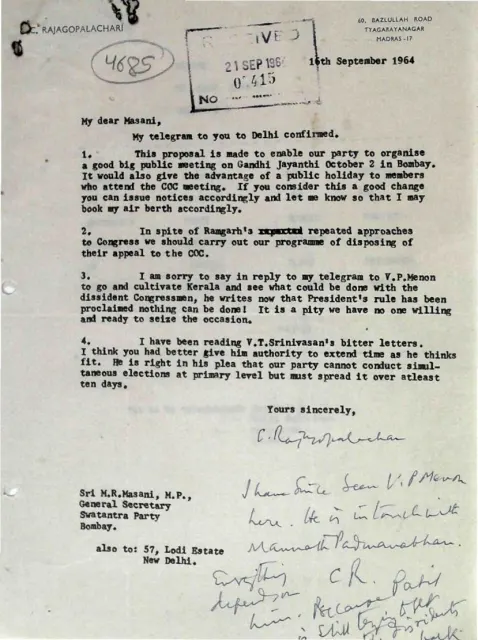
Letter to Mr Minoo Masani
1964 · letter
-
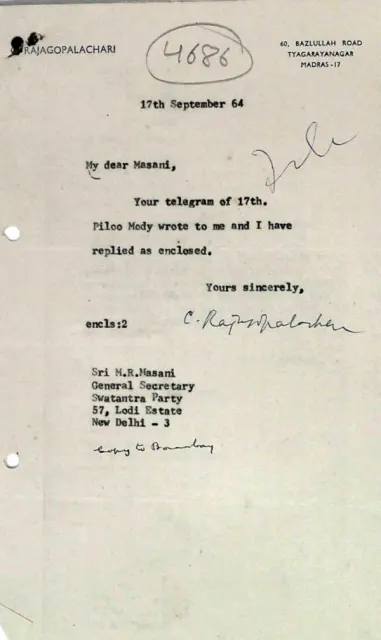
Letter to Mr Minoo Masani
1964 · letter
-
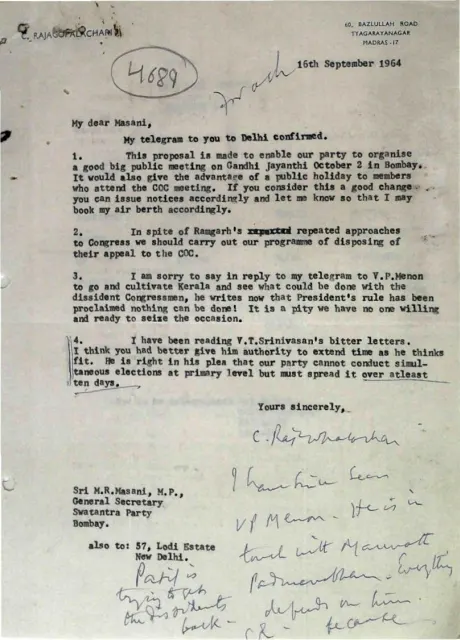
Letter to Mr Minoo Masani
1964 · correspondence
-
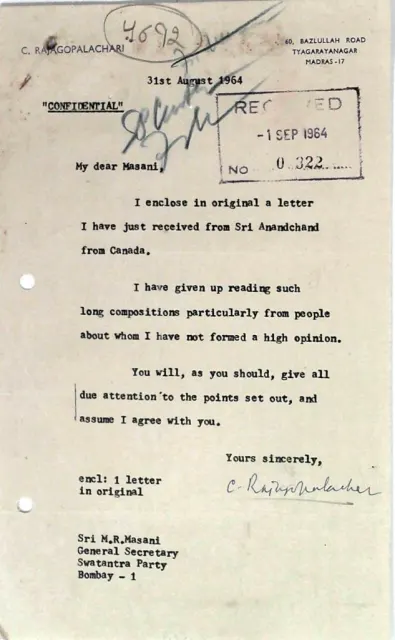
Letter to Mr Minoo Masani
1964 · letter
-
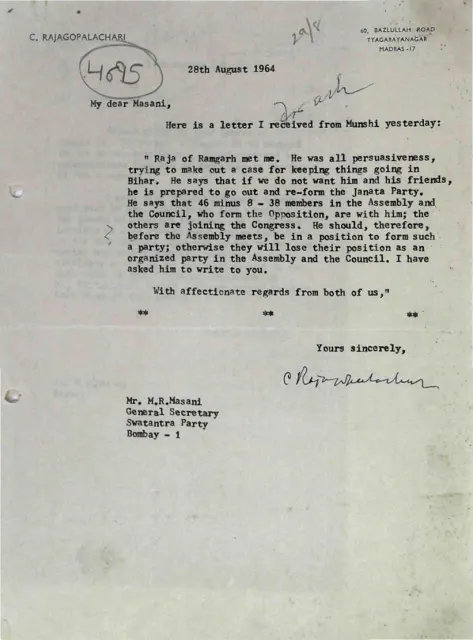
Letter to Mr Minoo Masani
1964 · letter
-
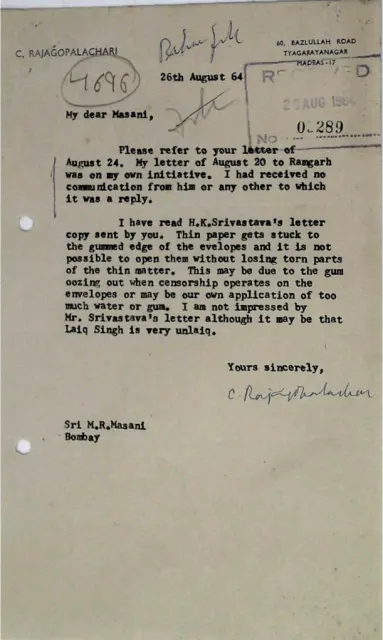
Letter to Mr Minoo Masani
1964 · letter
-
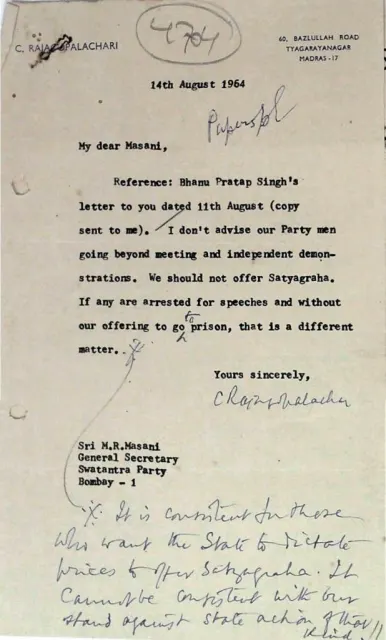
Letter to Mr Minoo Masani
1964 · letter
-
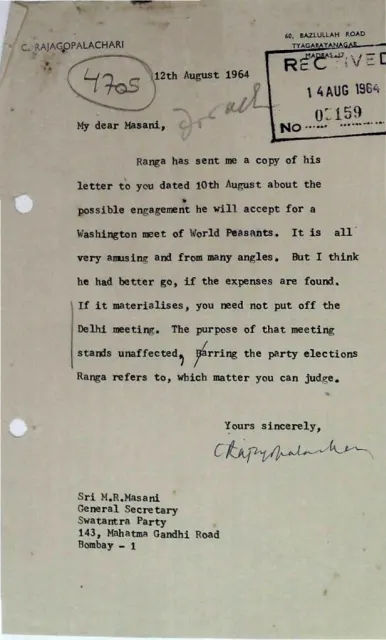
Letter to Mr Minoo Masani
1964 · letter
-
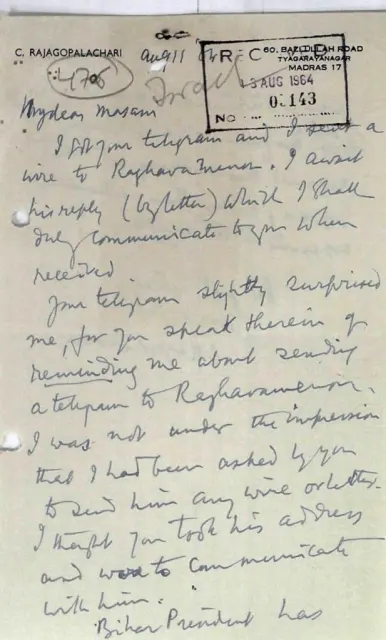
Letter to Mr Minoo Masani
1964 · letter
-
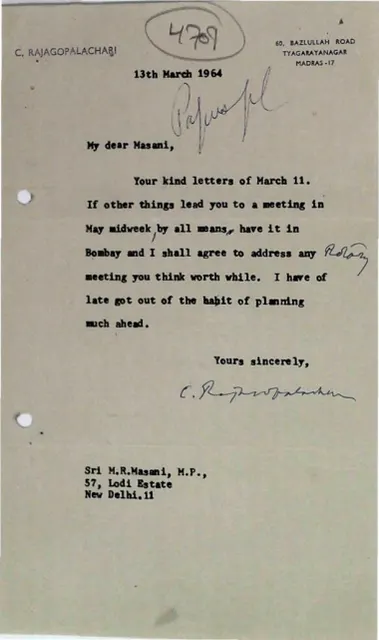
Letter to Mr Minoo Masani
1964 · letter
-
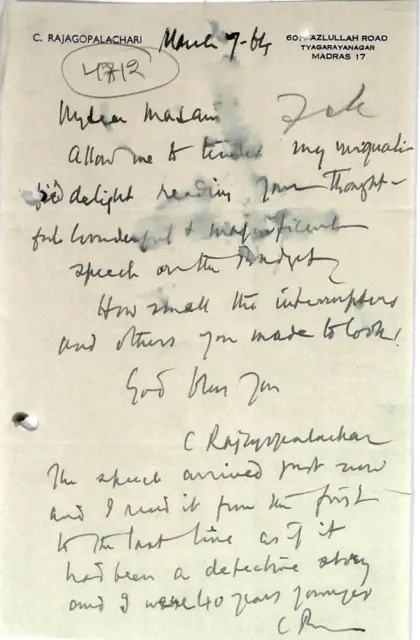
Letter to Mr Minoo Masani
1964 · letter
-
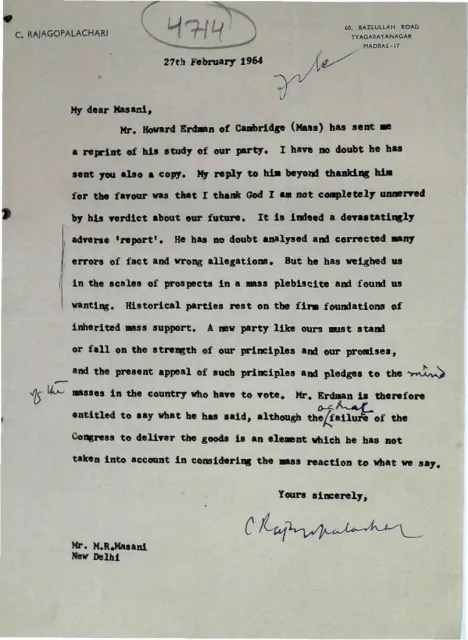
Letter to Mr Minoo Masani
1964 · letter
-
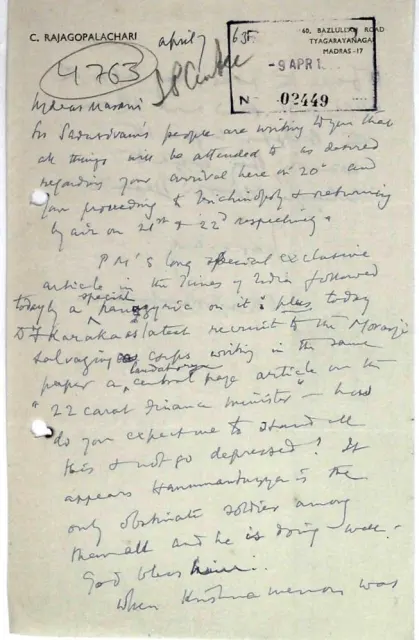
Letter to Mr Minoo Masani
1964 · letter
-
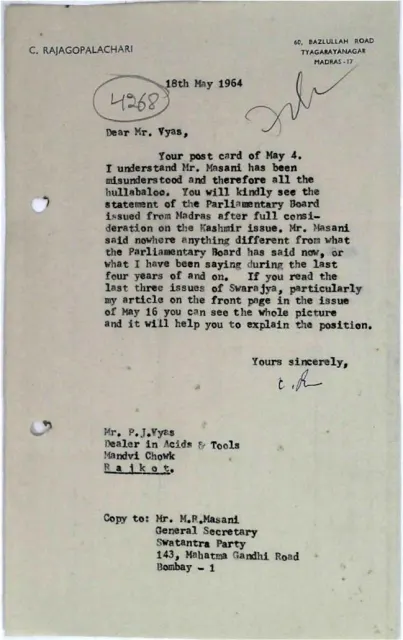
Letter to P J Vyas
1964 · letter
-

Letter to P K Deo
1964 · letter
-
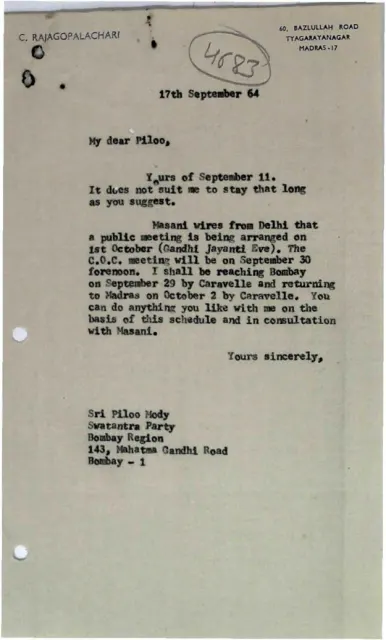
Letter to Piloo Mody
1964 · letter
-
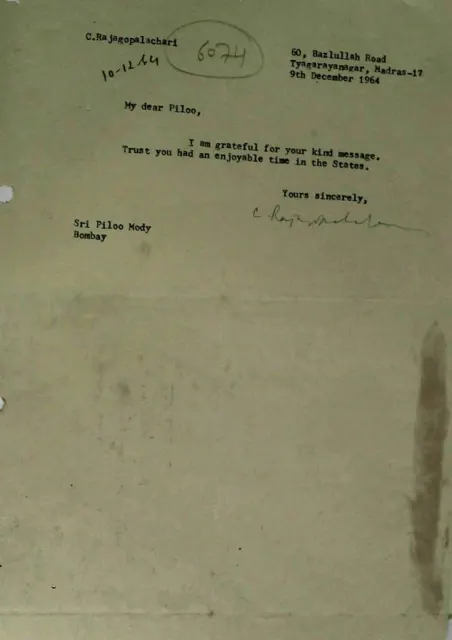
Letter to Piloo Mody
1964 · letter
-
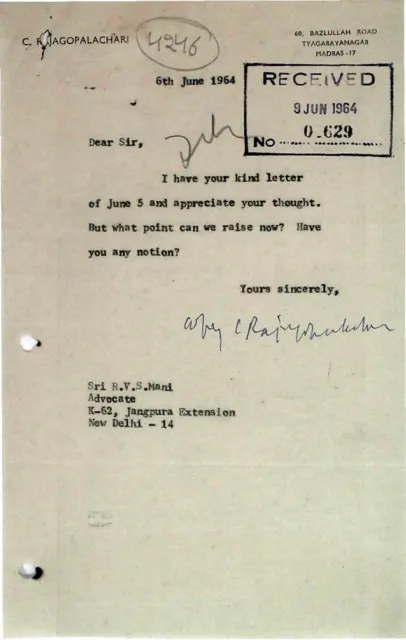
Letter to R V S Mani
1964 · letter
-
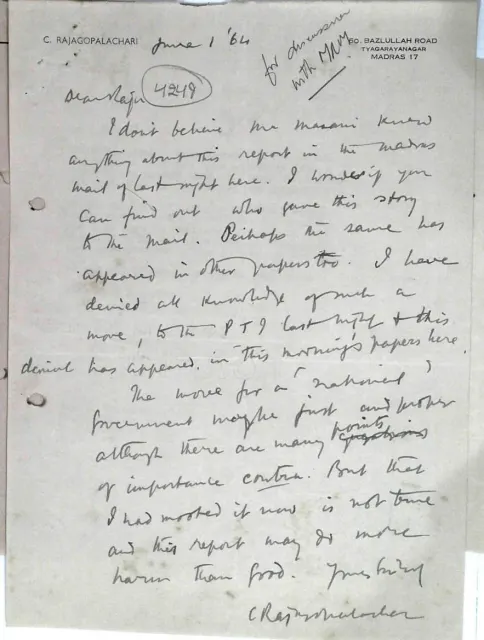
Letter to S V Raju
1964 · letter
-
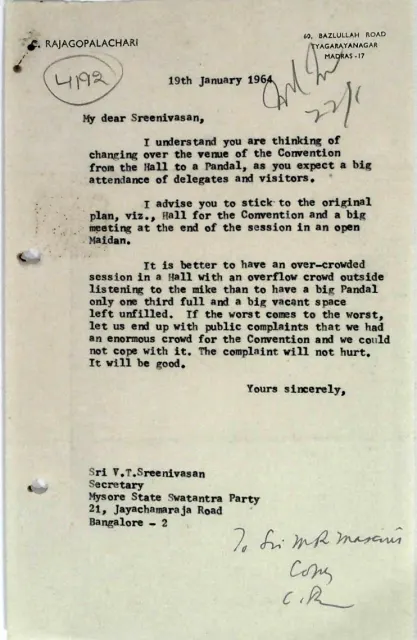
Letter to V T Sreenivasan
1964 · letter
-
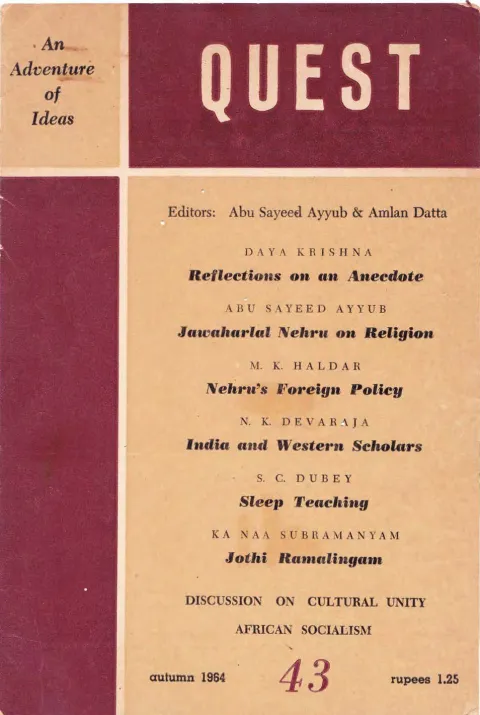
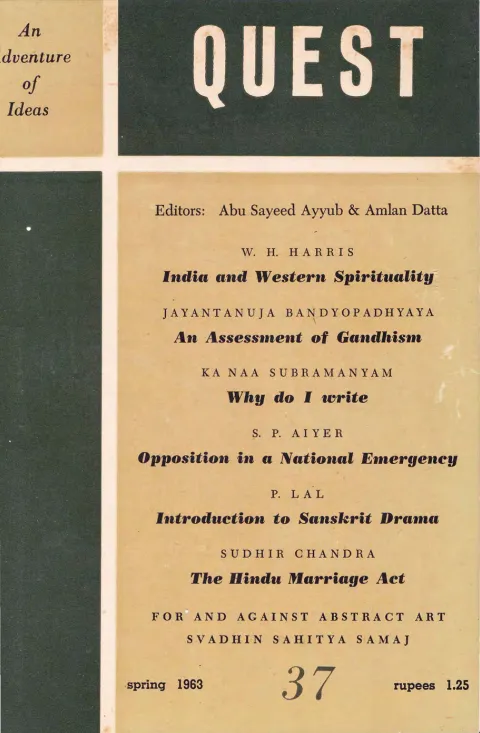
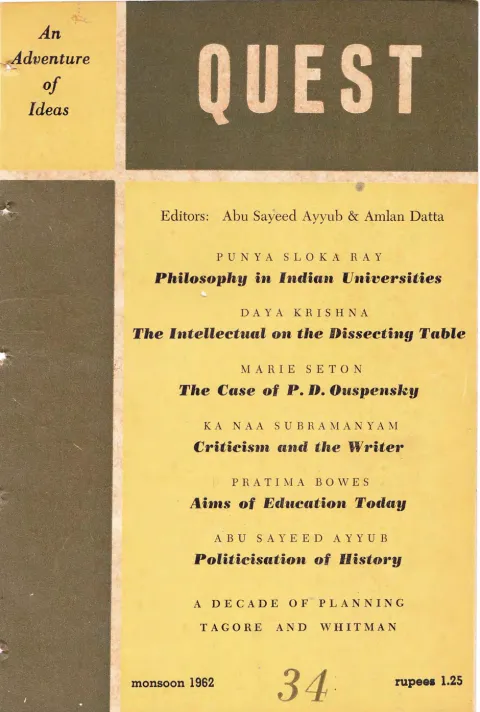
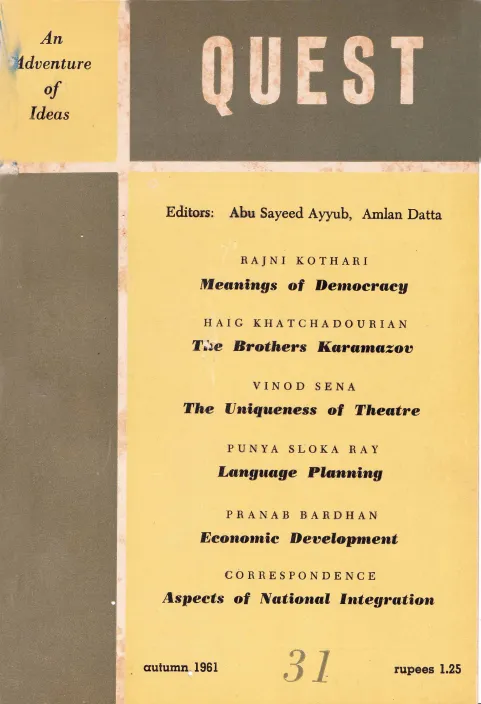
Quest
1964 · periodical issue
-
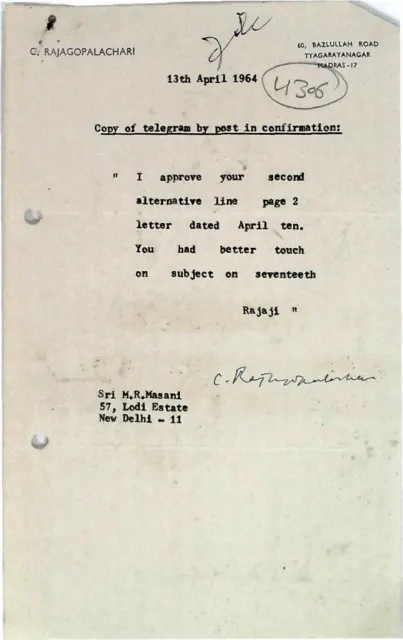
Telegram to Mr Minoo Masani
1964 · telegram
-
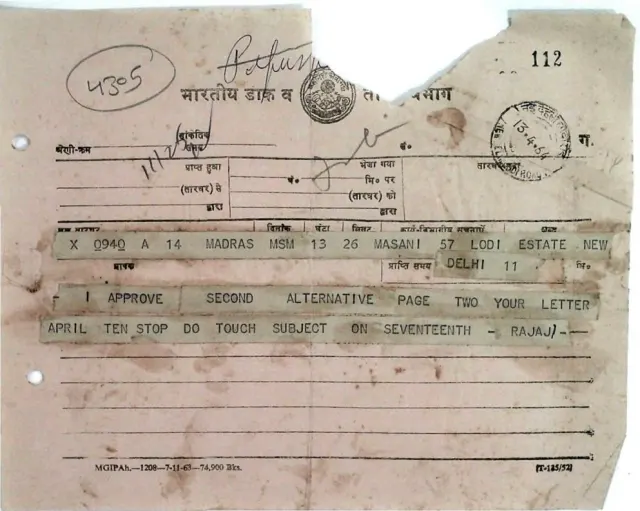
Telegram to Mr Minoo Masani
1964 · telegram
-
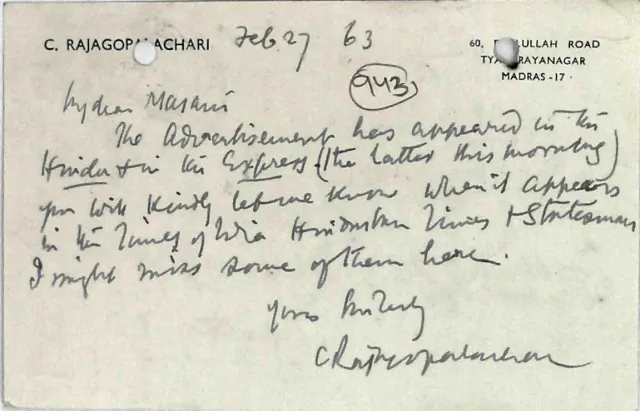
Lette to Mr Masani
1963 · letter
-
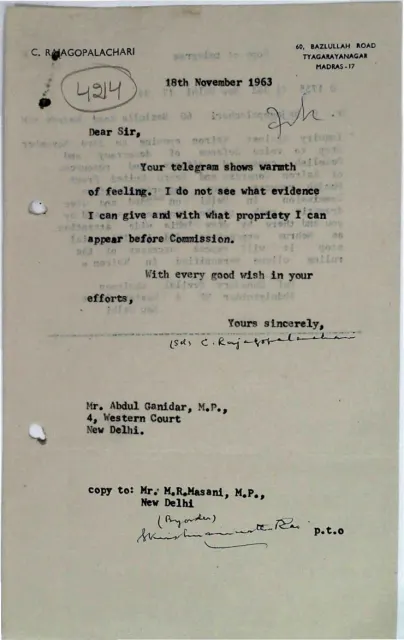
Letter to Abdul Ganidhar
1963 · telegram
-
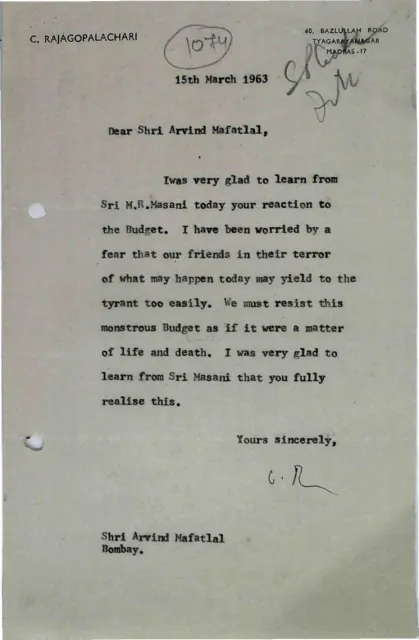
Letter to Arvind Mafatlal
1963 · letter
-
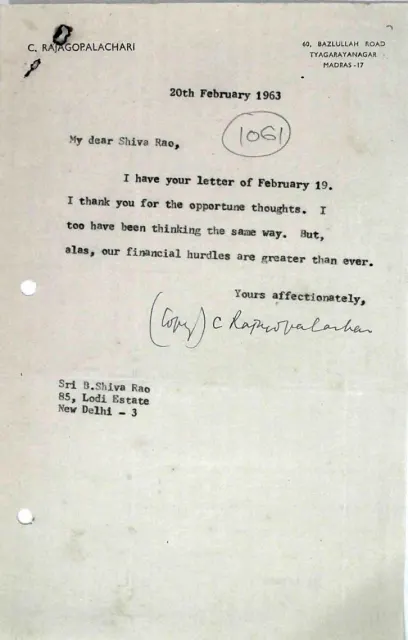
Letter to B Shiva Rao
1963 · letter
-
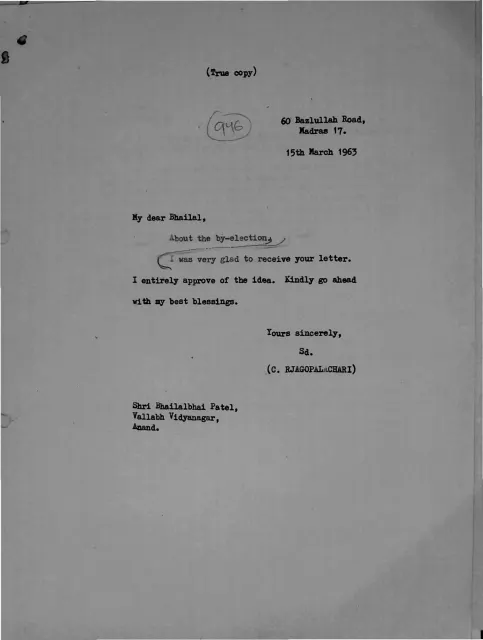
Letter to bhailal
1963 · letter
-
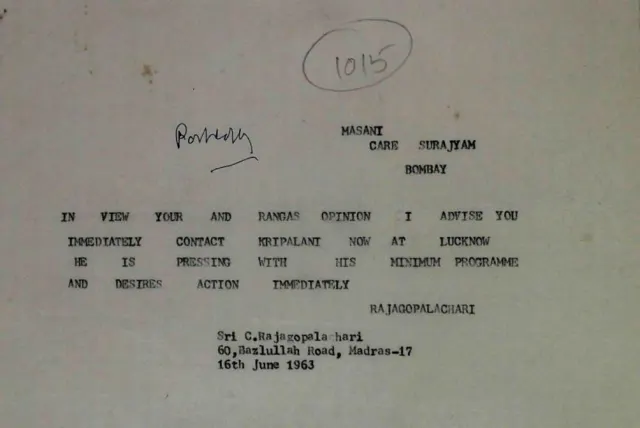
Letter to C Rajagopalachari
1963 · telegram
-
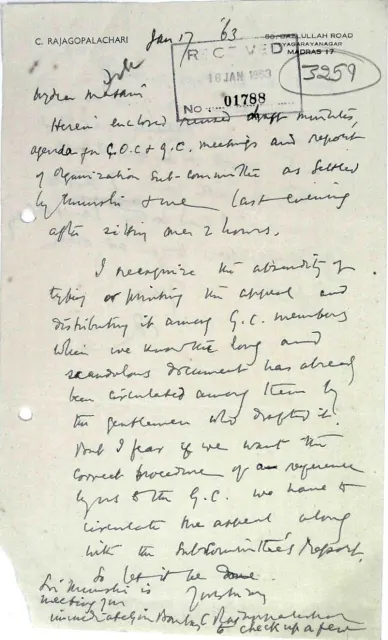
Letter to C Rajagopalachari
1963 · letter
-
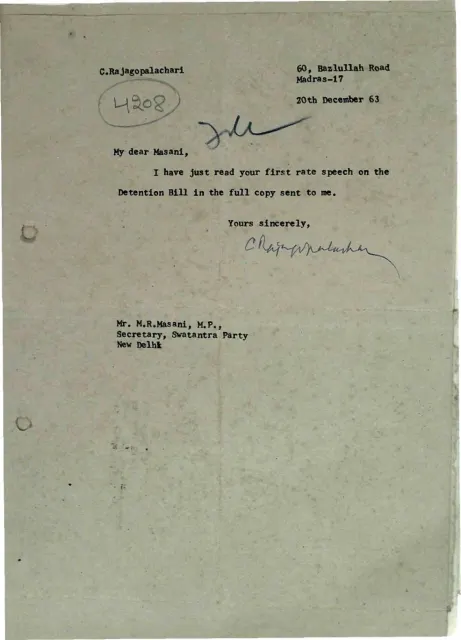
Letter to C Rajagopalachari
1963 · letter
-
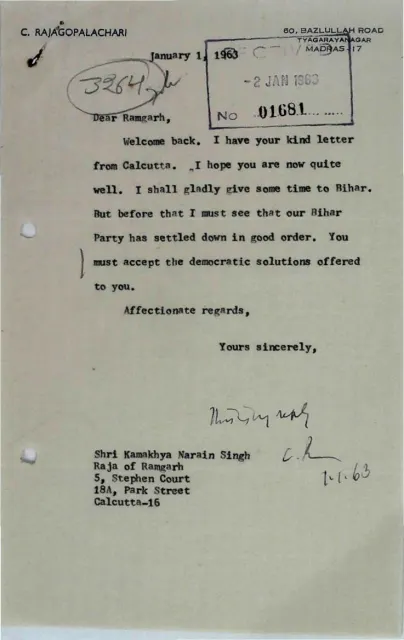
Letter to kamakhya Narain Singh
1963 · letter
-
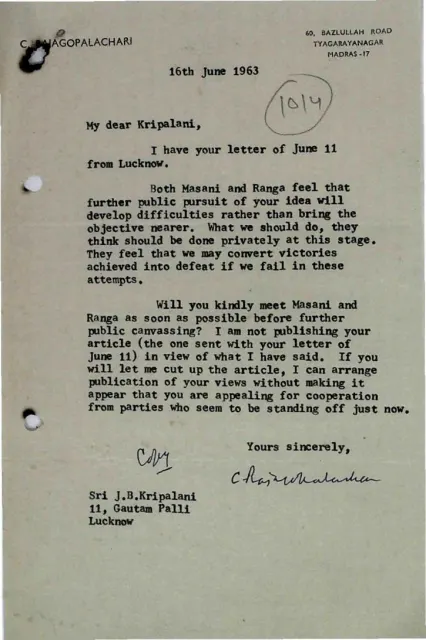
Letter to Kripalani
1963 · letter
-
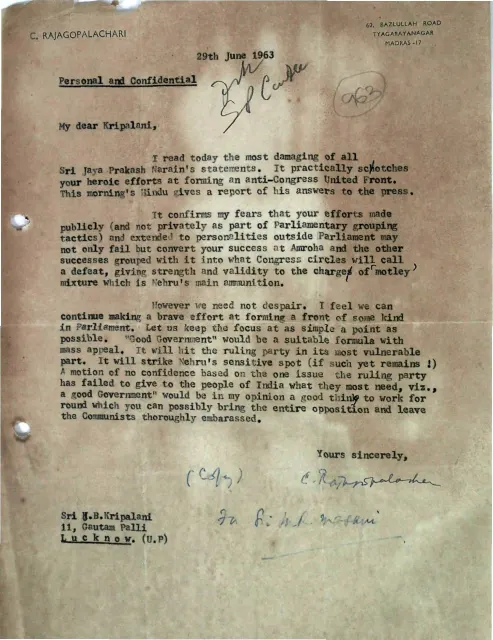
Letter to Kripalani
1963 · letter
-
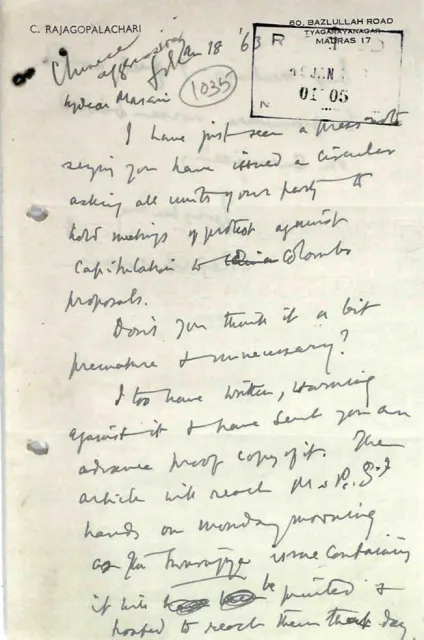
Letter to Mr Minoo Masani
1963 · letter
-
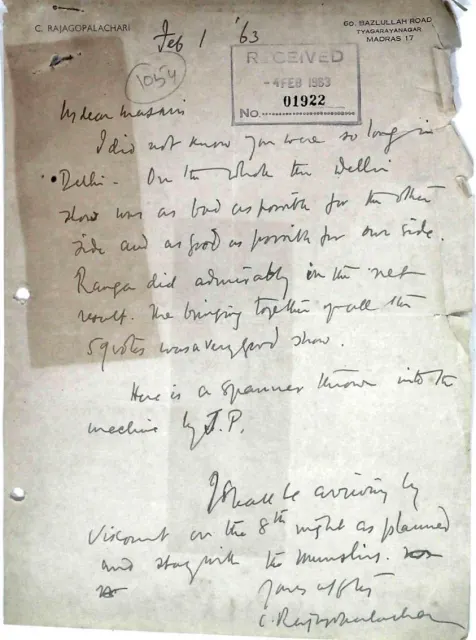
Letter to Mr Minoo Masani
1963 · letter
-
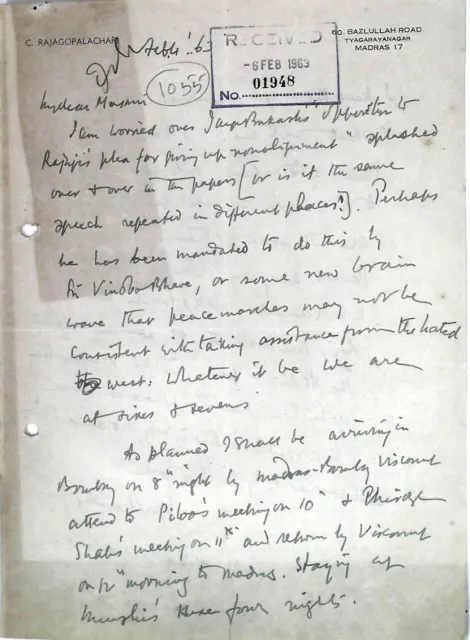
Letter to Mr Minoo Masani
1963 · letter
-
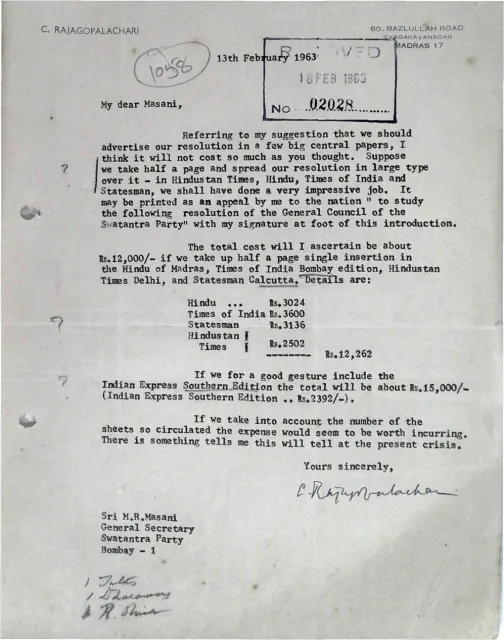
Letter to Mr Minoo Masani
1963 · letter
-
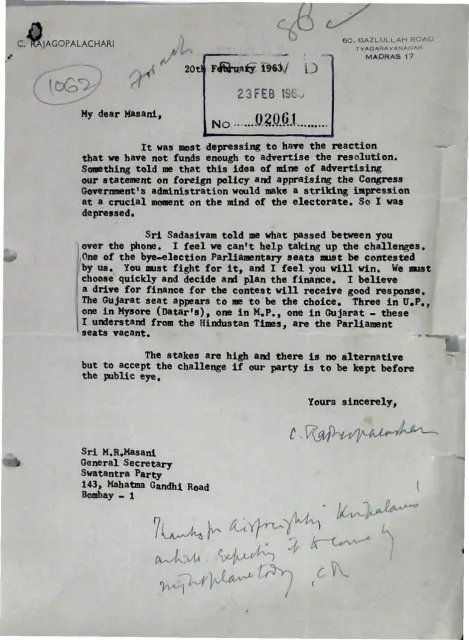
Letter to Mr Minoo Masani
1963 · letter
-
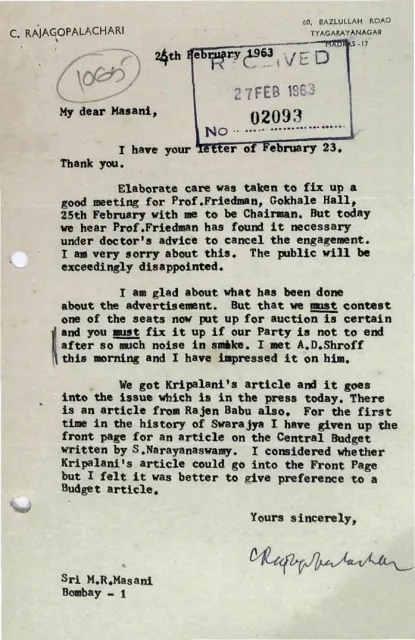
Letter to Mr Minoo Masani
1963 · letter
-
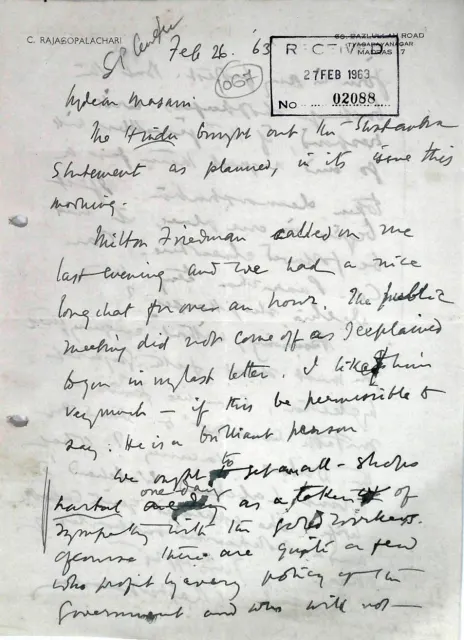
Letter to Mr Minoo Masani
1963 · letter
-
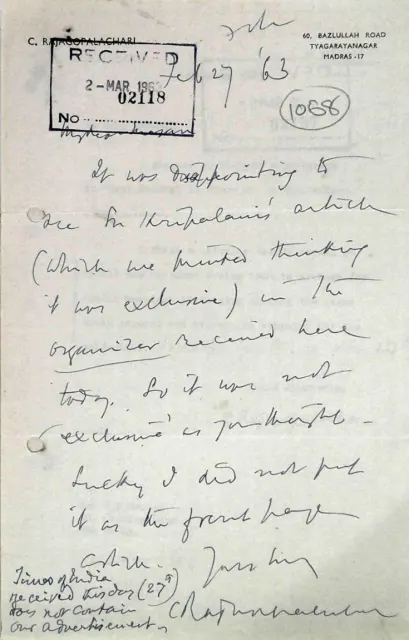
Letter to Mr Minoo Masani
1963 · letter
-
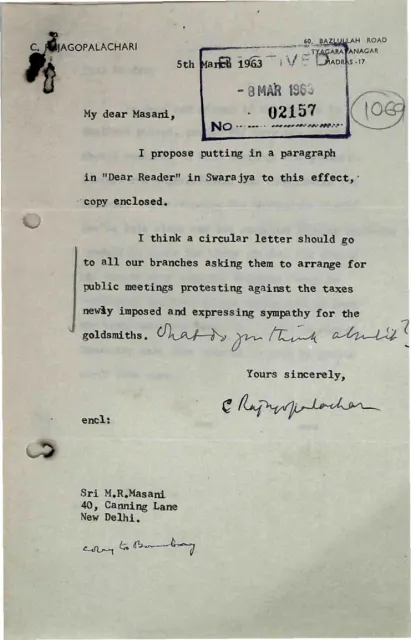
Letter to Mr Minoo Masani
1963 · letter
-
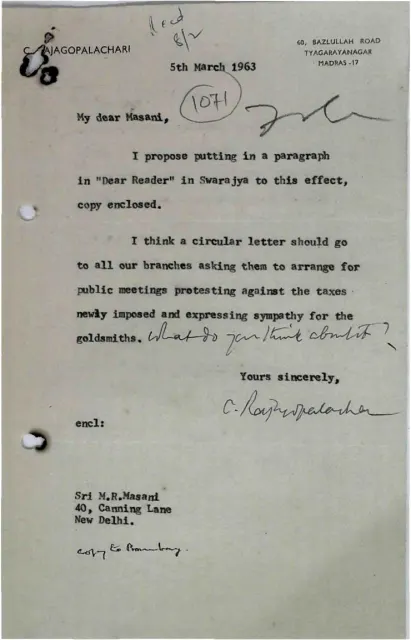
Letter to Mr Minoo Masani
1963 · letter
-
Letter to Mr Minoo Masani
1963 · letter
-
Letter to Mr Minoo Masani
1963 · letter
-
Letter to Mr Minoo Masani
1963 · letter
-
Letter to Mr Minoo Masani
1963 · letter
-
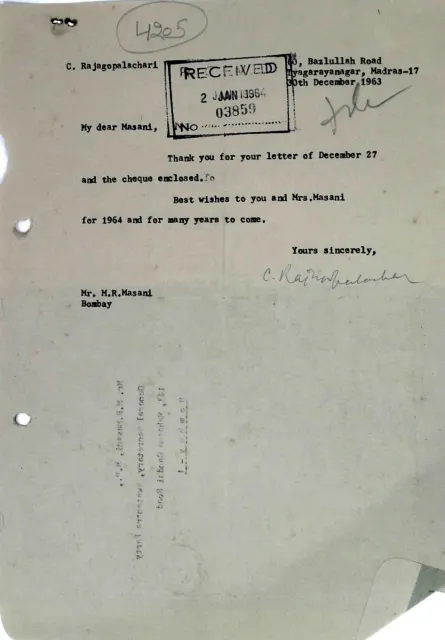
Letter to Mr Minoo Masani
1963 · letter
-
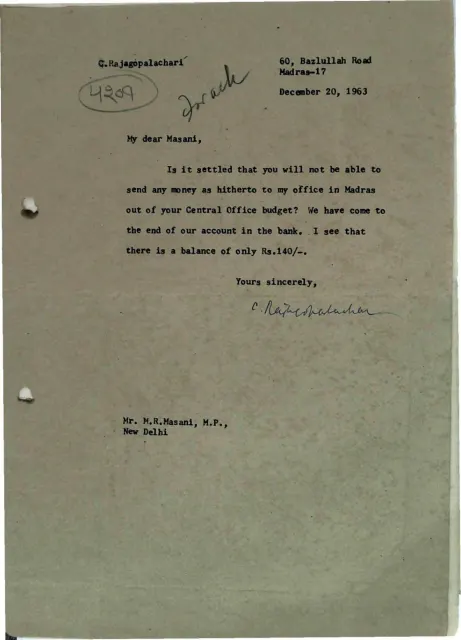
Letter to Mr Minoo Masani
1963 · letter
-
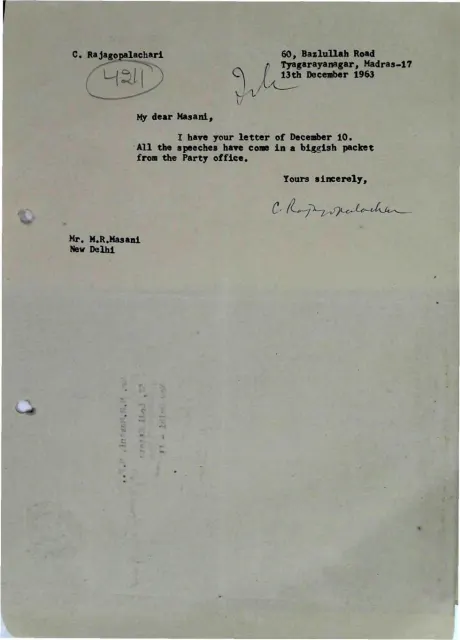
Letter to Mr Minoo Masani
1963 · letter
-
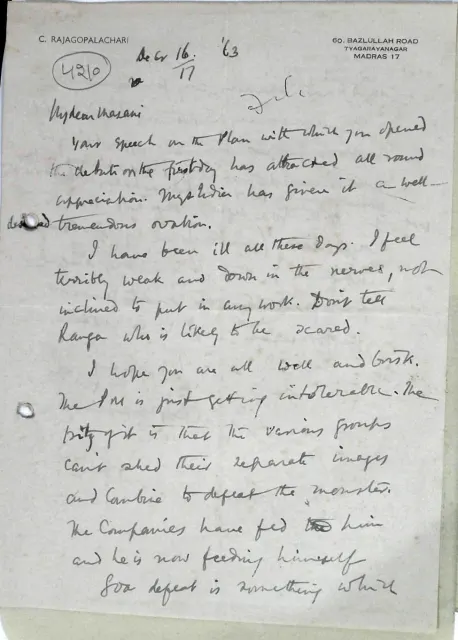
Letter to Mr Minoo Masani
1963 · letter
-
Letter to Mr Minoo Masani
1963 · letter
-
Letter to Mr Minoo Masani
1963 · letter
-
Letter to Mr Minoo Masani
1963 · letter
-
Letter to Mr Minoo Masani
1963 · letter
-
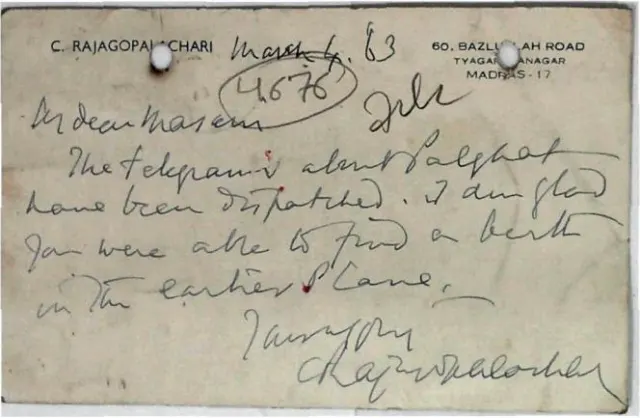
Letter to Mr Minoo Masani
1963 · letter
-
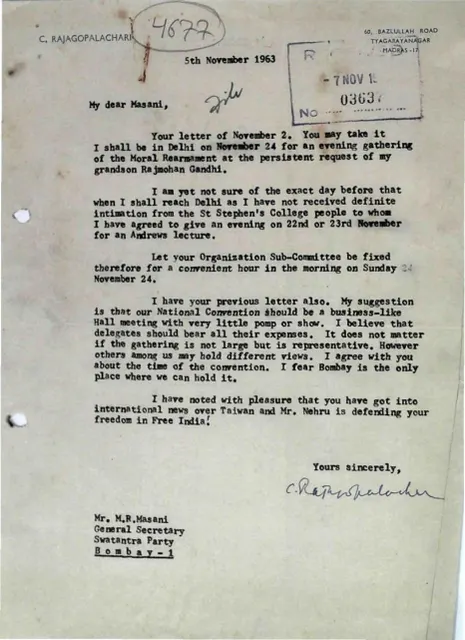
Letter to Mr Minoo Masani
1963 · letter
-
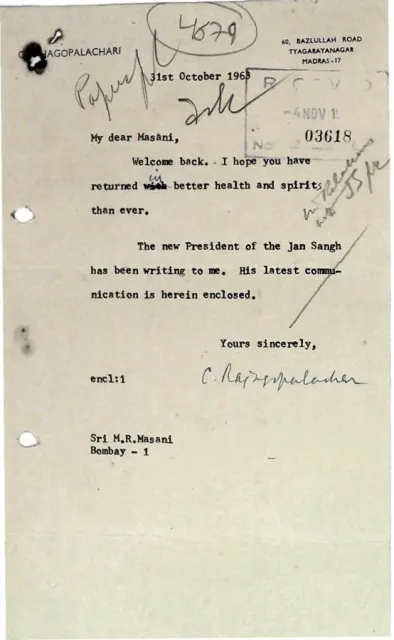
Letter to Mr Minoo Masani
1963 · letter
-
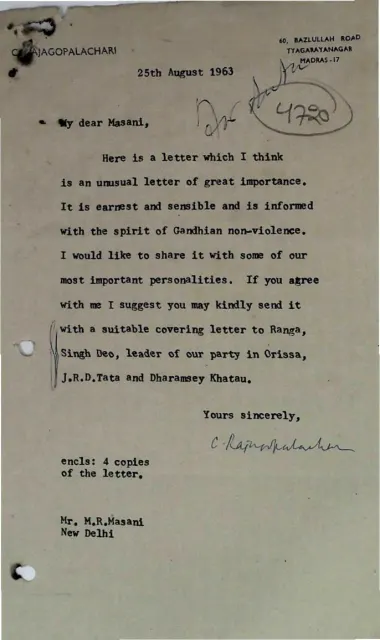
Letter to Mr Minoo Masani
1963 · letter
-
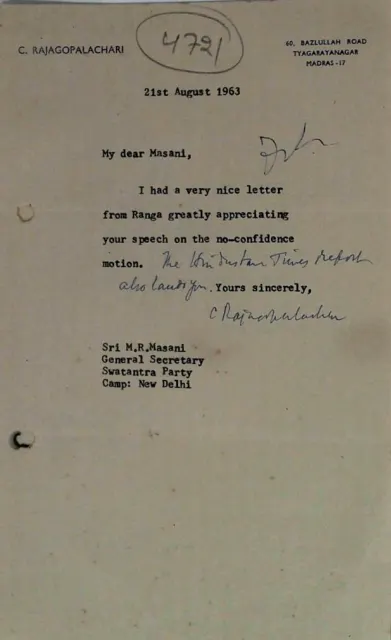
Letter to Mr Minoo Masani
1963 · letter
-
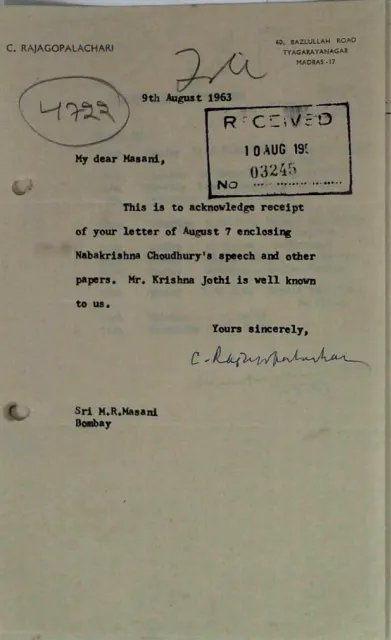
Letter to Mr Minoo Masani
1963 · letter
-
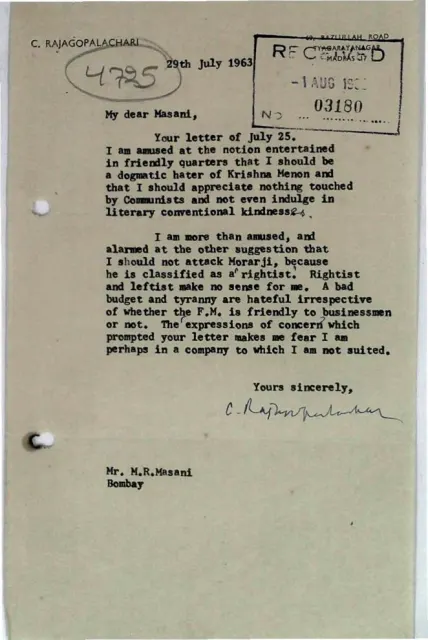
Letter to Mr Minoo Masani
1963 · letter
-
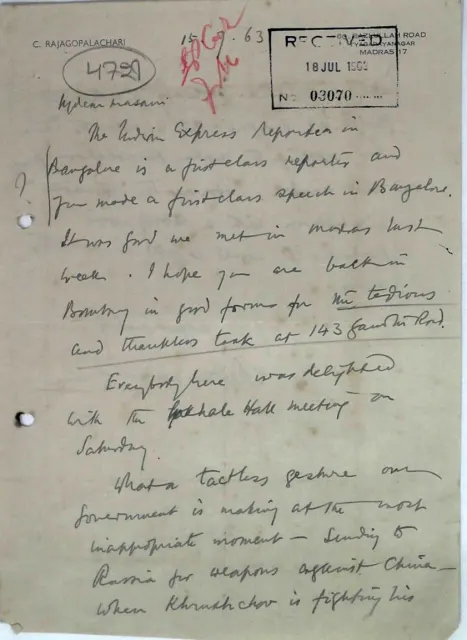
Letter to Mr Minoo Masani
1963 · letter
-
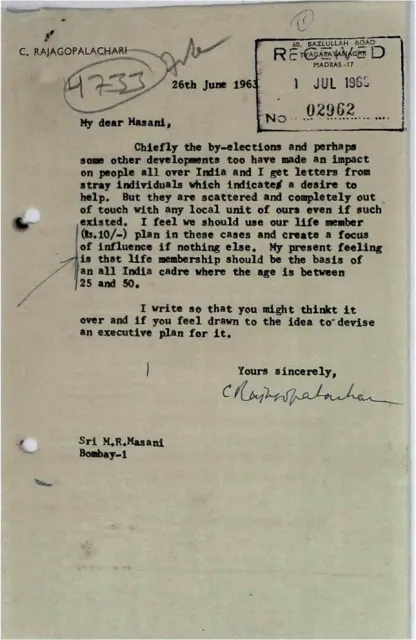
Letter to Mr Minoo Masani
1963 · letter
-
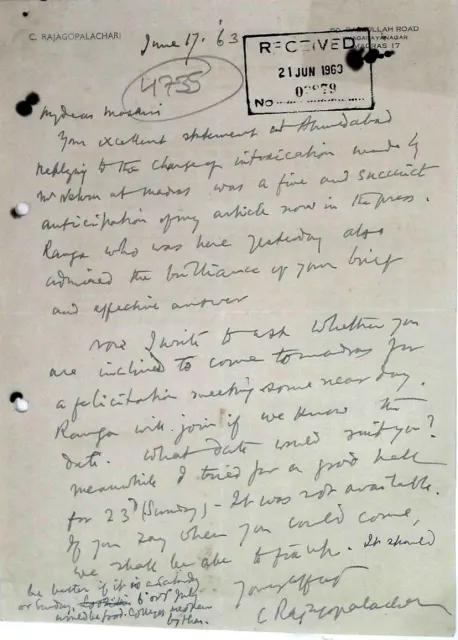
Letter to Mr Minoo Masani
1963 · letter
-
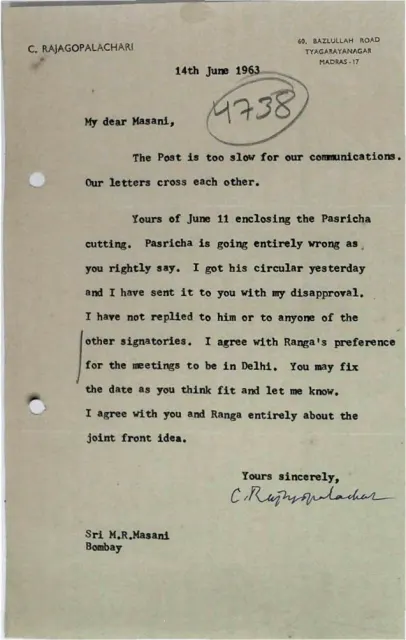
Letter to Mr Minoo Masani
1963 · letter
-
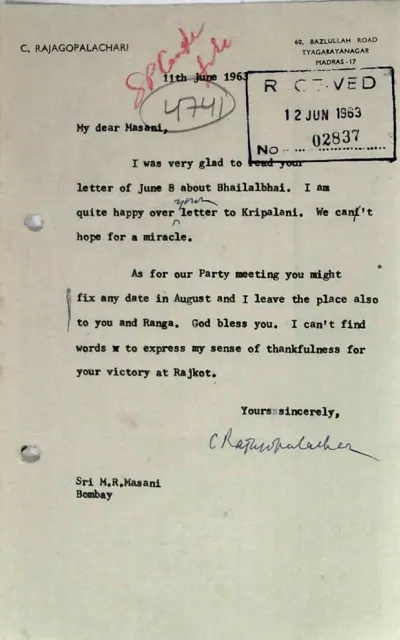
Letter to Mr Minoo Masani
1963 · letter
-
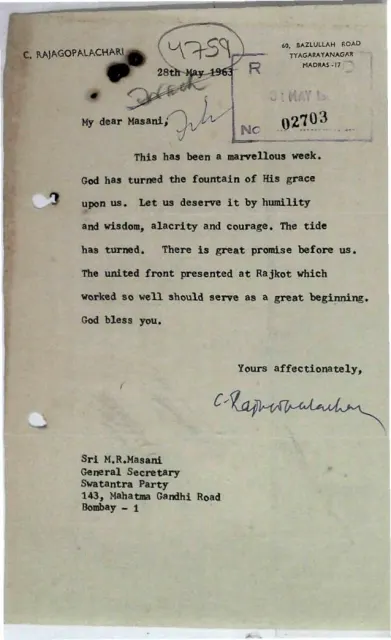
Letter to Mr Minoo Masani
1963 · letter
-
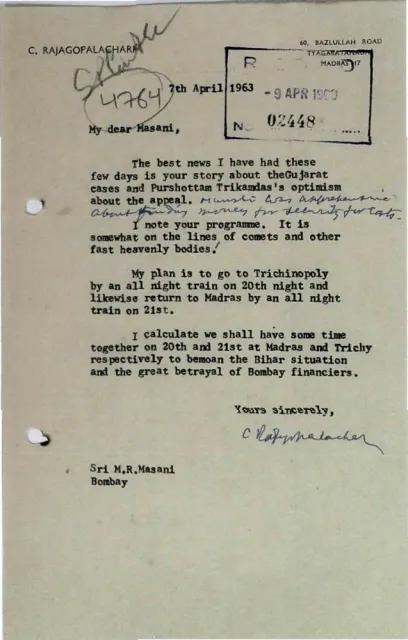
Letter to Mr Minoo Masani
1963 · letter
-
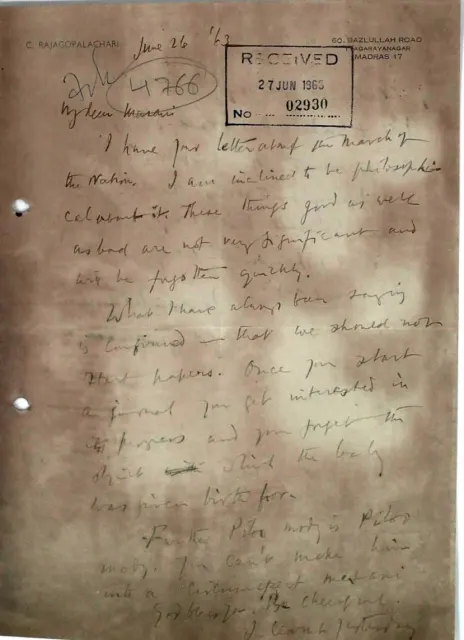
Letter to Mr Minoo Masani
1963 · letter
-
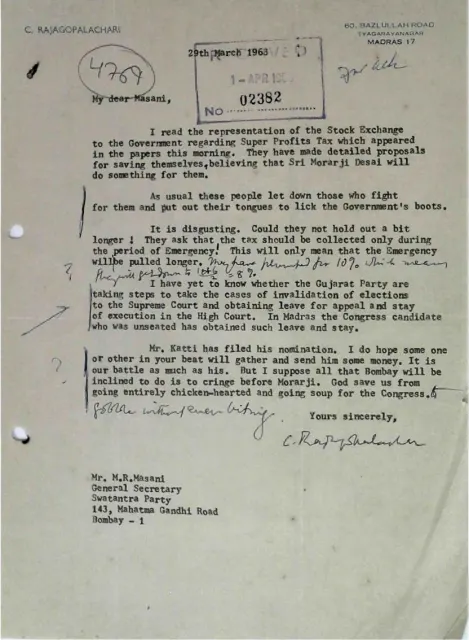
Letter to Mr Minoo Masani
1963 · letter
-
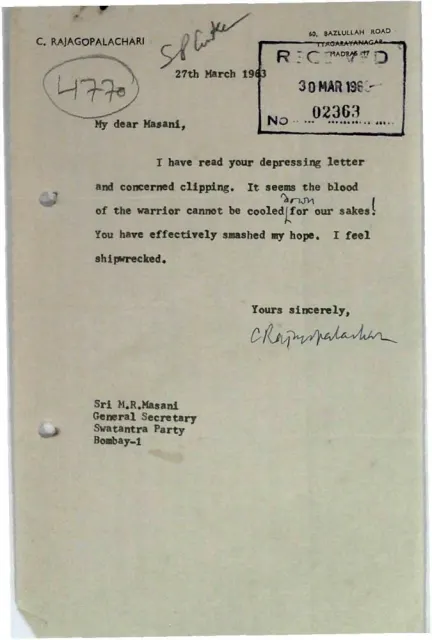
Letter to Mr Minoo Masani
1963 · letter
-
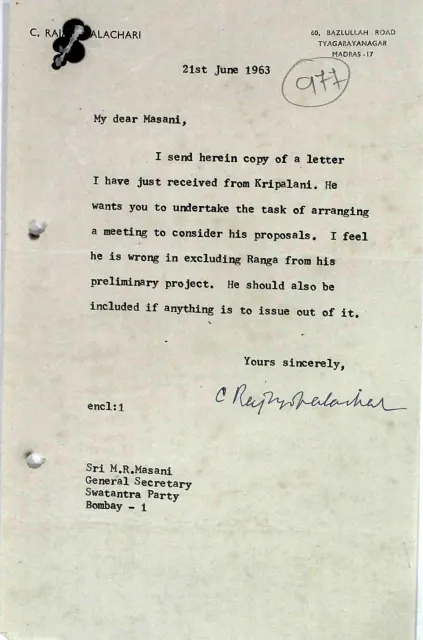
Letter to Mr Minoo Masani
1963 · letter
-
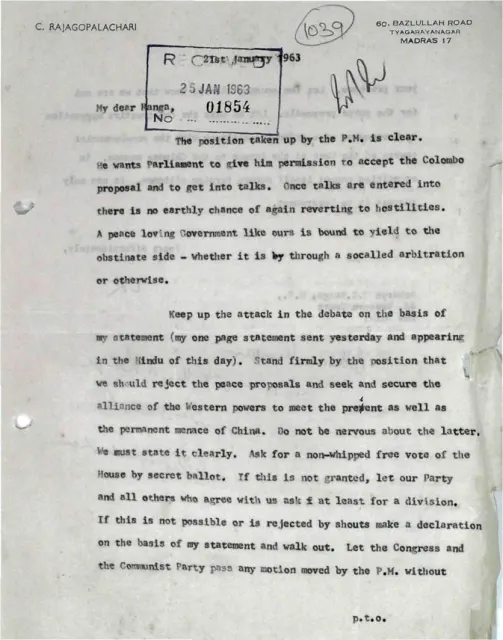
Letter to NG Ranga
1963 · letter
-
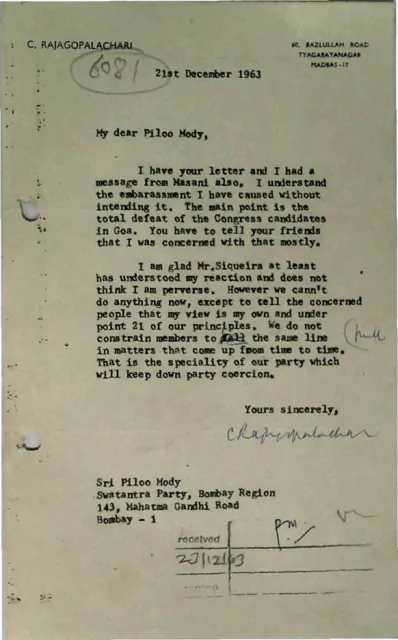
Letter to Piloo Mody
1963 · letter
-
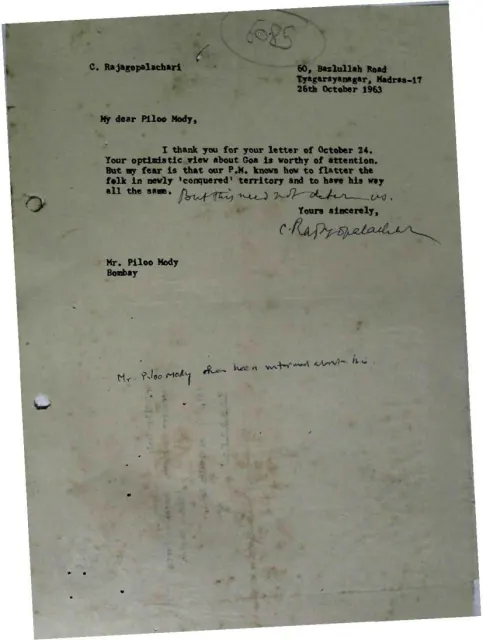
Letter to Piloo Mody
1963 · letter
-
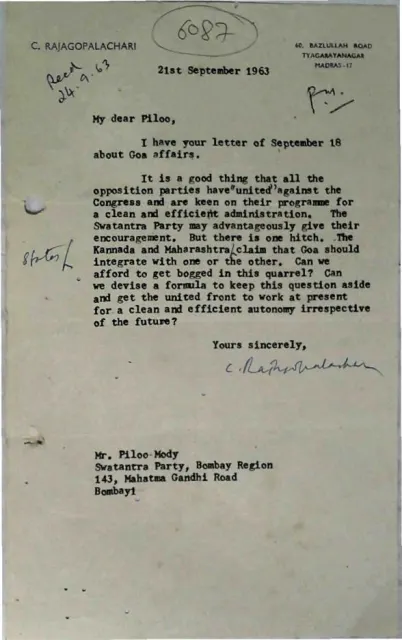
Letter to Piloo Mody
1963 · letter
-
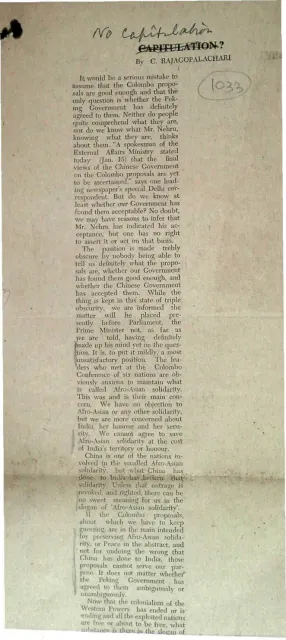
No Capitulation?
1963 · essay
-
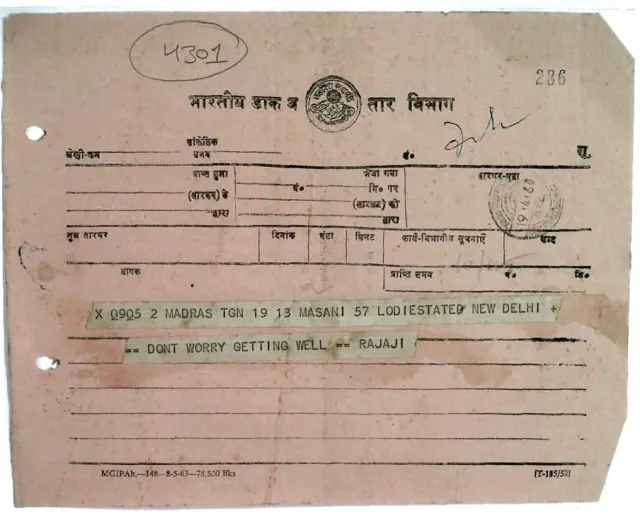
Telegram to Mr Minoo Masani
1963 · telegram
-
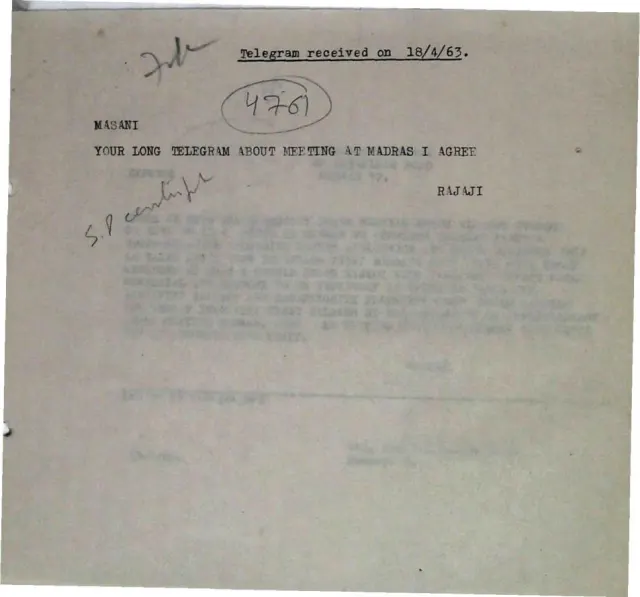
Telegram to Mr Minoo Masani
1963 · telegram
-
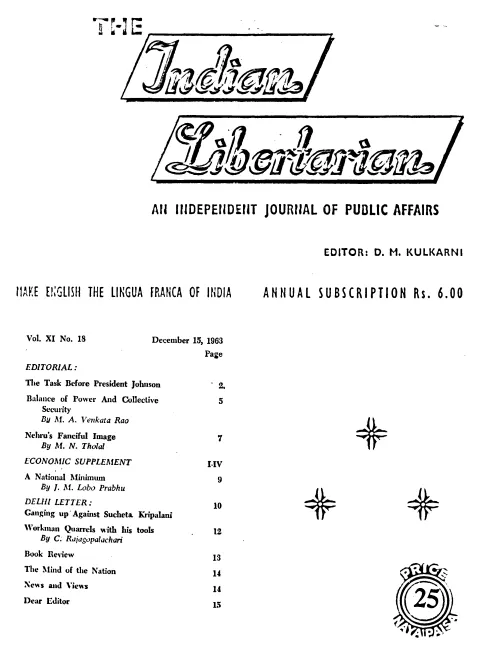
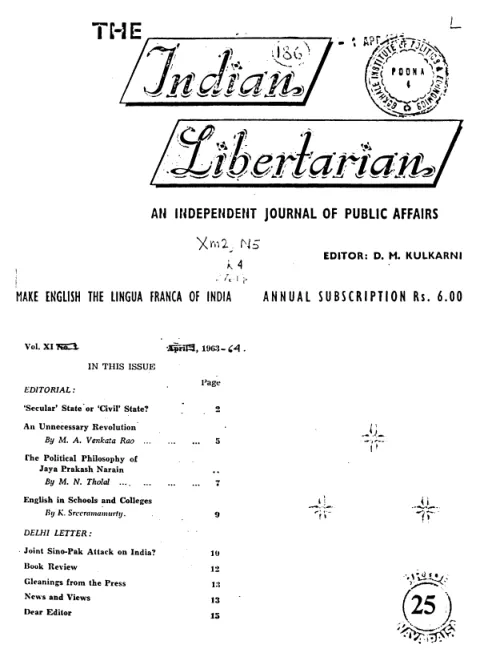
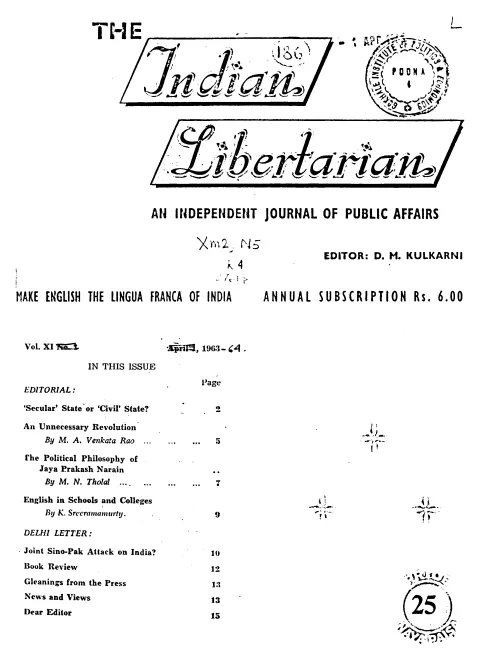
The Indian Libertarian
1963 · periodical issue
-
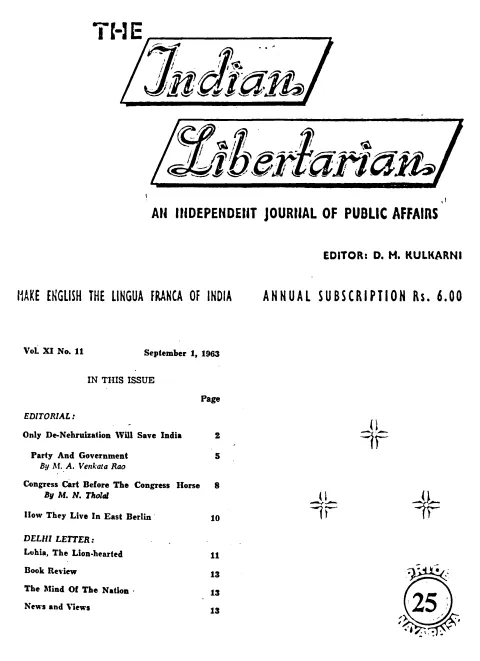
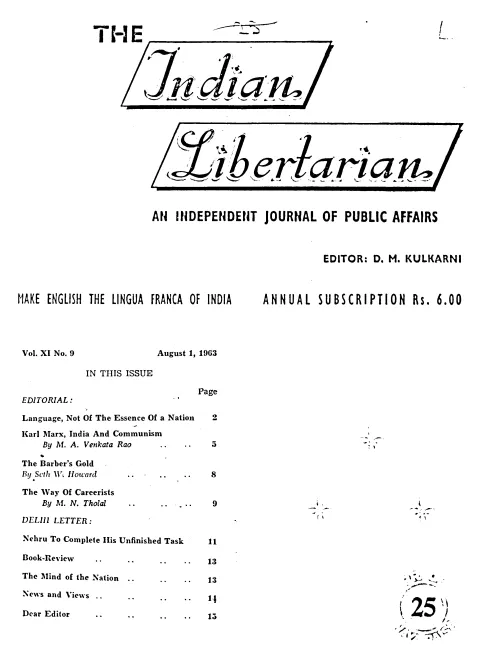
The Indian Libertarian
1963 · periodical issue
-
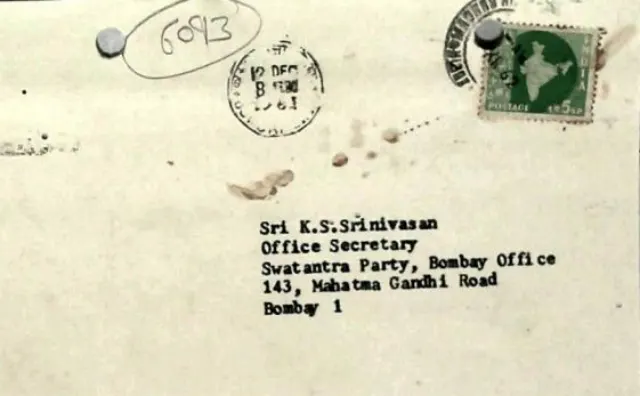
Letter to K S Srinivasan
1962 · letter
-
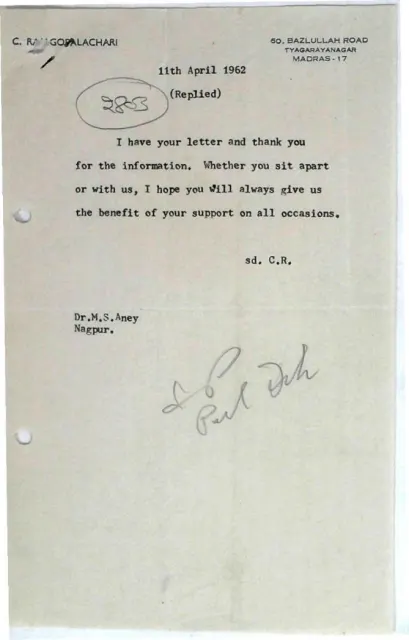
Letter to M S Aney
1962 · letter
-
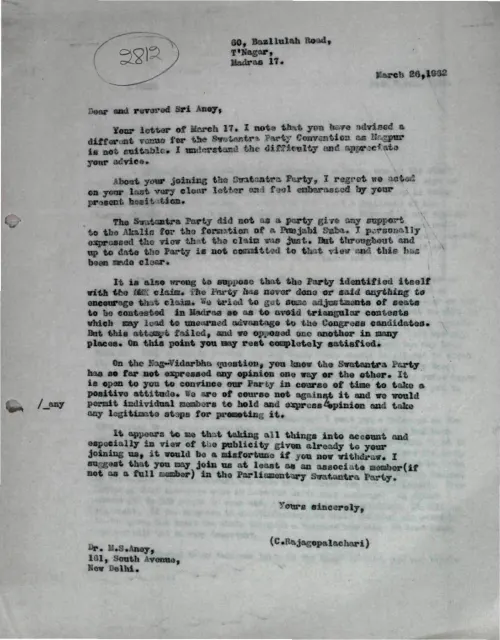
Letter to M S Aney
1962 · letter
-
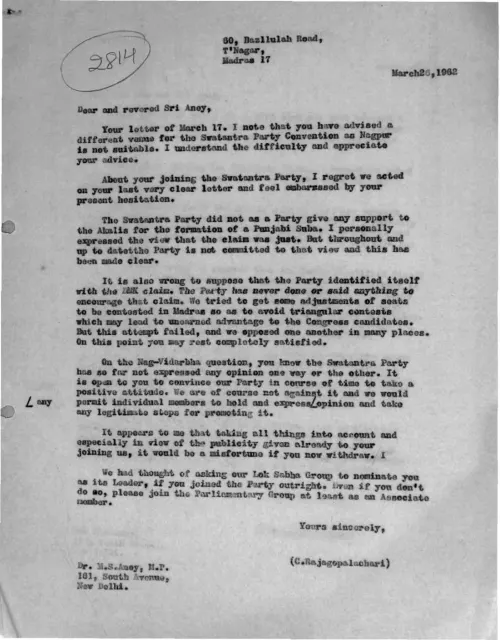
Letter to M S Aney
1962 · letter
-
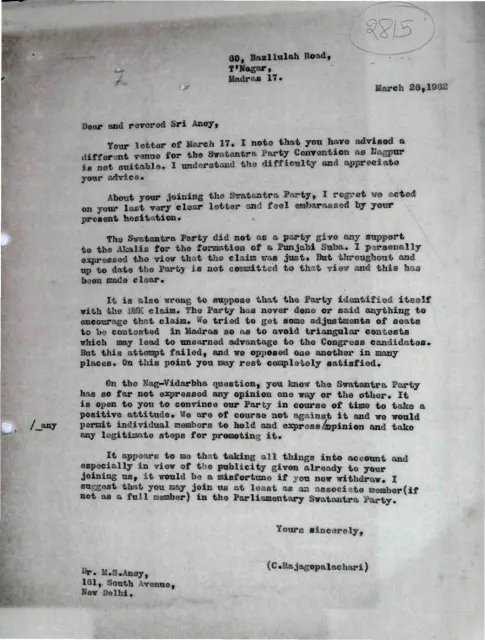
Letter to M S Aney
1962 · letter
-
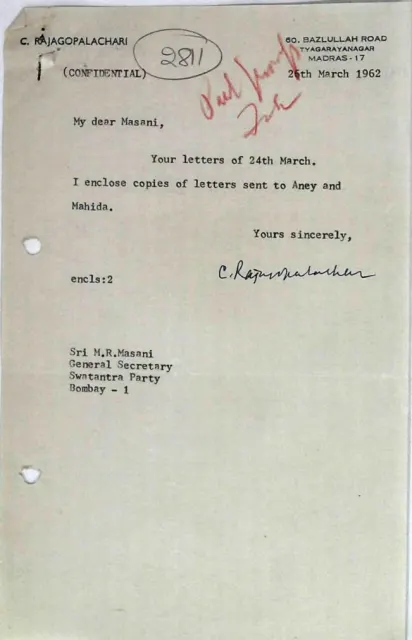
Letter to Mr Minoo Masani
1962 · letter
-
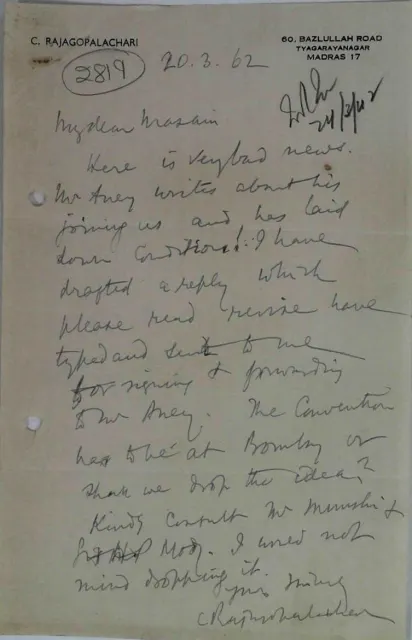
Letter to Mr Minoo Masani
1962 · letter
-
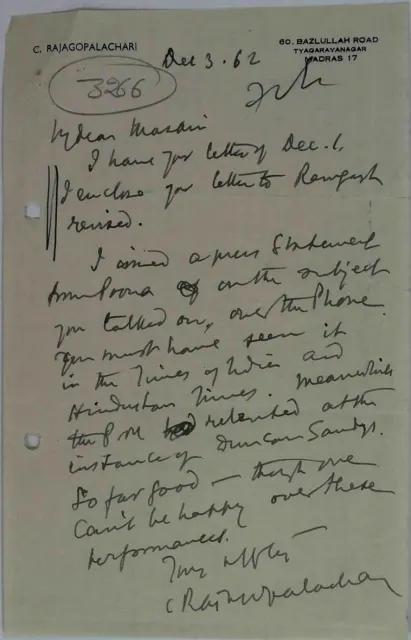
Letter to Mr Minoo Masani
1962 · letter
-
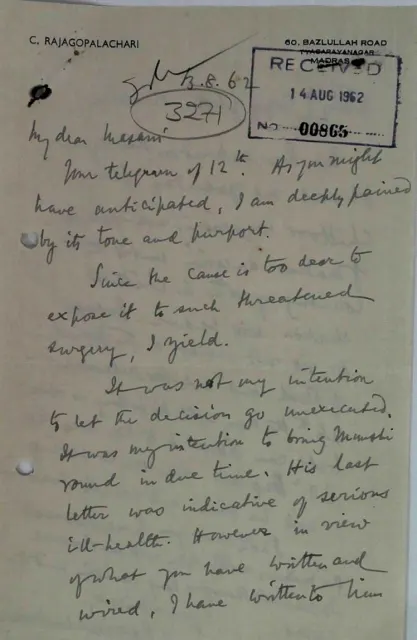
Letter to Mr Minoo Masani
1962 · letter
-
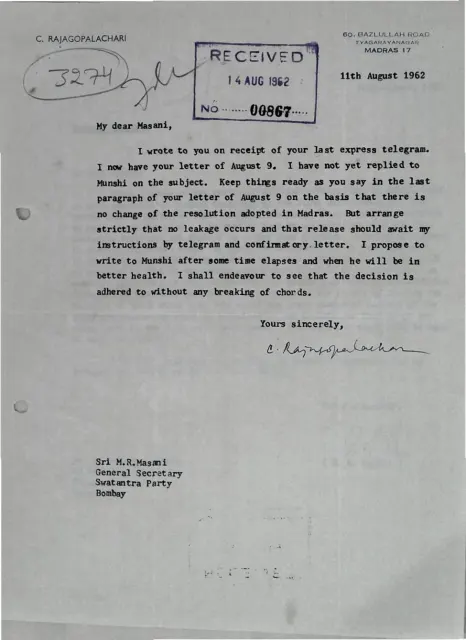
Letter to Mr Minoo Masani
1962 · letter
-
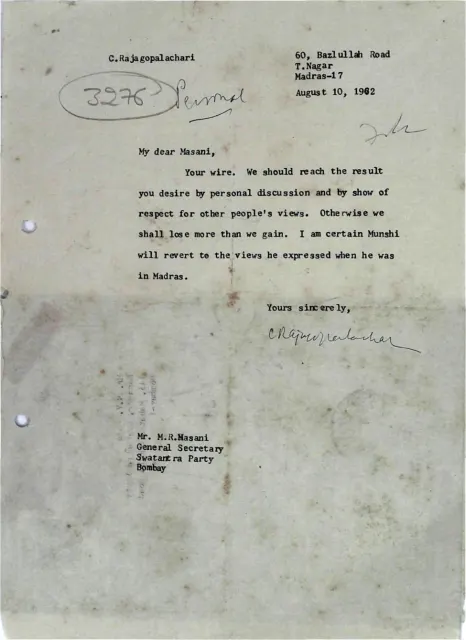
Letter to Mr Minoo Masani
1962 · letter
-
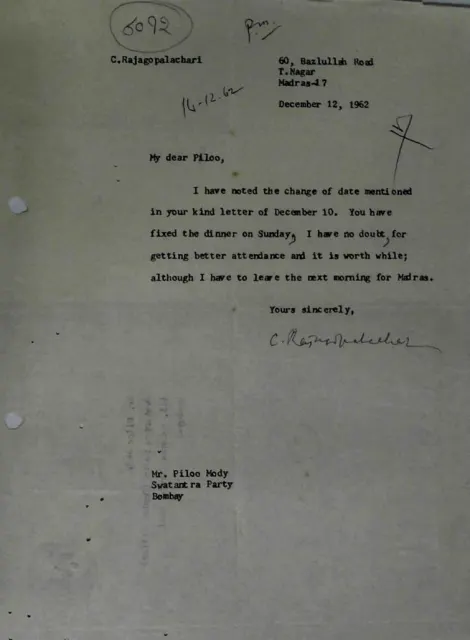
Letter to Piloo Mody
1962 · letter
-
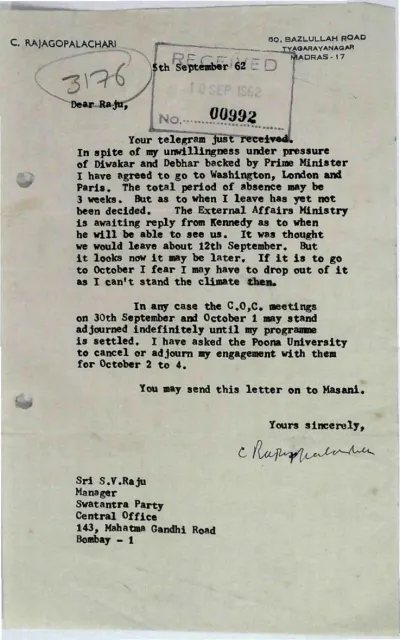
Letter to S V Raju
1962 · letter
-
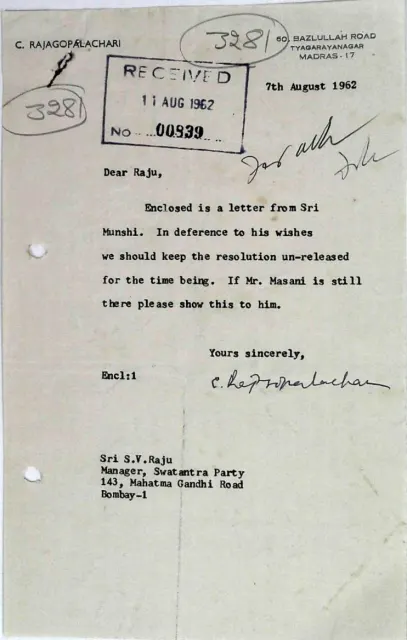
Letter to S V Raju
1962 · letter
-
Letter to the secretary
1962 · letter
-
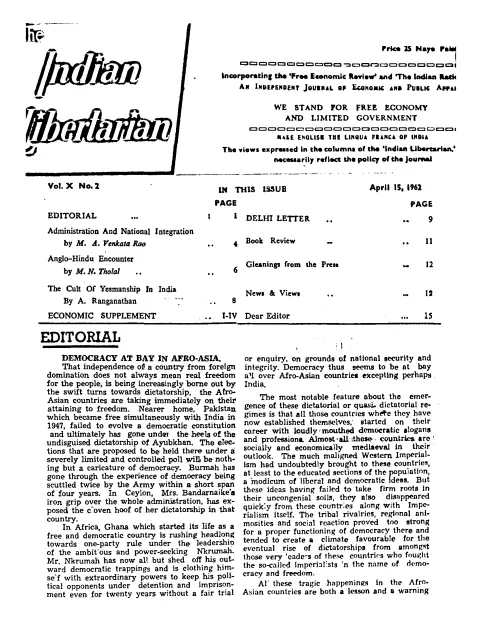
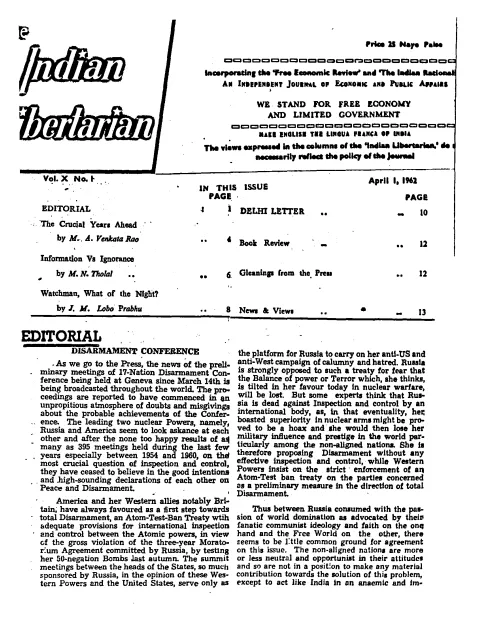
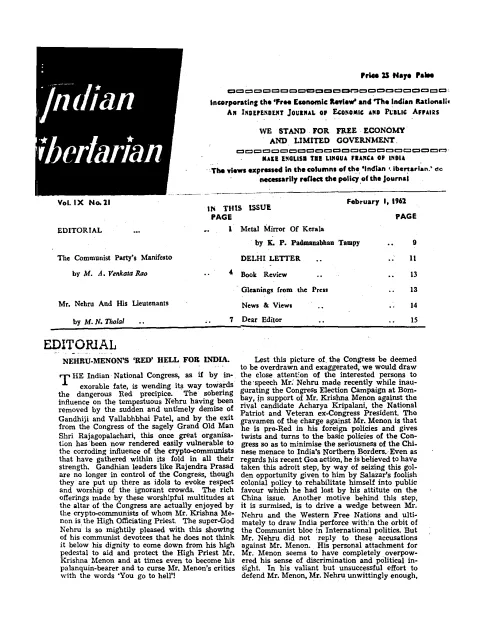
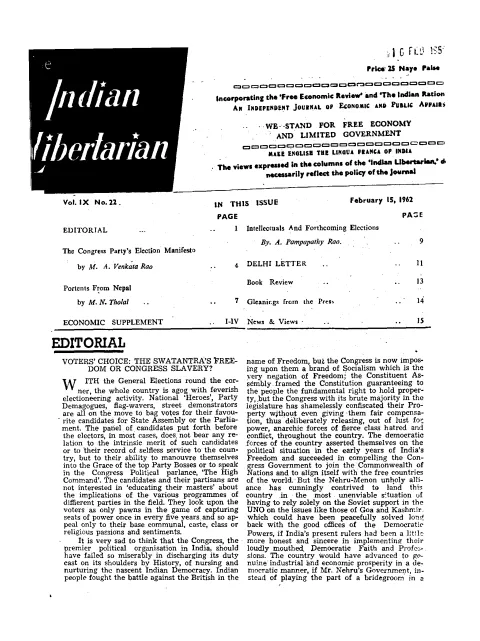
The Indian Libertarian
1962 · periodical issue
-
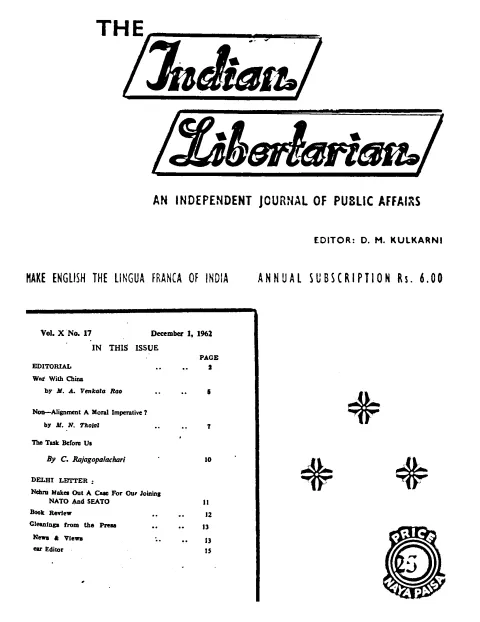
The Indian Libertarian
1962 · periodical issue
-
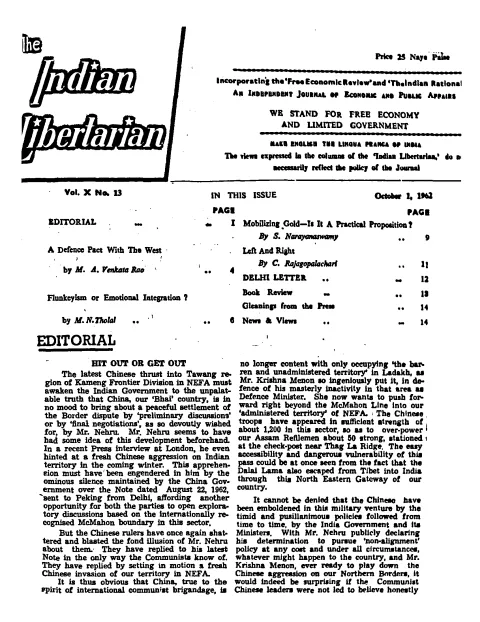
The Indian Libertarian
1962 · periodical issue
-
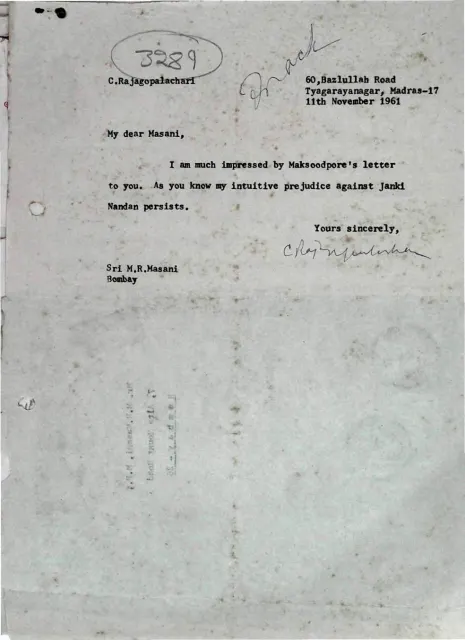
Letter to C Rajagopalachari
1961 · correspondence
-
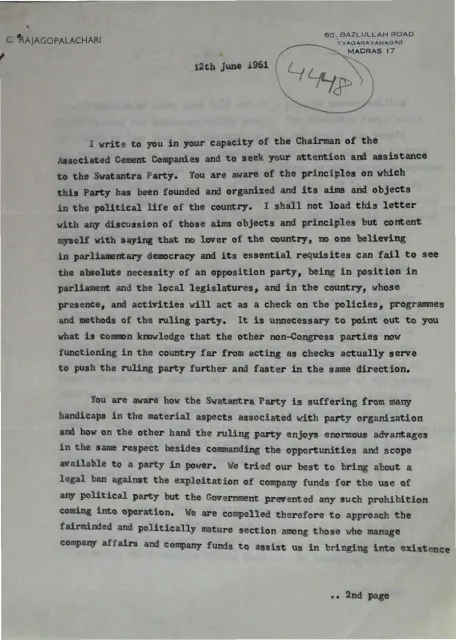
Letter to Dharamsey M Khatau
1961 · letter
-
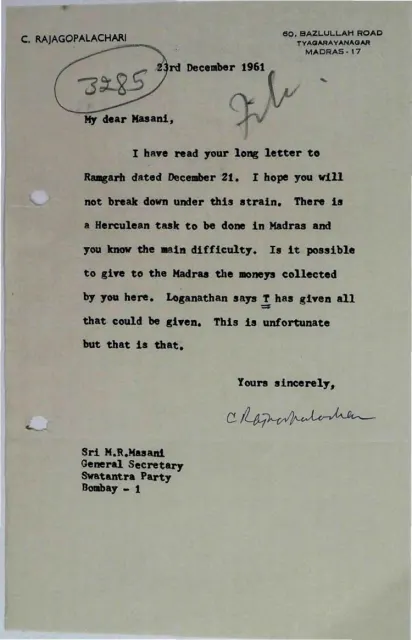
Letter to Mr Minoo Masani
1961 · letter
-
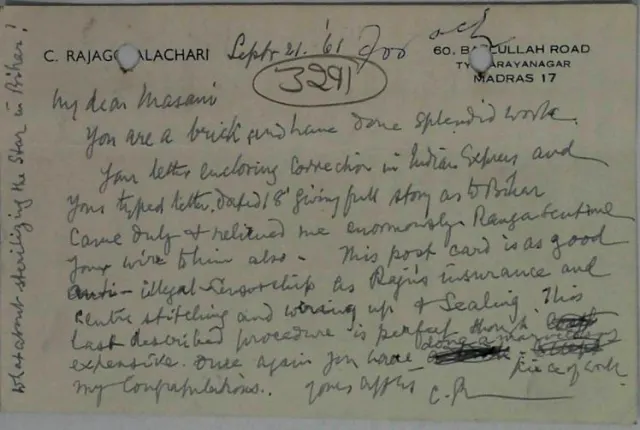
Letter to Mr Minoo Masani
1961 · letter
-
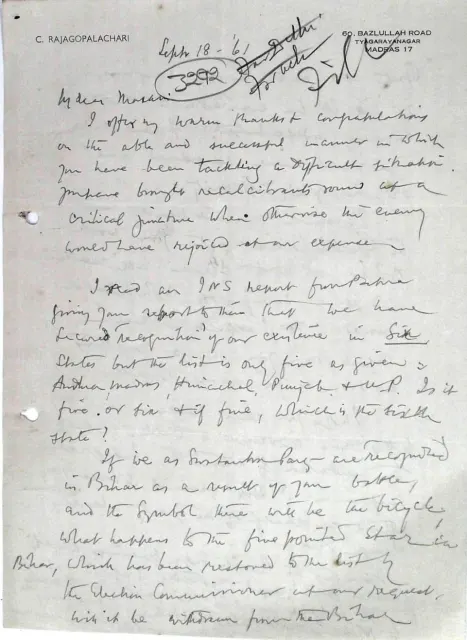
Letter to Mr Minoo Masani
1961 · letter
-
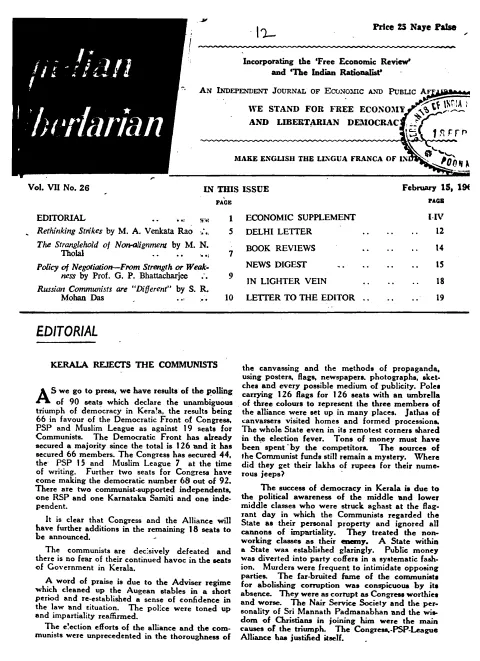
The Indian Libertarian
1960 · periodical issue
-
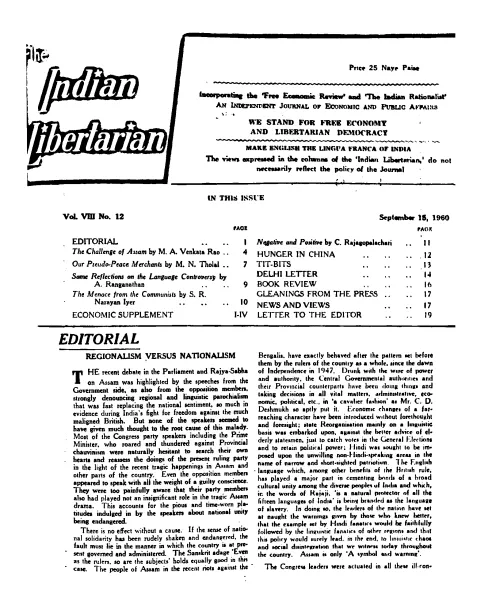
The Indian Libertarian
1960 · periodical issue
-
For Freedom, Farm And Family
1959 · edited volume
-
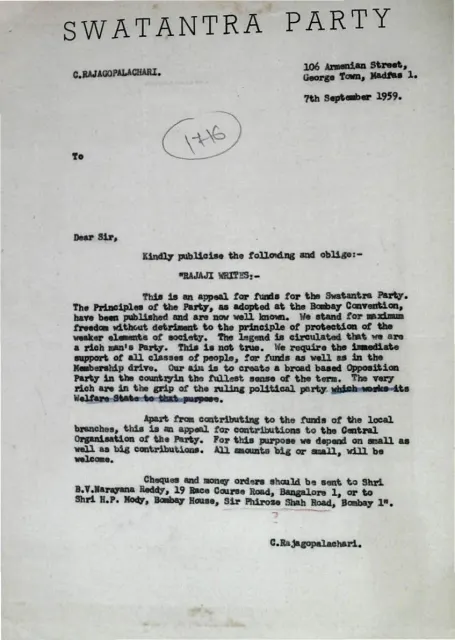
Letter to Mr C Rajagopalachari
1959 · letter
-
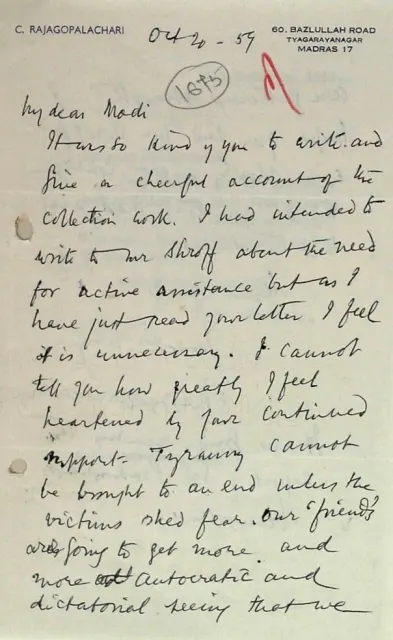
Letter to Mr H P Modi
1959 · letter
-
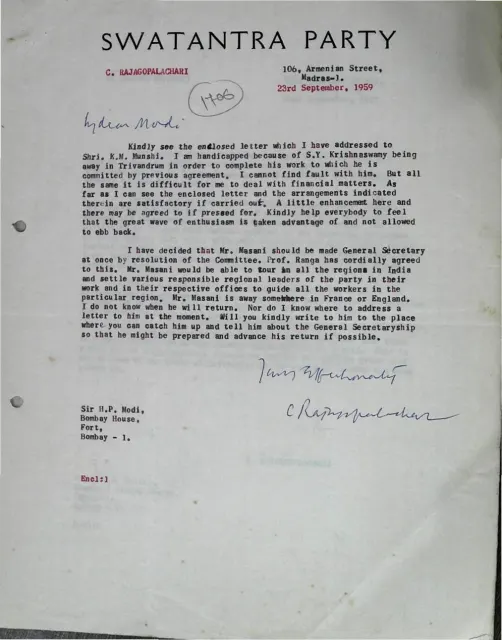
Letter to Mr H P Modi
1959 · letter
-
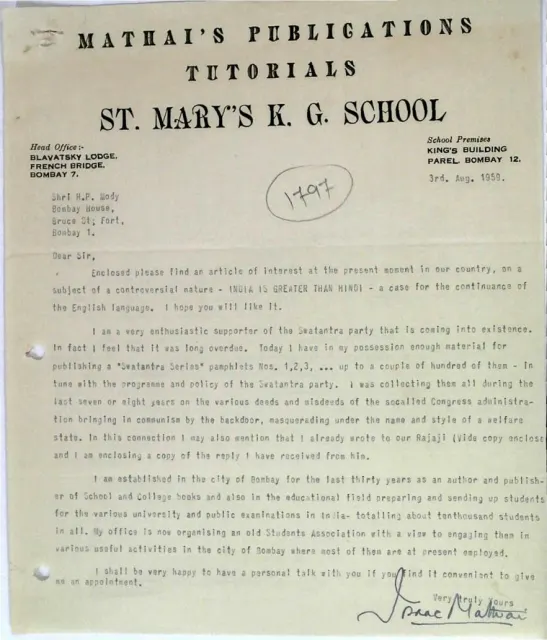
Letter to Mr Homi Modi
1959 · correspondence
-
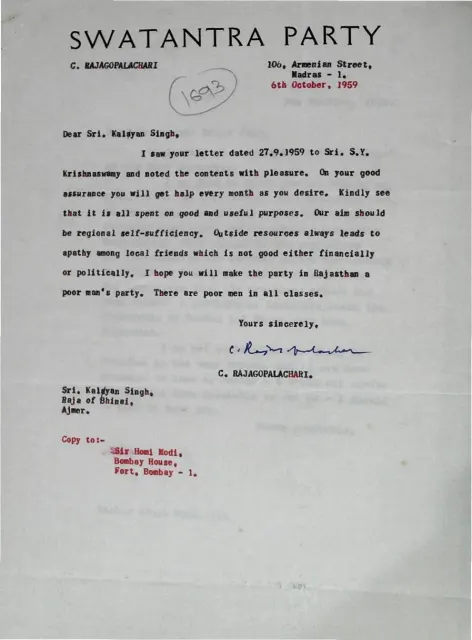
Letter to Mr Kalayan Singh
1959 · letter
-
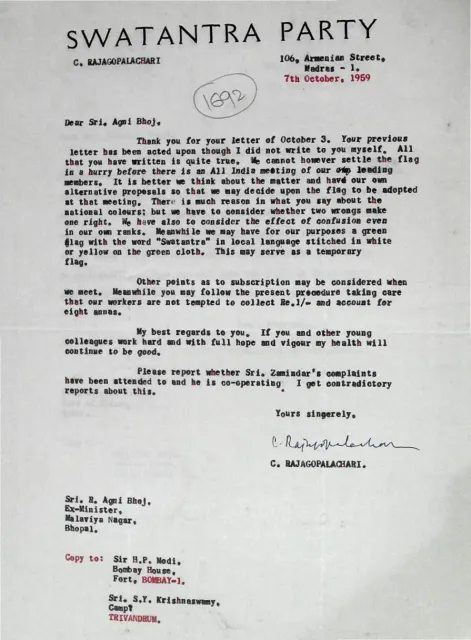
Letter to Mr R Agni Bhoj
1959 · letter
-
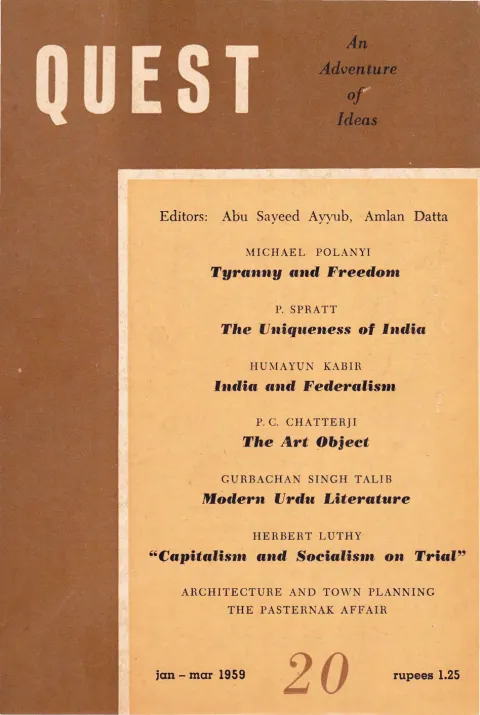
Quest
1959 · periodical issue
-
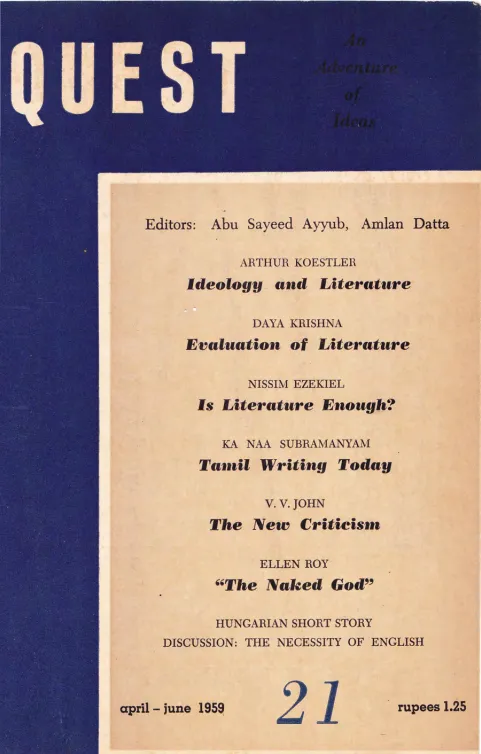
Quest
1959 · periodical issue
-
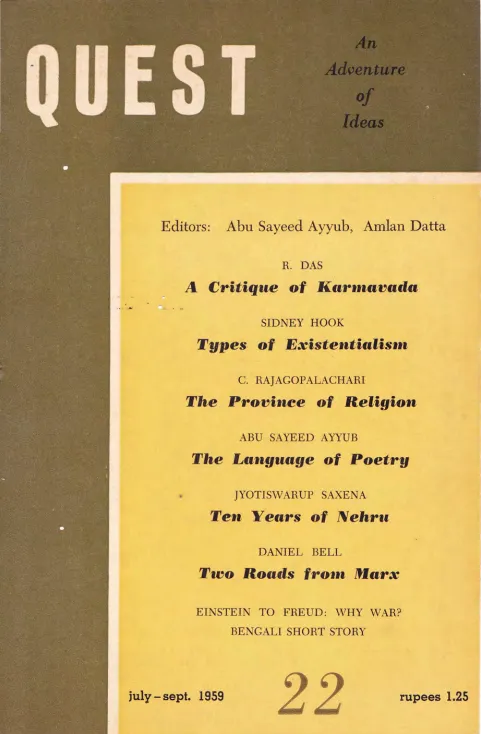
Quest
1959 · periodical issue
-
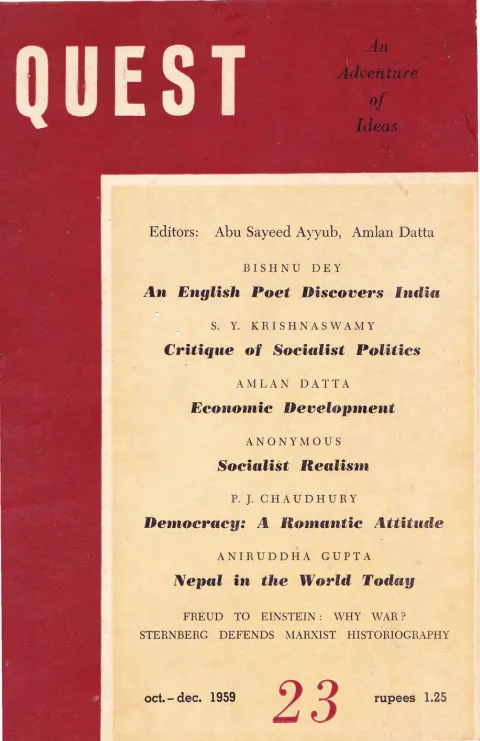
Quest
1959 · periodical issue
-
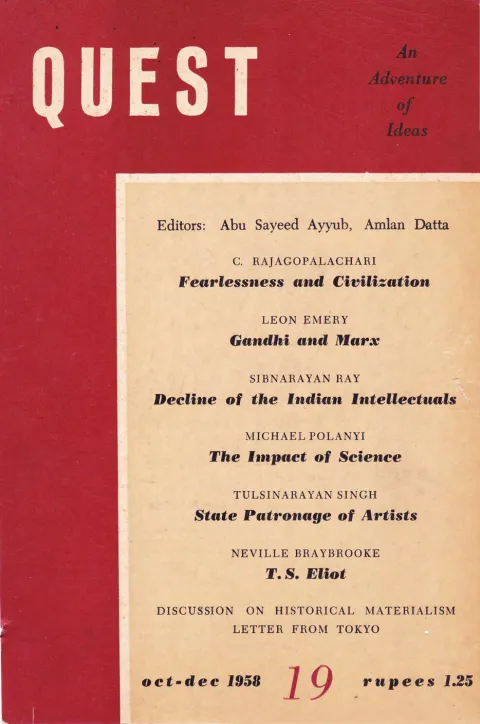
Quest
1958 · periodical issue
-
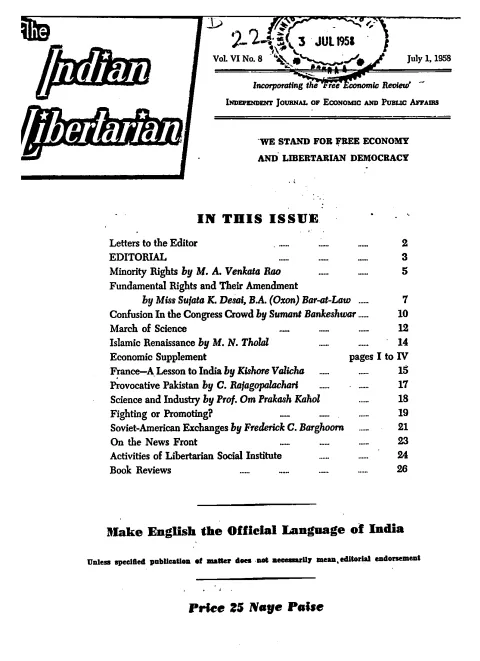
The Indian Libertarian
1958 · periodical issue
-
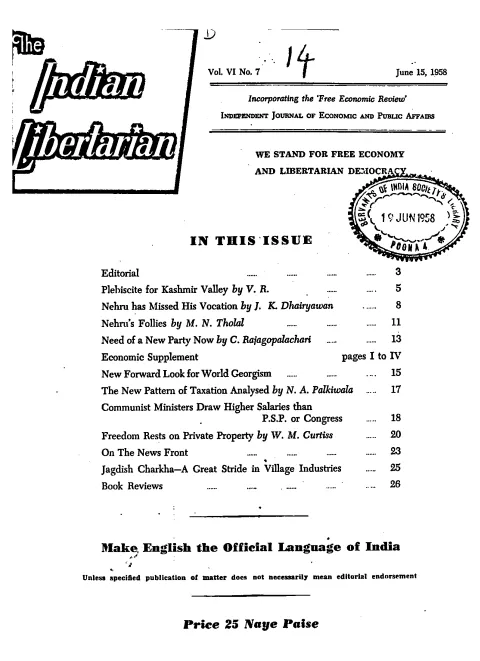
The Indian Libertarian
1958 · periodical issue
-
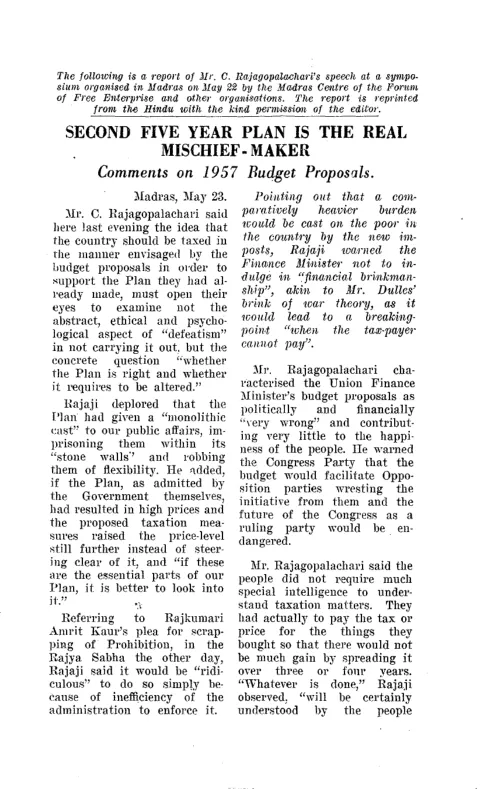
SECOND FIVE YEAR PLAN IS THE REAL MISCHIEF-MAKER
1957 · speech
-
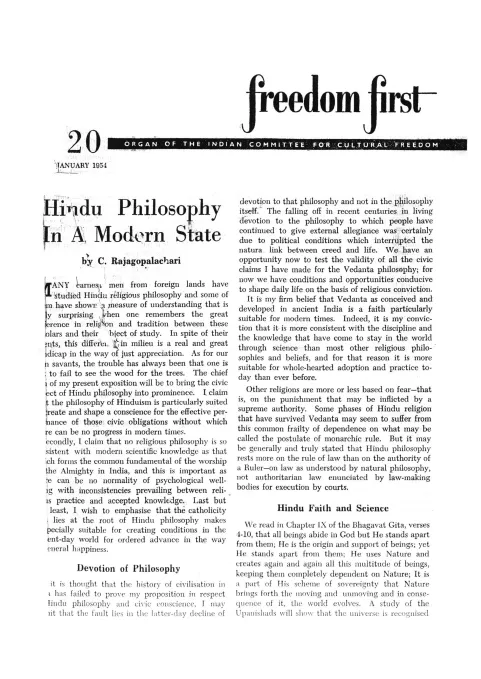
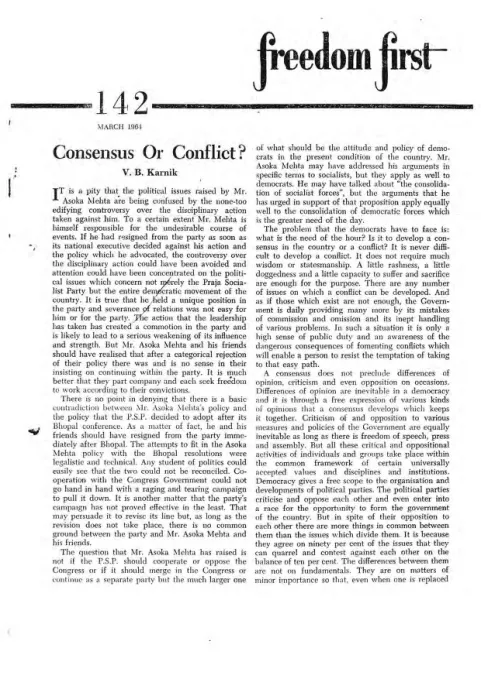
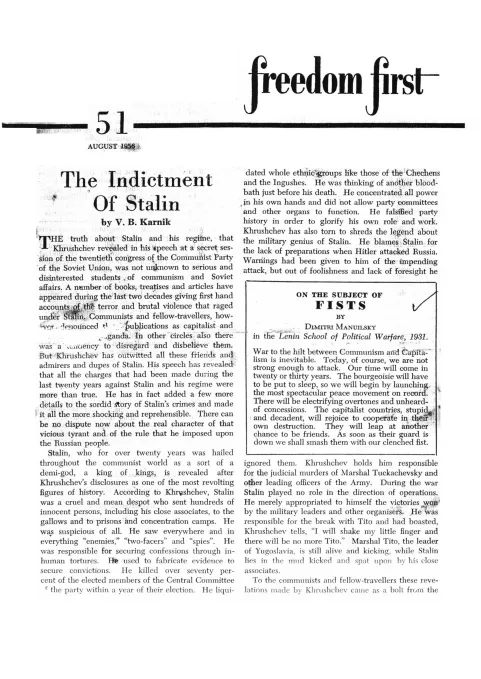
Freedom First
1954 · periodical issue
-
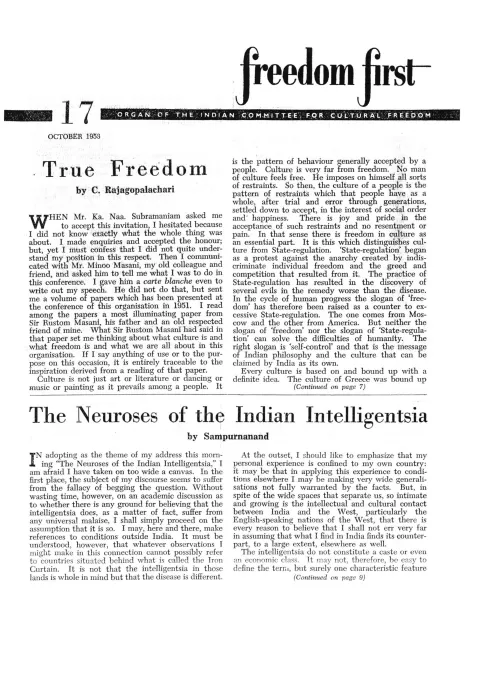
Freedom First
1953 · periodical issue
-

Towards a Responsible Press
1952 · book
-
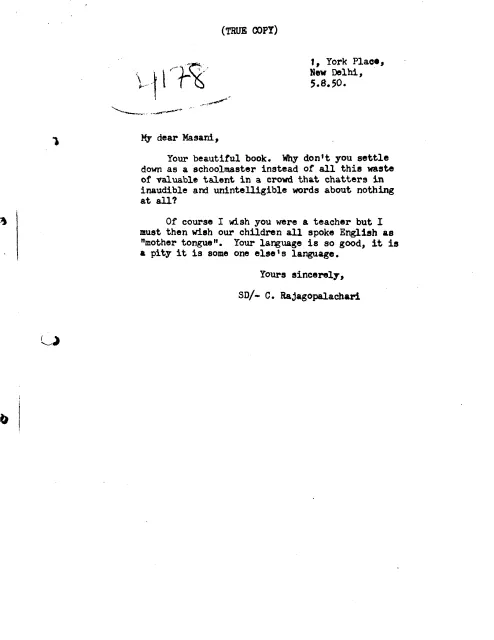
Letter to Mr Minoo Masani
1950 · letter
-
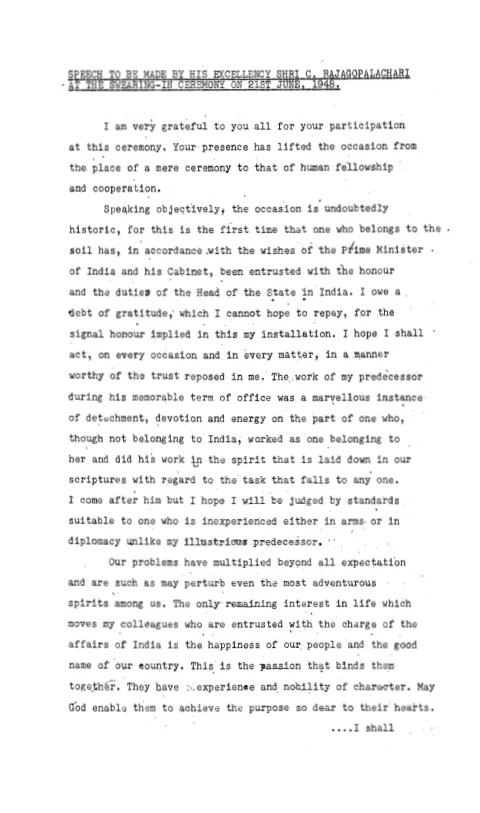
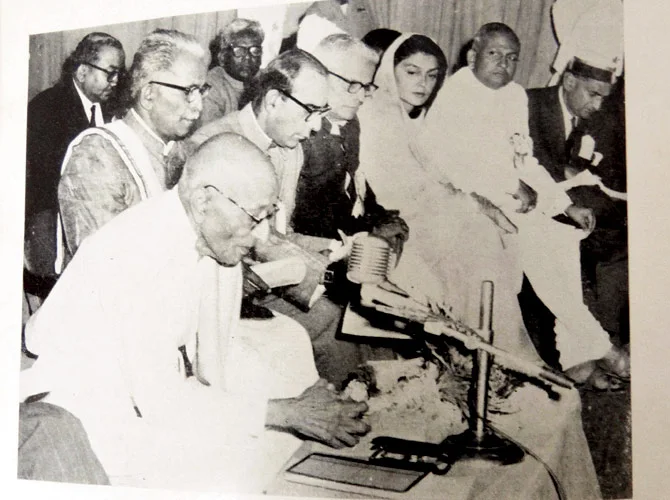
Speech to be Made by His Excellency Shri C. Rajagopalachari at the Swearing-In Ceremony on 21st June, 1948
1948 · speech
-
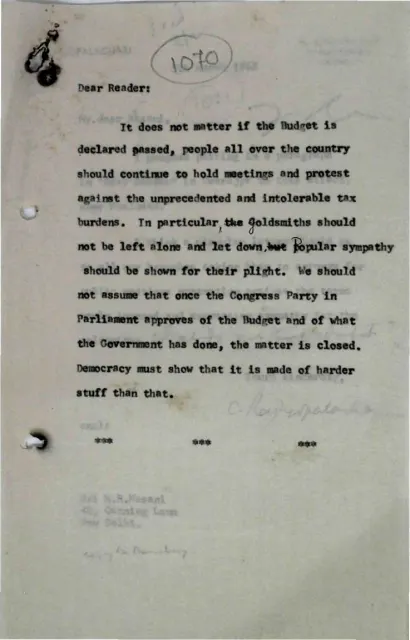
Letter About Budget Passed
n.d. · letter
-
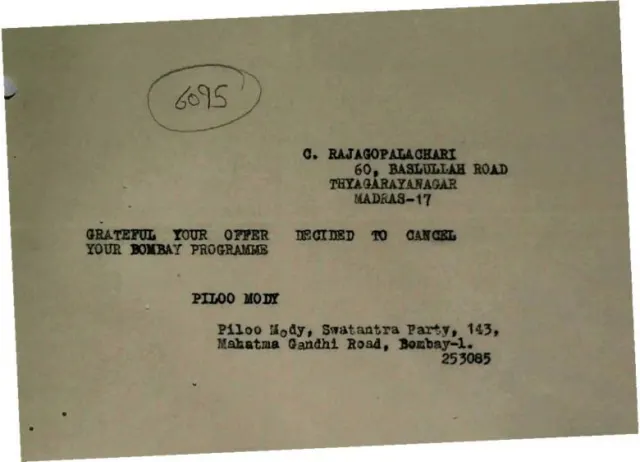
Letter to C Rajagopalachari
n.d. · letter
-
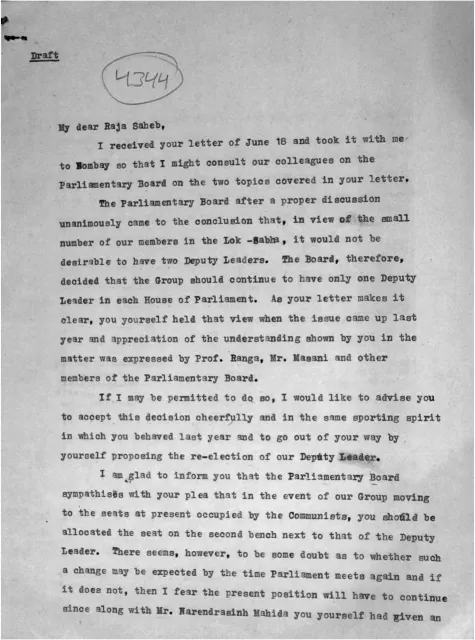
Letter to P K Deo
n.d. · letter
-

SATYAM EVA JAYATE
n.d. · book
-
Social and Religious Decay
n.d. · essay
-
SOCIAL AND RELIGIOUS DECAY
n.d. · pamphlet
-
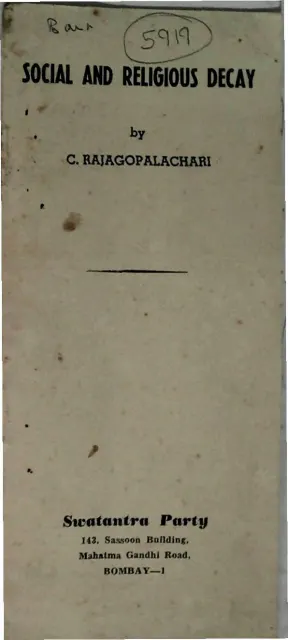
SOCIAL AND RELIGIOUS DECAY
n.d. · pamphlet
-
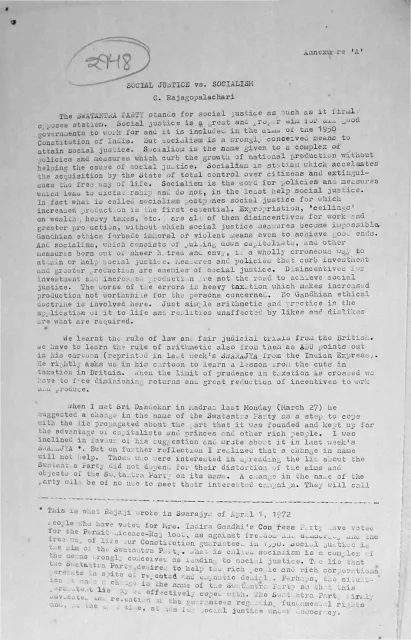
SOCIAL JUSTICE vs. SOCIALISM
n.d. · essay
-
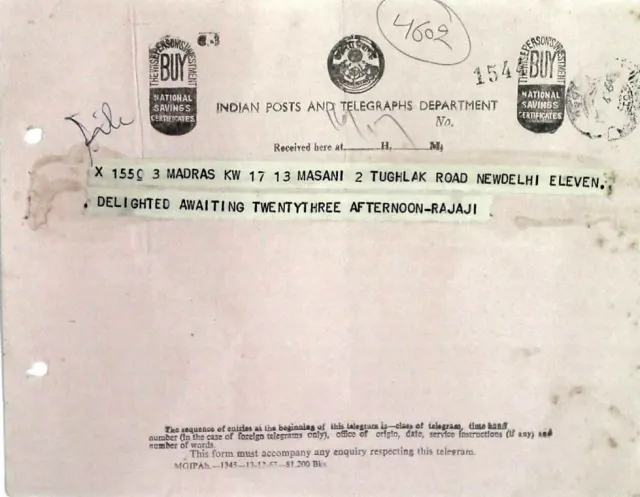
Telegram to Mr Minoo Masani
n.d. · telegram
-
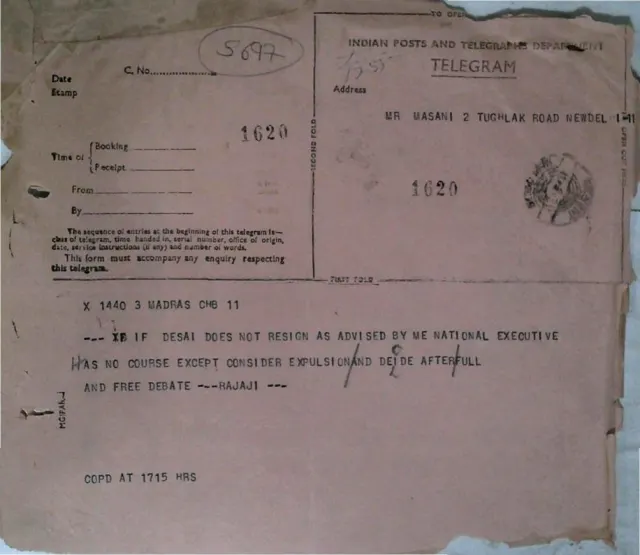
Telegram to Mr Minoo Masani
n.d. · telegram
Nothing here matches. Clear the search or remove some filters.
Matches inside C. Rajagopalachari's works and pages
Excerpts (4)
Short passages from the archive associated with C. Rajagopalachari. An excerpt may be a quoted passage, a summary, or an editorial description, so these are kept separate from the works C. Rajagopalachari authored.
About C. Rajagopalachari (3)
Interviews (1)
Profile pieces (2)
-
 C. Rajagopalachari's Thoughts on Culture
 - "Chakravarti Rajagopalachari (1878-1972) was one of the greatest scholars of twentieth-century India. He was a multifaceted personality." · establishes Rajaji's stature and historical importance
-
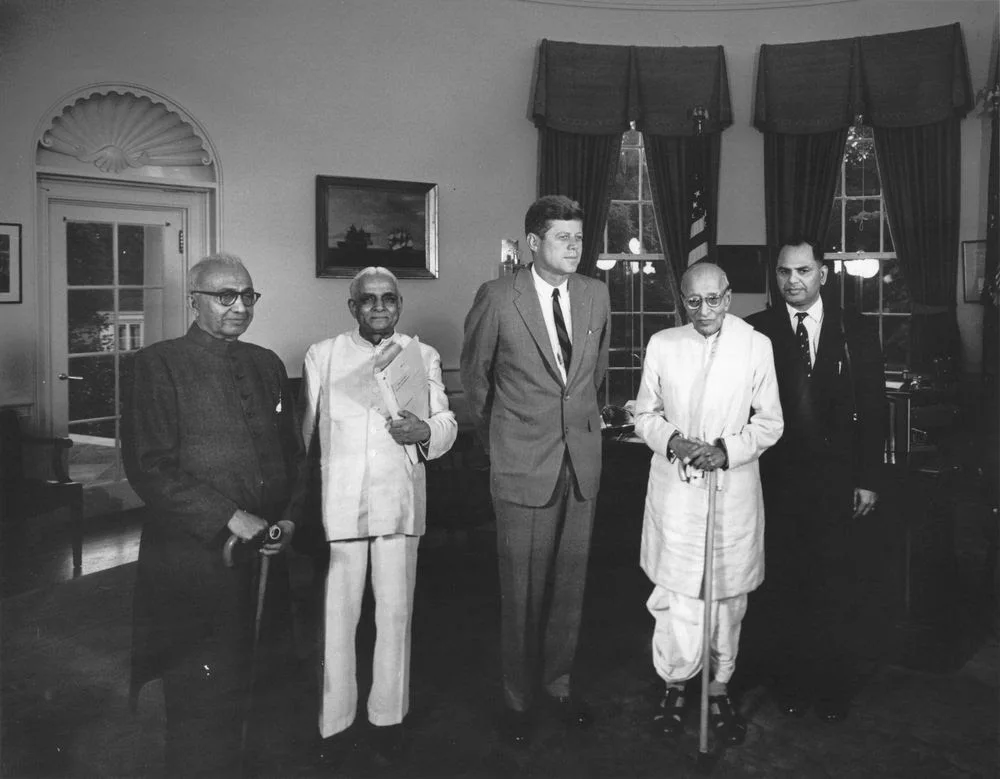 Rajaji's Views on Nuclear Bomb
 - "he was deeply concerned about the possible radioactive fallout of nuclear testings and saw with derision the mad specter of nuclear brinkmanship between the two superpowers." · captures Rajaji's core anxiety about the nuclear arms race
- "A trusted lieutenant of Gandhi in days of anti-colonial struggle, he reinvented himself as an anti-nuclear weapons activist as the Cold war picked pace." · frames Rajaji's intellectual reinvention as an anti-nuclear voice
Mentioned in (260)
Primary works (238)
- The Case for Liberalism in Indian History · 2020
- "Rajaji obviously talked about free markets, completely markets, laissez faire in very different context, but very similar ideas." · Shah anchors free-market thought in India to Rajaji.
- D R Pendse on the Indian Liberal Tradition · 2016
- "when you say Rajaji, I never met Rajaji, I do not really know." · Pendse acknowledging personal distance from Rajaji
- "He wanted to see how he can get across the laws and all that sort." · Pendse characterising Rajaji's political-legislative orientation

Show all 238
- Fifty Years After ... · 1997
- "He quotes B. K. Nehru on the divergence between the constitutional values of founders like Nehru, Patel, and Rajaji and the values of today's rulers (Laloo, Jayalalitha, Mulayam Singh)." · Rajaji named among the founding constitutional exemplars contrasted with today's rulers
- FREE MARKET ECONOMY —Key to Economic Progress and Freedoms · 1982
- "indicts the "permit-licence-quota raj" that Rajaji had named" · Palkhivala's preface attributes the booklet's signature anti-statist epithet to Rajaji
- FREE MARKET ECONOMY —Key to Economic Progress and Freedoms · 1982
- "attacks the "permit-licence-quota raj" that Rajaji had named" · Palkhivala's framing borrows Rajaji's slogan to attack interventionism
- "Palkhivala's introduction reinforces the address with Rajaji's "permit-licence-quota raj"" · key-points restatement of the same Rajaji-derived rhetorical anchor
- INDIA'S FOOD PROBLEM · 1973
- "what Rajagopalachari called transferring blood from the right arm to the left." · Rajaji's metaphor is the rhetorical hammer Shenoy uses against the domestic-buffer claim
- "Dismisses domestically-built 'buffer' stocks as a mere transfer of pipe-line inventory, quoting Rajagopalachari's image of transferring blood from the right arm to the left." · key-points restatement of the Rajaji quote
- Indian Planning at the Cross-Roads · 1965
- "more selective control of capital issues, illustrated by Rajaji's quip about a cure that killed the patient's wife" · Rajaji is invoked by G. L. Mehta as the witty authority against blanket capital-issues control
- "Calls for selective capital-issues control rather than blanket restraint; cites Rajaji on cures killing the patient" · key-points restatement of Mehta's use of Rajaji
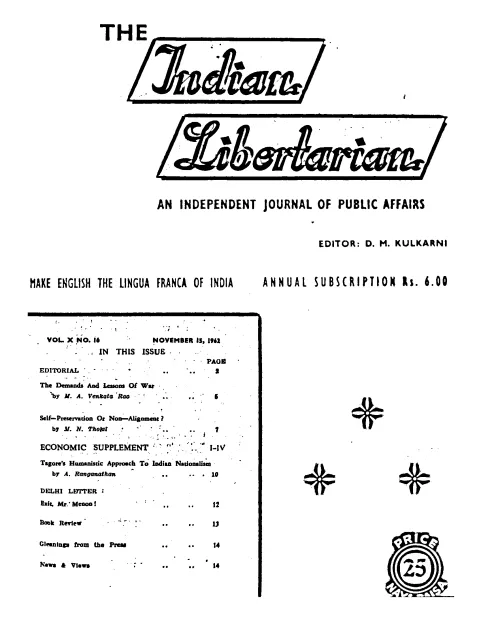
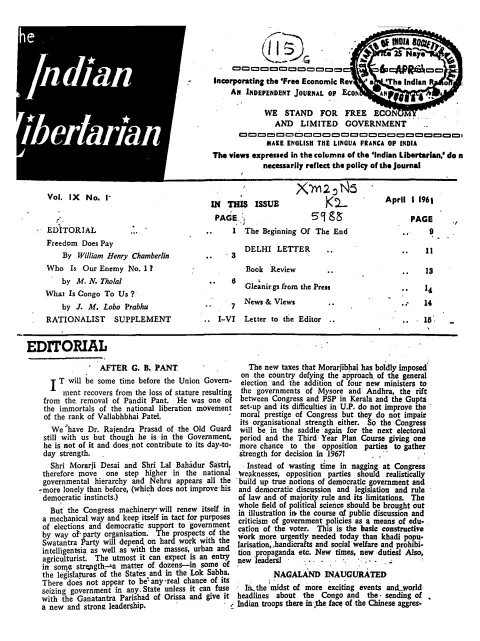
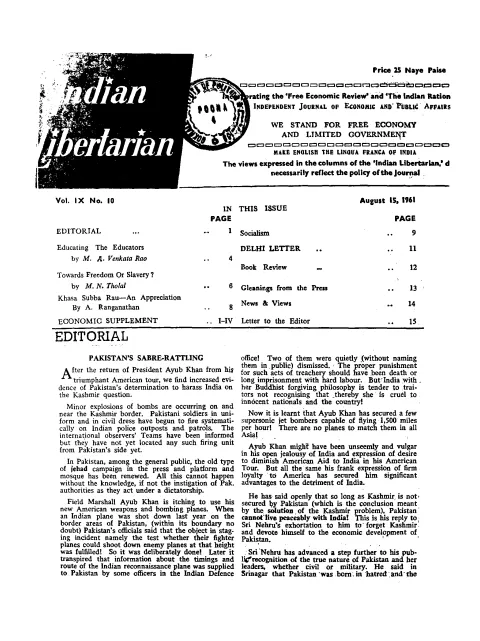
- The Indian Libertarian · 1963
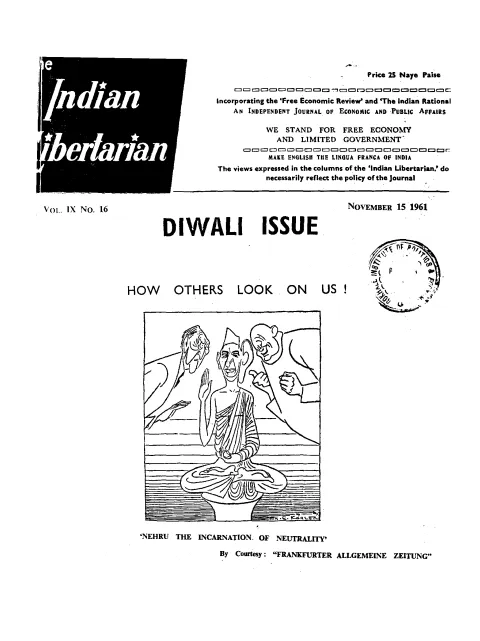
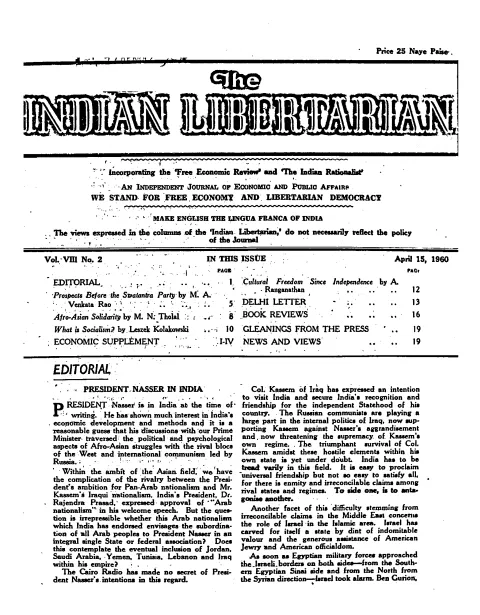
- "A further item reports Rajaji (C. Rajagopalachari) calling for India to lead the 'Afro-Asian camp' rather than outsource that leadership to Nkrumah or Nasser." · News-and-Views item placing Rajaji's foreign-policy intervention inside the issue
- "Rajaji advocates India taking leadership of the Afro-Asian bloc rather than ceding it to Nkrumah or Nasser." · key-point restatement of Rajaji's call to action
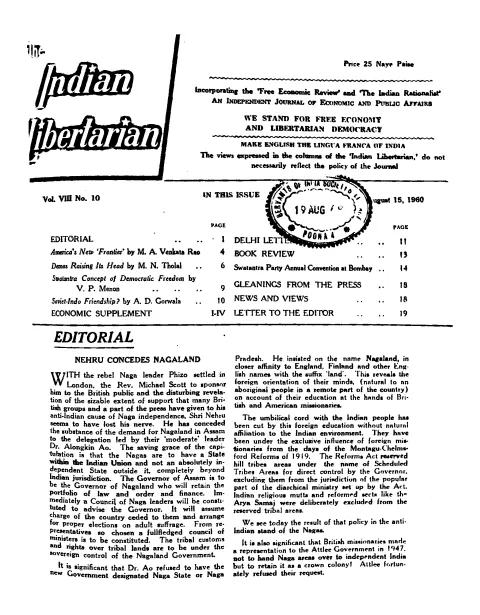
- CONTROLS AND FREEDOM · 1960
- "Rajaji's lifting of food rationing in Madras" · Rajaji's action in Madras is presented as a real precedent for dismantling peacetime controls
- "Cites Rajaji's abolition of food controls in Madras as a concrete demonstration that Indian leaders capable of dismantling the apparatus do exist" · Rajaji exemplifies the political will to dismantle the control raj
- ENLIST CO-OPERATION OF PRIVATE ENTERPRISE · 1959
- "he welcomes Rajagopalachari's announcement of a new independent democratic party (with Jayaprakash Narayan's qualified blessing and Nehru's recognition that constructive criticism would serve Congress)" · Rajagopalachari's announcement frames Rama Rau's call for a credible democratic opposition








Opinion pieces (8)
- Acharya N G Ranga: The Farmer’s Friend and Swatantra Party Stalwart
- "Rajaji invited NG Ranga to take up the position of President of Swatantra party." · Rajaji's recruitment of Ranga establishes the partnership at the heart of the Swatantra Party's founding era
- India's Nuclear Ambitions: Minoo Masani as a Liberal Peacenik
- "Rajaji's vigorous campaign for the nuclear test ban has been discussed in some detail here" · introducing Rajaji as the complementary Swatantra voice on nuclear policy alongside Masani
- "He disagreed with the logic of the balance of threat and was deeply worried about the repercussions of nuclear rivalry for human security" · capturing Rajaji's moral-pacifist grounds for opposing nuclear weapons development
- Homi Mody’s Liberalism: From Pro-Business to Pro-Market
- "Calumny has had a start, and it keeps on maintaining the falsehood that the Swatantra Party is a rich men's lobby" · Rajaji's direct refutation of the charge used to dismiss Mody's party role
- Minoo Masani : From Socialism to Liberal Swatantra Party
- "His active leadership of Congress Socialist Party (CSP) turned both Sardar Patel and C Rajagopalachari against him." · early antagonism arising from Masani's socialist phase
- "Masani persuaded Rajaji to lead the new political party." · key moment of coalition in the Swatantra founding
- Piloo Mody: Swatantra’s Witty Parliamentarian
- "the death of Rajaji and subsequent defeat of the party in 1971 led to an existential crisis." · Rajaji's death is listed alongside the 1971 defeat as twin blows to Swatantra's viability
- Swatantra Party : A Big Tent Challenge to Congress Hegemony
- "Rajaji was a veteran Gandhi disciple turned dissident Congressman who had earlier served as the Chief Minister of Madras and the Home Minister of India." · establishes Rajaji's political credentials as Swatantra's senior figurehead
- Tanguturi Prakasam Panthulu: A Visionary Leader and pioneer of Press Freedom
- "Khasa Subbarao, freedom fighter and journalist, started a magazine with the patronage of C Rajagopalachari and named it "Swarajya" magazine" · Rajagopalachari cited as the institutional patron who enabled continuation of Prakasam's journalistic tradition
- The Swatantra Way for Forging a Formidable Coalition
- "However, the other founding member of the Swatantra Party - Rajaji, was ready to 'ally with the devil himself' to defeat the Congress." · captures Rajaji's more pragmatic and less principled approach to electoral alliances
- "According to S. V. Raju, Masani and Rajaji were two liberals who agreed on nine out of ten things. Yet on an issue as crucial as the coalition policy of the Swatantra Party, they were rarely on the same page." · frames the Masani-Rajaji disagreement over alliances as the central strategic tension

Excerpts (8)
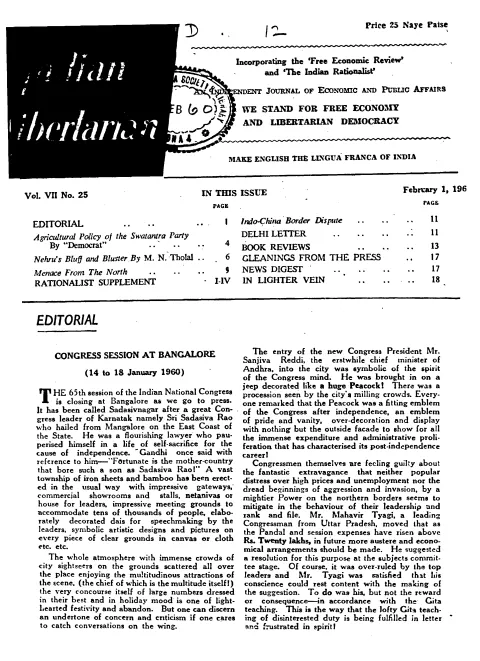
- Agricultural Policy of Swatantra Party
- "the formation of the Swatantra Party under the aegis of Sri C. Rajagopalachari and the initiative of the All India Agriculturists' Federation." · Rajagopalachari's role as founding patron of the Swatantra Party is cited as the institutional response to Nehru's land reforms
- Controls and Freedom
- "Rajaji abolished food control and rationing in one bold sweep when he was Chief Minister of Madras." · Rajaji's Madras experiment is the positive case study that the author contrasts with the expansion of controls elsewhere
- Sharad Joshi on Liberalism in India
- "Rajaji was fond of quoting a Gujarati proverb meaning, 'Where the king is a trader his subjects are paupers'." · Joshi attributes this economic aphorism to Rajaji to illustrate the polycentric ethos he is trying to recover
- Sikkim – Through Other Eyes
- "The camp boasted the likes of Jayprakash Narayan, C Rajagopalachari, and Minoo Masani." · Rajaji named as one of three liberal dissenters against Indian imperial overreach
- "Rajaji led the delegation to President Kennedy advocating nuclear non-proliferation." · specific action attributed to Rajaji as part of the dissenting liberal foreign policy stance
- Swatantra Party: 64th Foundation Year
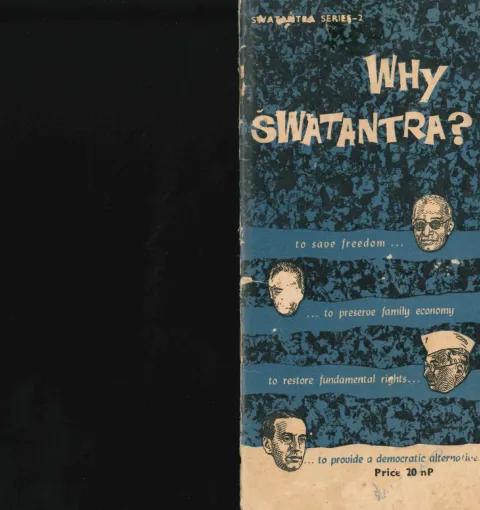
- ""Why Swatantra" is a conjoined effort of C Rajagopalachari, N G Ranga, K M Munshi and Minoo Masani" · Rajagopalachari identified as co-author of the Swatantra Party's founding manifesto
- "The Swatantra Party stands for the protection of the individual citizen against the increasing trespasses of the State." · opening line of Rajagopalachari's own section 'To Save Freedom' in the manifesto
- THE DANGERS OF JOINT CO-OPERATIVE FARMING
- "people as diverse as Shri C. Rajagopalachari, Shri K. M. Munshi, Shri Jaya Prakash Narayan and many others who have said that." · Rajaji cited as part of a broad coalition of credible critics who oppose cooperative farming
- The Swatantra Economy : Obstacles and Challenges
- "Prof. Gangadhar Gadgil who was invited to deliver the Rajaji Birthday Lecture in 1994, by the Rajaji Foundation." · Rajaji named as the founding figure in whose honour this lecture series was established
- "Rajaji and those like Minoo Masani who shared his views stand vindicated. A Swatantra economy is enlarging and is taking shape." · Rajaji's liberal economic vision declared vindicated by post-1991 liberalisation
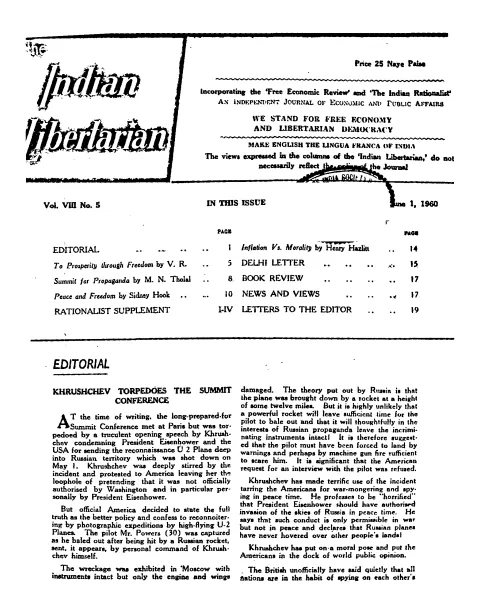
- To Prosperity through Freedom
- "Mr. C. Rajqopalachari has nailed his Fourteen Points on the door of the Ruling Party in the crucial challenge" · opening analogy likening Rajaji's challenge to Luther's Ninety-Five Theses
- "the challenging speeches of Sri C. Rajagoalachari, Mr. M. R. Maoani, Mr. K. M. Muhani, Prof. Ranga" · listing Rajaji among the Swatantra voices initiating a national debate on socialism versus democratic freedom