constitutional liberal
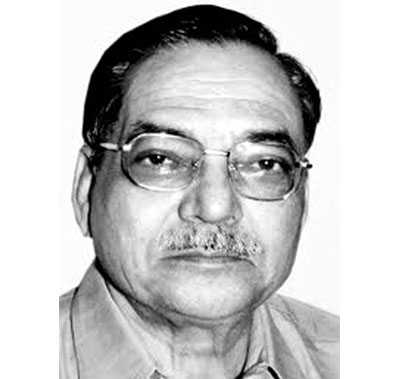
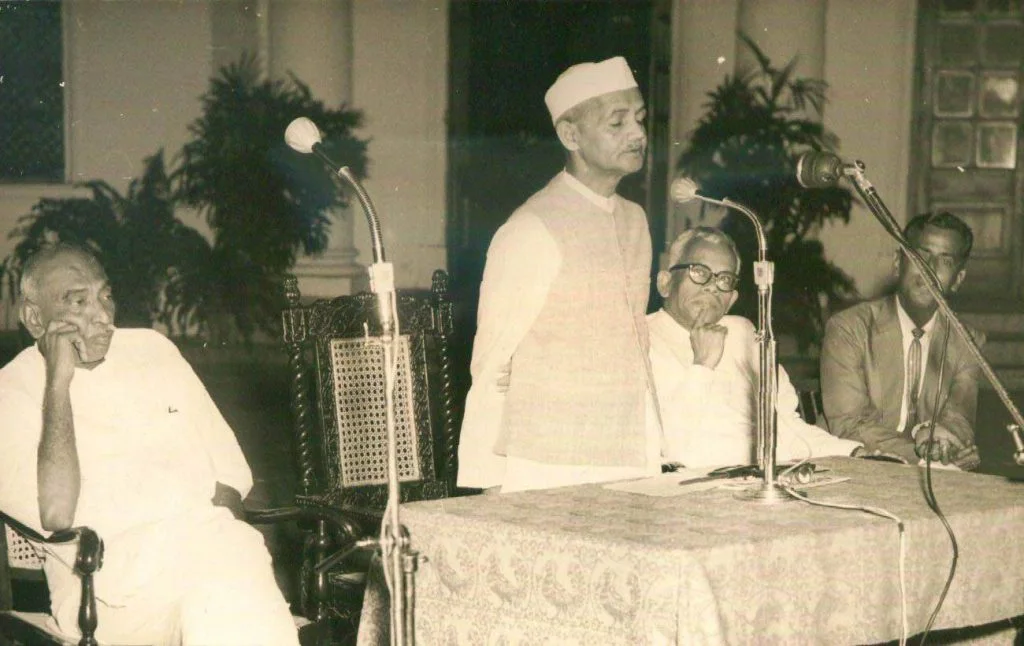
Lal Bahadur Shastri
1904–1966
Also known as: लालबहादूर शास्त्री, Shastri
How Lal Bahadur Shastri is discussed in this archive
Referenced in 7 other works , including Defence & Development with Stability , India Needs A Practical Economic Policy , and India's Nuclear Ambitions: Minoo Masani as a Liberal Peacenik .
In Defence & Development with Stability : Shroff endorses Shastri's 'economic commonsense' — specifically his call for a shift back to agriculture and consumer-goods industries and his rejection of runaway inflation — as the kind of pragmatic leadership the country needs.
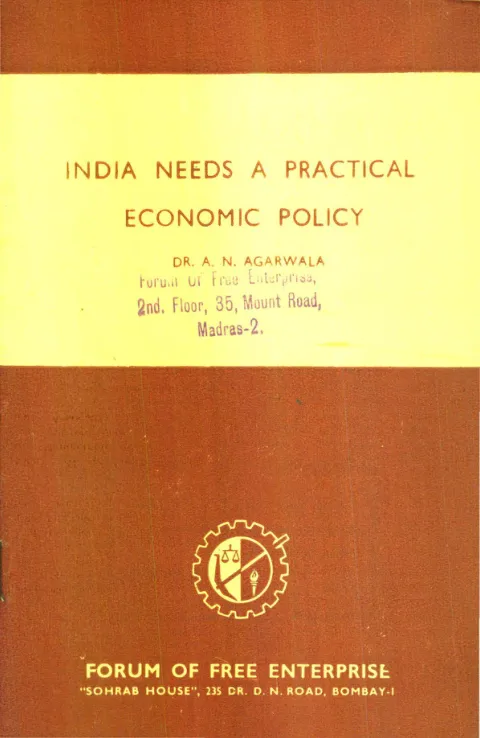
In India Needs A Practical Economic Policy : Agarwala aligns his presidential address with Prime Minister Shastri's New Economic Policy — welfare of the common man, manageable plan size, food urgency and quick-yielding projects — treating it as the pragmatic frame his own diagnosis demands.
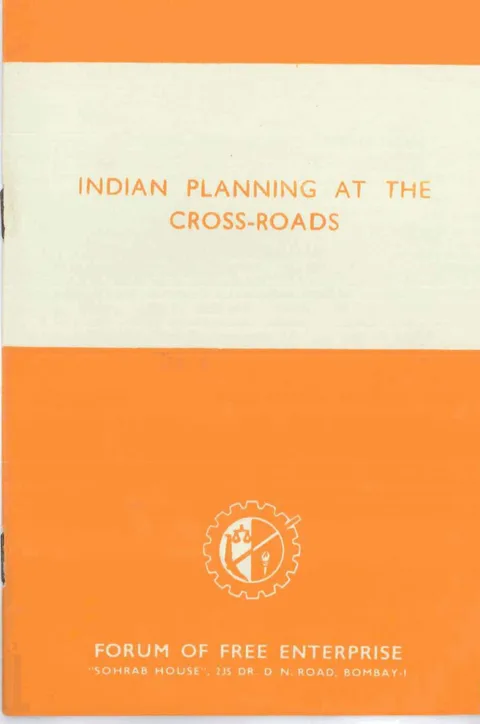
In Indian Planning at the Cross-Roads : Santhanam argues that Lal Bahadur Shastri's first year in office has stabilised the country and that the immediate task is plan consolidation rather than fresh expansion — using Shastri's stabilisation as the political ground for his one-year Third-Plan extension.
In India's Nuclear Ambitions: Minoo Masani as a Liberal Peacenik : Lal Bahadur Shastri is noted as the PM under whom Masani's economic objection to the nuclear bomb aligned with official government policy, situating Masani's position within the mainstream of the mid-1960s policy debate.
In The Aborted Promise of Economic Liberalisation in Mid-1960s : Shastri's tenure as PM is the central historical episode of the essay, his pragmatic economic opening is examined in detail as an aborted liberalisation attempt.
Mentioned in (60)
Primary works (56)

Show all 56
- Defence & Development with Stability · 1965
- "Shroff endorses Lal Bahadur Shastri's 'economic commonsense', cites M. C. Chagla's disclosure of bureaucratic delay over an International Students' Hostel" · Shastri is cited as a political leader whose pragmatism contrasts favourably with Soviet-style planning orthodoxy
- "Endorses Lal Bahadur Shastri's call for a shift back to agriculture and consumer-goods industries and his rejection of runaway inflation" · Shastri's policy positions are used to legitimise the anti-planning argument from within the government itself
- India Needs A Practical Economic Policy · 1965
- "Agarwala then aligns himself with Prime Minister Lal Bahadur Shastri's New Economic Policy" · summary's pivot from diagnosis to programme: Shastri's policy is the political anchor Agarwala adopts
- "Endorses PM Lal Bahadur Shastri's New Economic Policy and its emphasis on the common man's welfare, a manageable Fourth Plan, quick-yielding projects, and better implementation machinery." · key-points reprise of the Shastri endorsement
- Indian Planning at the Cross-Roads · 1965
- "Santhanam's piece — reprinted with the Editor's permission from the Statesman of 24 July 1964 — argues that Lal Bahadur Shastri's first year in office has stabilised the country and that the immediate task is plan consolidation rather than a fresh round of expansion." · Shastri's stewardship is Santhanam's political ground for plan consolidation
Opinion pieces (2)
- India's Nuclear Ambitions: Minoo Masani as a Liberal Peacenik
- "Masani stressed butter in the classic guns versus butter debate as it corresponded to India's nuclear policy under the PM Lal Bahadur Shastri" · Masani's anti-bomb stance placed in the context of Shastri's contemporary policy preference for economic development over nuclear weapons
- "On the other hand, both the influential nuclear scientist Homi Bhabha and the right-wing Bhartiya Jan Sangh made the case for an Indian nuclear bomb" · establishing Shastri's and Masani's shared de facto position against the pro-bomb lobby
- The Aborted Promise of Economic Liberalisation in Mid-1960s
- "Shastri's appointment as the PM was welcomed by the business community for his non-ideological, pragmatic approach and connections with the business class." · characterises Shastri's economic orientation upon assuming office
- "The first concrete step for liberalisation under Shastri came in the summer of 1964 when he announced in Parliament his intention to reconsider controls in general." · marks Shastri's first liberalisation move
Excerpts (2)
- Sharad Joshi on The Tragedy of Being a Farmer in India
- "In the 1950s, Lal Bahadur Shastri's slogan of ' Jai lawan, Jai Kisan' and the accompanying Green Revolution started two processes:" · Joshi credits Shastri's slogan as the promise that was never honoured for the farmer community
- Sikkim – Through Other Eyes
- "Parliamentary delegation sent there by Prime Minister Lal Bahadur Shastri, to do my bit in helping Mr Shastri and his Government to bring about a better awareness in Parliament about the case of the Naga people." · Shastri cited as the Prime Minister who authorised the Naga mediation effort