non liberal
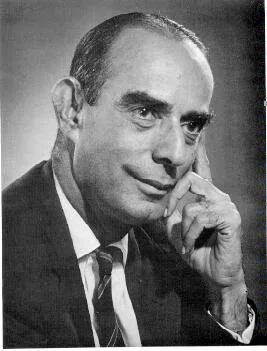
Abraham Lincoln
1809–1865
Also known as: Lincoln, अब्राहम लिंकन
How Abraham Lincoln is discussed in this archive
Referenced in 11 other works , including Report , IS SOCIALISM THE RIGHT PATH? , and Economic Democracy .
In Report : Prabhu opens his judicial-reform position paper by invoking Lincoln's definition of democracy — paired with Palkhivala's lament — to frame India's judicial crisis as a failure of the three constitutional pillars to uphold the Rule of Law.
In Economic Democracy : Tarlton uses Lincoln's formulation 'government of the people by the people for the people' as the definitional model for liberal democracy, against which Nehru's extension into socialist planning is rejected.
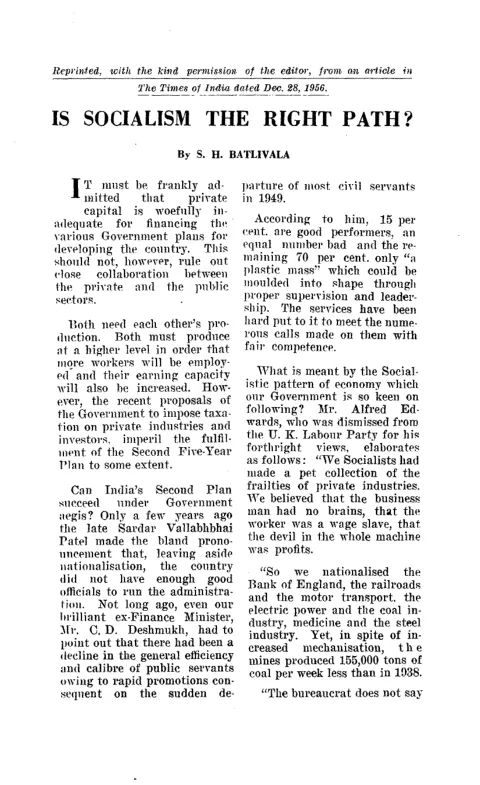
In IS SOCIALISM THE RIGHT PATH? : Batlivala uses the brevity of Lincoln's Gettysburg Address (266 words) as one term in his signature comparison against the verbosity of socialist regulation — alongside the Ten Commandments and the Declaration of Independence versus a 26,911-word U.S.
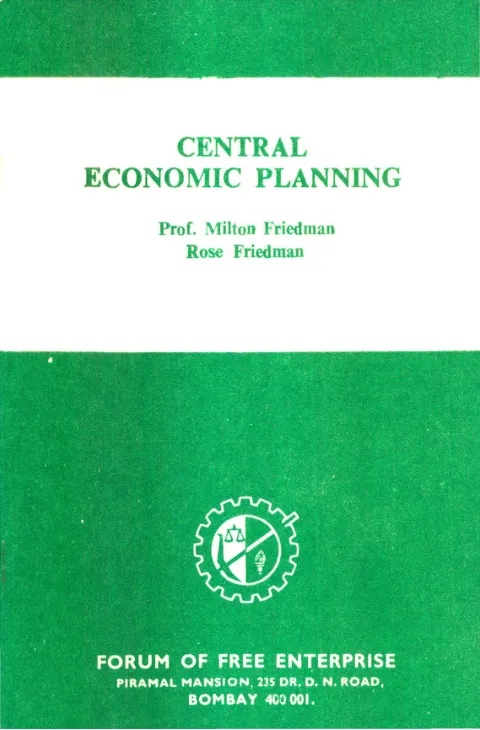
In Central Economic Planning : The Friedmans invoke Abraham Lincoln's 'House Divided' speech to argue that an economy split between collectivist and free tendencies will ultimately fall to the collectivist side.
In Dangerous Counter Philosophy - Piloo Mody : Lincoln is invoked alongside multiple US presidents to illustrate a trans-partisan American tradition of warning against the political dangers of concentrated economic power.
Mentioned in (58)
Primary works (50)
Show all 50
- Report · 2005
- "Drawing on Lincoln's definition of democracy and Palkhivala's lament that Indians received a Constitution but not the ability to cherish it, Prabhu frames the crisis as a failure of all three constitutional pillars — Legislature, Judiciary, and Executive — to uphold the Rule of Law" · Prabhu pairs Lincoln's definition with Palkhivala's lament as the moral-political framing of the paper
- "Prabhu opens by invoking Lincoln and Palkhivala to argue that India has a Constitution but has failed to develop the capacity to cherish or enforce it." · key-points reprise positions Lincoln as Prabhu's opening democratic authority
- Economic Democracy · 1969
- "Lincoln's formulation, "government of the people by the people for the people," is offered as the model, and Nehru's preferred extension of this idea into the economic sphere — socialist planning and public-sector expansion — is rejected" · Lincoln's democratic formula is the liberal benchmark against which Congress's socialist experiment is measured and found wanting
- IS SOCIALISM THE RIGHT PATH? · 1956
- "the Ten Commandments run to 297 words, Lincoln's Gettysburg address to 266, the Declaration of Independence to 300, while the U.S. Office of Price Stabilisation's order regulating cabbage prices runs to 26,911." · Lincoln's Gettysburg is one of the canonical-text comparators in Batlivala's case that controls breed verbosity
- "Batlivala's signature comparison contrasts the brevity of the Ten Commandments (297 words), Lincoln's Gettysburg Address (266) and the Declaration of Independence (300) with a 26,911-word U.S. Office of Price Stabilisation order regulating cabbage prices, as evidence that controls breed verbosity." · key-points restatement of the Lincoln-Gettysburg comparator
- Central Economic Planning · n.d.
- "The authors invoke Abraham Lincoln's 'House Divided' speech to argue that a divided economy will fall to the collectivist side" · 'Controls and Freedom' section pivoting to the United States; Lincoln's metaphor is the rhetorical frame for the Friedmans' warning about expanding government

Excerpts (7)
- Dangerous Counter Philosophy - Piloo Mody
- "whether it was Abraham Lincoln the legislator or Abraham Lincoln the President, whether it was Woodrow Wilson or Franklin Roosevelt- all felt compelled to warn and expose the danger monopoly capital presented to democratic society." · Lincoln is part of a roster of US presidents cited to ground the anti-monopoly argument in authoritative historical precedent
- Democracy Means Bread And Freedom
- "whether it was Abraham Lincoln the legislator or Abraham Lincoln the President, whether it was Woodrow Wilson or Franklin Roosevelt- all felt compelled to warn and expose the danger monopoly capital presented to a democratic society." · Lincoln leads the list of presidential voices cited to show that concern about concentrated economic power is a bipartisan democratic tradition
- Economic Growth with Social Justice
- "As Abraham Lincoln rightly said, the people would be able to face any crisis, provided only the correct facts were made known to them." · Lincoln's aphorism is cited to argue that public education, not just commerce, is the liberal's primary obligation in a democracy
- Homi Mody: Free Enterprise & Foreign Exchange
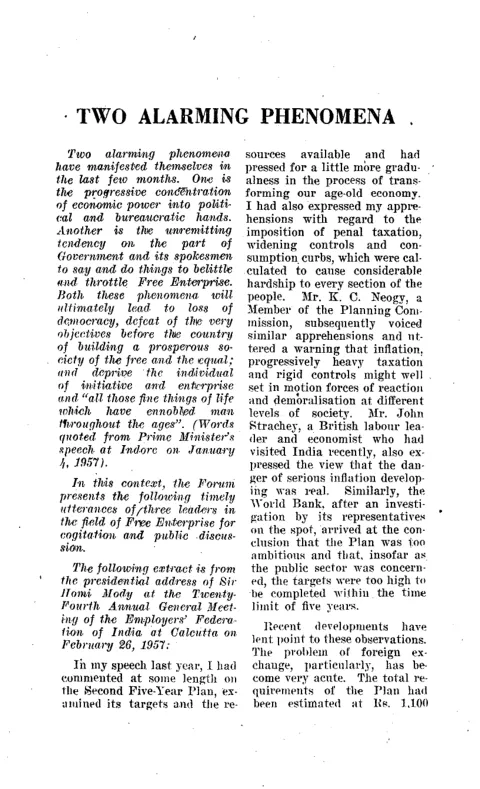
- "it may be profitable to recall a dictum of Abraham Lincoln" · Mody summons Lincoln as the closing authority for his argument against unlimited State power
- Planning by Minoo Masani
- "Abraham Lincoln described it as government of the people, by the people and for the people. This is the only kind of government which can be trusted with a Plan of this kind." · Lincoln's definition is invoked as the standard a democratic government must meet before it can legitimately plan the economy
- The Universality of Human Values - M.R. Masani
- "If it was true in the time of Abraham Lincoln that no nation could be half slave and half free, it is equally true today in this shrinking world" · closing rhetorical flourish extending Lincoln's Civil War maxim to the Cold War global context
- The Universality Of Human Values
- "If it was true in the time of Abraham Lincoln that no nation could be half slave and half free, it is equally true today in this shrinking world" · concluding analogy extending Lincoln's Civil War framing to the global Cold War