classical liberal
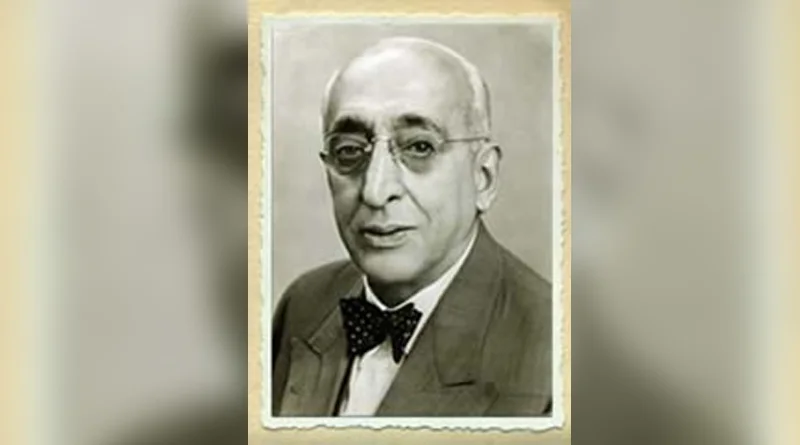
Sir Homi Mody
How Sir Homi Mody is discussed in this archive
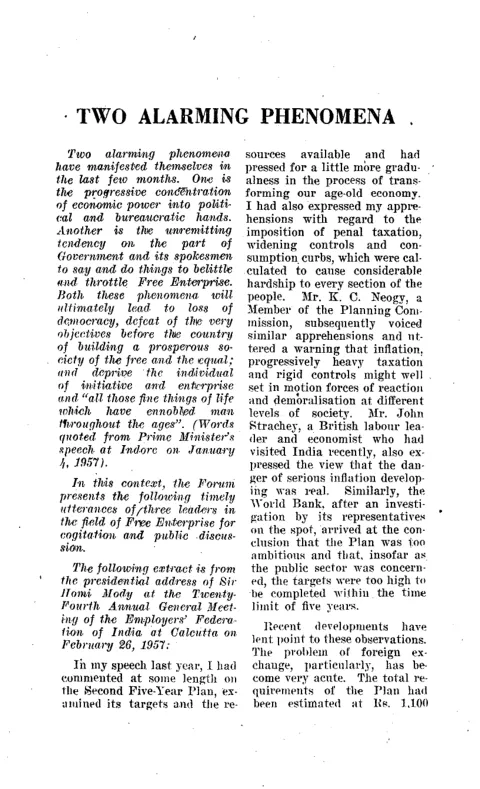
Authored 1 work in the archive.
Subject of 1 profile piece , including Homi Mody’s Liberalism: From Pro-Business to Pro-Market .
Referenced in 3 other works , including A Review of Current Economic Problems , Piloo Mody: Swatantra’s Witty Parliamentarian , and Swatantra Party : A Big Tent Challenge to Congress Hegemony .
In A Review of Current Economic Problems : Sir H.
In Piloo Mody: Swatantra’s Witty Parliamentarian : Homi Mody is mentioned as Piloo Mody's father and identified as a venerable Parsi entrepreneur, contextualising Piloo's social background.
In Swatantra Party : A Big Tent Challenge to Congress Hegemony : Homi Mody is listed as one of the core Swatantra leadership group, identified as a leading voice of the Bombay business community.
By Sir Homi Mody (1)
Nothing here matches. Clear the search or remove some filters.
Matches inside Sir Homi Mody's works and pages
Excerpts (1)
Short passages from the archive associated with Sir Homi Mody. An excerpt may be a quoted passage, a summary, or an editorial description, so these are kept separate from the works Sir Homi Mody authored.

About Sir Homi Mody (1)
Profile pieces (1)
-
 Homi Mody’s Liberalism: From Pro-Business to Pro-Market
 - "Temperamentally liberal and a constitutionalist, Homi Mody straddled the public life in both colonial and Independent India as a member of two outsized minority groupings, i.e. big business and Parsis" · establishes his dual minority identity and liberal temperament as the defining features of his public persona
- "It is in his advocacy of Indian industrial interests that Mody takes an illiberal turn" · the essay's frank acknowledgement of his protectionist contradiction within his liberal profile
Mentioned in (4)
Primary works (2)
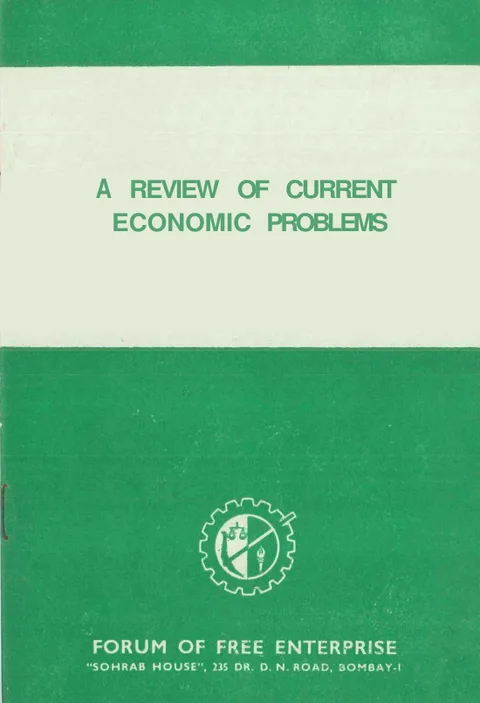
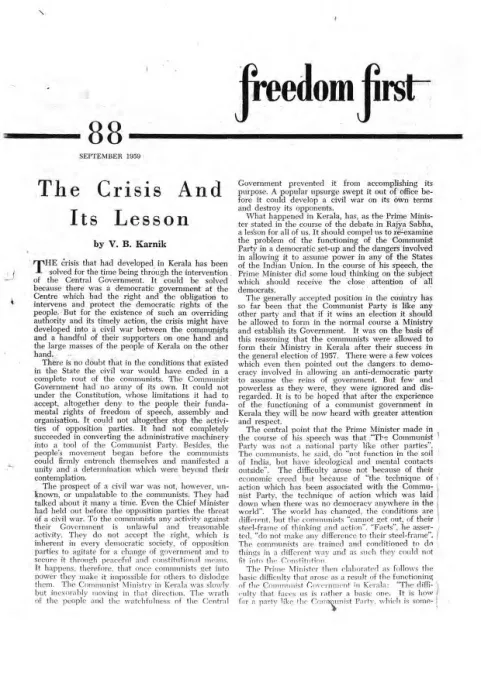
- A Review of Current Economic Problems · 1965
- "Sir H. P. Mody opens with a polemic against the planning apparatus itself" · Mody's essay is the opening statement of the booklet's classical-liberal post-mortem on Indian planning
- "Mody warns that unless the obsession with 'gigantism' is abandoned in favour of consolidation and realism, the Third Plan target of food self-sufficiency by 1981 will be a fresh casualty of the same mindset." · Mody's central warning about planning's self-perpetuating cycle of failure
Opinion pieces (2)
- Piloo Mody: Swatantra’s Witty Parliamentarian
- "the son of venerable Parsi entrepreneur Homi Mody" · identifies Piloo's father and family context
- Swatantra Party : A Big Tent Challenge to Congress Hegemony
- "Homi Mody was a leading voice of the Bombay business community with significant experience of local self-governance in the Bombay municipality." · characterises Homi Mody's role as the business establishment representative in Swatantra's inner circle