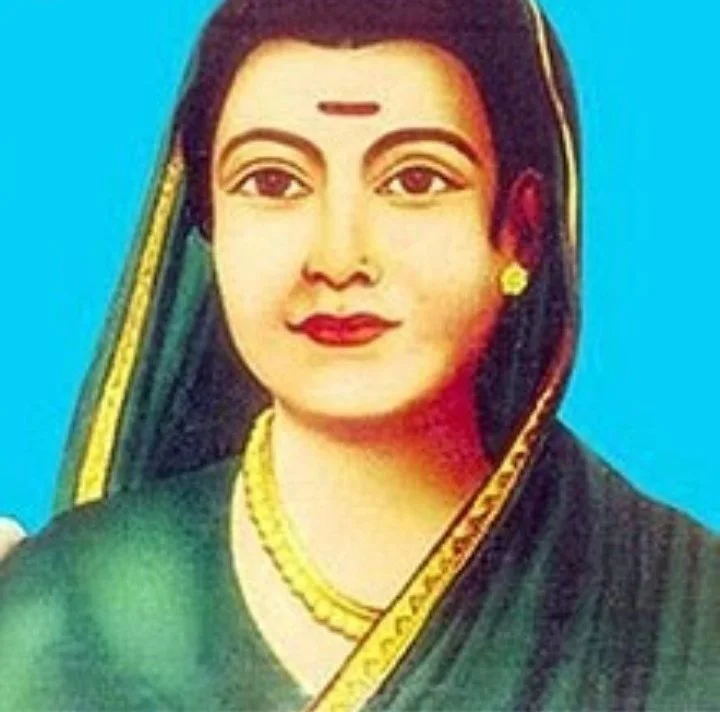
interview
The Unwavering Feminism of Tarabai Shinde
2021
Summary
This explainer profiles Tarabai Shinde, a 19th-century social reformer born into an elite Maratha family in Buldana, Maharashtra. Though she received no formal schooling, she read widely and learned Marathi, English and Sanskrit at home under her father's guidance, and though forced into child marriage she held firm views on women's liberty. It recounts how the 1881 Vijayalakshmi case, in which a young pregnant widow from Surat was sentenced to life imprisonment for ending her pregnancy and was then attacked in the orthodox newspaper Pune Vaibhav, provoked her to respond.
Outraged by the paper's derogatory remarks about women and the treatment of widows, Tarabai wrote her major work, Stri Purush Tulana, a comparison of men and women in Marathi and a scathing critique of entrenched gender inequality. The piece notes that she argued against child and forced marriage, defended the agency of all women from widows to sex workers, championed women's education as a route to critical thinking, and endured significant backlash while remaining influential today.
Key points
- Tarabai Shinde was born into an elite Maratha family in Buldana, Maharashtra.
- She had no formal education but learned Marathi, English and Sanskrit at home under her father's guidance.
- She was forced into child marriage yet held firm views on women's liberty.
- The 1881 Vijayalakshmi case, involving a pregnant widow from Surat sentenced to life imprisonment, drew public attention to her criticism.
- The orthodox newspaper Pune Vaibhav published articles insulting Vijayalakshmi and women in general.
- In response she wrote Stri Purush Tulana, a comparison of men and women in Marathi and a critique of gender inequality.
- She argued against child marriage and forced marriage and defended the agency of all women, from widows to sex workers.
- She promoted women's right to education, believing it would help girls critically question their environment.
Transcript
The Unwavering Feminism of Tarabai Shinde
Source: https://www.youtube.com/watch?v=908Qxa7J5Ok Duration: 156.2s
Speaker 1 (00:00): At the heart of the Indian feminist movement lies the work of many trailblazing 19th century social reformers. One of them was Tarabai Shinde, an unwavering crusader for women’s rights and equality.
Speaker 2 (00:14): Tarabai was born into an elite family of the Maratha community in the town of Buldana, Maharashtra. While she did not receive any formal education, she was an avid reader. She learned Marathi, English and Sanskrit at home under the guidance of her father.
Speaker 1 (00:31): Prevalence of child marriage at the time forced Tarabai into marriage at a very young age. She was, however, steadfast about her views on the importance of women’s liberty and their role in upholding the society.
Speaker 2 (00:45): Tarabai Shinde’s true criticism of patriarchal institutions drew massive public attention in 1881
Speaker 3 (00:54): in the wake of the controversial Vijay Lakshmi case. Vijay Lakshmi was a young pregnant widow
Speaker 1 (01:00): from Surat who chose to end the life of her unborn child and was given the harsh sentence of life imprisonment. Covering the incident, the Pune Vaibhav, an orthodox newspaper, published a
Speaker 2 (01:12): series of articles criticizing Vijay Lakshmi and insulting women in general for their loose morals. Outraged by these derogatory remarks and the treatment meted out to widows in India, Tarabai
Speaker 1 (01:26): penned her magnum opus, Stri Purush Tullan, a comparison between men and women written in Marathi. It was a scathing critique of the gender inequality entrenched in India’s social institutions. In her writings, she argued vehemently against child marriage and forced marriages. She advocated for the agency of all women, from widows to sex workers. Tarabai raised her voice against the stereotypes enforced on women and promoted women’s right to education. She firmly believed that education would make young girls more critical of their environment
Speaker 2 (02:04): and give them the courage to chart their own course. While Tarabai was met with significant backlash and condemnation at the time, her social criticism
Speaker 1 (02:15): of patriarchal norms and gender-based discrimination remains relevant to this day. Tarabai was a revolutionary thinker who fought valiantly against women’s oppression.
Speaker 3 (02:27): Her story and her unrelenting demand for women’s agency and dignity remains a tremendous source
Speaker 1 (02:34): of inspiration for all women.
Metadata and summary are AI-extracted from the source PDF and reviewed for editorial accuracy. The original work is available via the Read PDF tab above (where present); paragraph-level citation inside the PDF is deferred to a future engagement.