interview
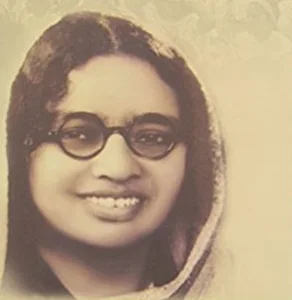
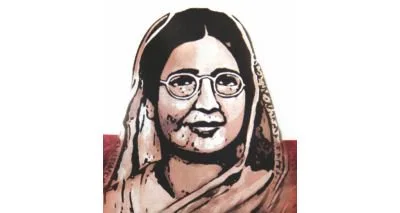
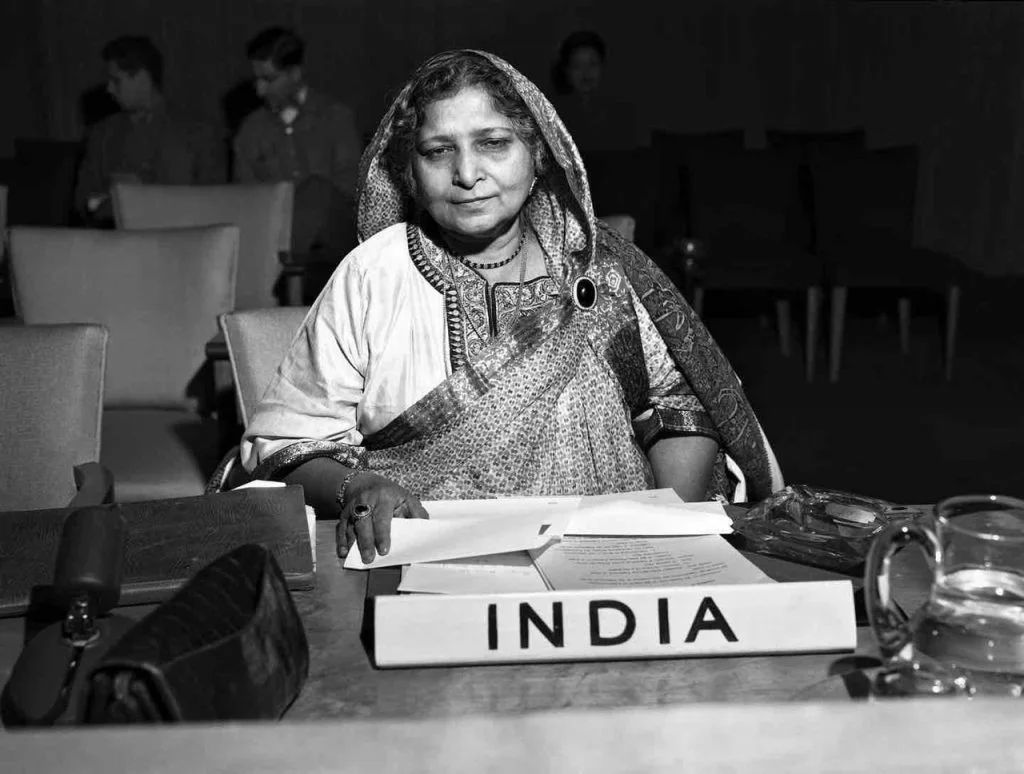
Iqbalunnisa Hussain: A Stalwart of Muslim Women's Education
2021
Summary
This explainer traces the life and work of Iqbalunnisa Hussain, born in Bangalore in 1897, who was married as a child at fifteen but was encouraged by her husband, the government official Syed Ahmed Hussain, to continue her education. She became one of the few Indian Muslim women of her era to hold a degree from the United Kingdom and was fluent in Persian, Urdu and English, which she used to write feminist literature critical of patriarchy.
The piece emphasises her institution-building: she founded an association of Muslim women educators, started an Urdu girls' middle school, and set up a school of home industries in Bangalore, while participating in the Girl Guide movement. It stresses her belief that vocational training and practical skills were essential to reforming Indian education and to women's independence, and notes the orthodox criticism she faced for urging women to claim agency and autonomy.
Key points
- Iqbalunnisa Hussain was born in Bangalore in 1897 and was married as a child at age fifteen.
- Her husband, the government official Syed Ahmed Hussain, encouraged her to complete her education after marriage.
- She was among the few Indian Muslim women of her time to hold a degree from the United Kingdom.
- She was fluent in Persian, Urdu and English, and used her writing to critique patriarchy.
- She founded an association of Muslim women educators and started an Urdu girls' middle school.
- She established a school of home industries for Bangalore's Muslim women and joined the Girl Guide movement.
- She argued that vocational training and a resourceful skill set were essential to reforming women's education.
- She faced severe criticism from the orthodoxy for urging women to claim their agency and autonomy.
Transcript
Iqbalunnisa Hussain: A Stalwart of Muslim Women’s Education
Source: https://www.youtube.com/watch?v=HA9JxwH6MgU Duration: 145.6s
Speaker 1 (00:00): The final years of the British Raj in India saw the rise in works of a spirited feminist and liberal activist, Iqbalunissa Hossain. Born in 1897 in Bangalore, Karnataka, Iqbalunissa fell prey to child marriage at the tender age of 15.
Speaker 2 (00:18): Her groom, however, a government official named Sayyad Ahmed Hossain proved to be an encouraging presence in her life,
Speaker 1 (00:25): pushing her to complete her education post their marriage. Iqbal Unisa was an exceptionally talented student and she made major strides in Indian women’s quest for education.
Speaker 2 (00:37): Iqbal Unisa was among the few Indian Muslim women of her time who held a degree from the United Kingdom to their name. Iqbal Unisa was also fluent in Persian, Urdu and English. Her grasp of the three languages coupled with her critical analysis of patriarchy enabled her to make immense contributions to feminist literature, which highlighted the problematic ideologies of a society that relegated women to a discriminatory status. As a pioneer for women’s education, Iqbal Anissa set up an association of Muslim women educators and began an Urdu girls’ middle school. She also established a school of home industries for Bangalore’s Muslim women and was a notable member of the historic Girl Guide movement. She tirelessly advocated for upskilling women and providing them with vocational training. She believed that developing a resourceful skill set was an essential aspect of reforming Indian education
Speaker 1 (01:36): and making it accommodating of women from all walks of life. For her revolutionary and liberal advocacy for women, Iqbalunisa faced severe criticism from the authoritative orthodoxy.
Speaker 2 (01:49): Persevering through it all, Iqbal Unisa urged women to break the shackles that bound them to subservient roles and fight for their agency and autonomy.
Speaker 1 (02:00): Iqbal Unisa led a path-breaking movement to dismantle patriarchy. Using the power of her education, she managed to stand out of the norm and inspire generations of women who came after her.
Speaker (02:19): The Dienst you
Metadata and summary are AI-extracted from the source PDF and reviewed for editorial accuracy. The original work is available via the Read PDF tab above (where present); paragraph-level citation inside the PDF is deferred to a future engagement.