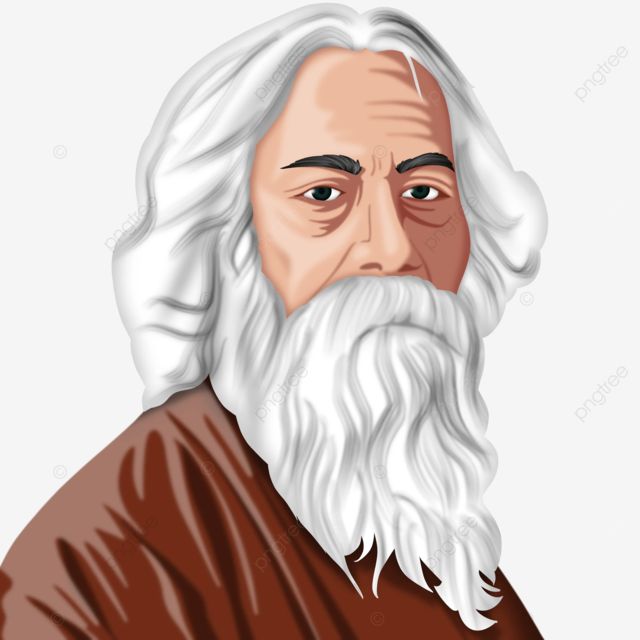
social reformer
Rabindranath Tagore
Rabindranath Thakur
1861–1941
Also known as: Tagore, রবীন্দ্রনাথ ঠাকুর, रवीन्द्रनाथ टैगोर
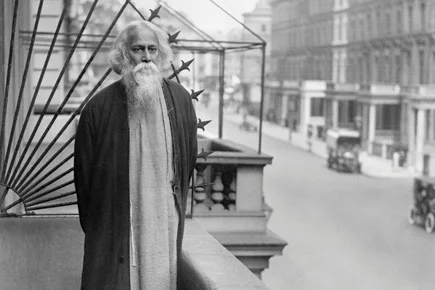
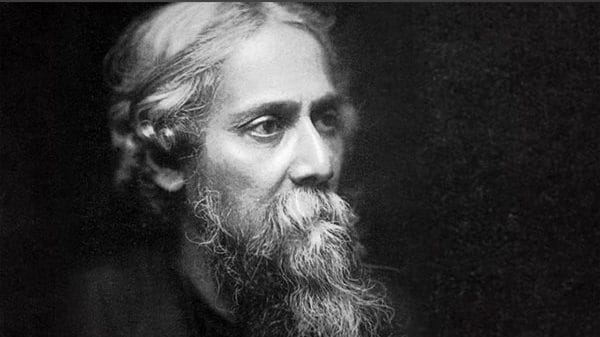
Rabindranath Tagore (1861, 1941) was a poet, writer, philosopher, educator, and social thinker whose work shaped modern Indian intellectual life. Born into the prominent Tagore family of Bengal, he grew up in an environment deeply influenced by the social and intellectual reform movements of the Bengal Renaissance. His literary work, which included poetry, novels, short stories, plays, essays, and songs, earned him the Nobel Prize in Literature in 1913, making him the first Asian recipient of the honour.
Tagore’s engagement with public life went well beyond literature. He was deeply concerned with education, social reform, human dignity, and the relationship between the individual and society. At Santiniketan, he developed an experimental approach to education that sought to cultivate curiosity, creativity, freedom of thought, and a closer relationship between learning and nature. He later founded Visva-Bharati, reflecting his belief in intellectual exchange across cultures and the importance of bringing India and the wider world into conversation.
Tagore was also a distinctive voice in India’s nationalist movement. While he opposed British colonial rule and participated in the wider struggle for India’s freedom, he was critical of nationalism when it became narrow, aggressive, or rooted in cultural chauvinism. For Tagore, freedom was not simply political independence; it also involved freeing the mind from prejudice, conformity, and intellectual restrictions. His vision placed the individual within a wider human community and emphasised openness to other cultures and traditions.
His humanism also shaped his understanding of Indian society. Tagore placed considerable importance on individual conscience and self-expression, and his literary works frequently questioned rigid social conventions. His writings on women, education, society, and nationalism reflected his wider concern with creating conditions in which individuals could develop their capacities freely. The Indian Liberals archive particularly highlights this dimension through Streer Patro, where Tagore explores the individuality and autonomy of a woman challenging the conventions surrounding her.
Tagore’s relationship with nationalism was therefore complex: he rejected colonial domination while also resisting the idea that national identity should become an end in itself. His cosmopolitan outlook, emphasis on human freedom, and belief in dialogue across cultures have led scholars and Indian liberal thinkers to regard him as an important contributor to a distinctly Indian liberal tradition. The Indian Liberals archive places him alongside Gandhi, B. R. Ambedkar, and C. Rajagopalachari as one of the thinkers through whom such a tradition can be understood.
In 1919, following the Jallianwala Bagh massacre, Tagore renounced the knighthood conferred on him by the British government as a protest against its policies in India. He died in 1941, leaving behind a body of work that continues to engage questions of freedom, education, culture, nationalism, and the dignity of the individual.
How Rabindranath Tagore is discussed in this archive
Authored 6 works in the archive.
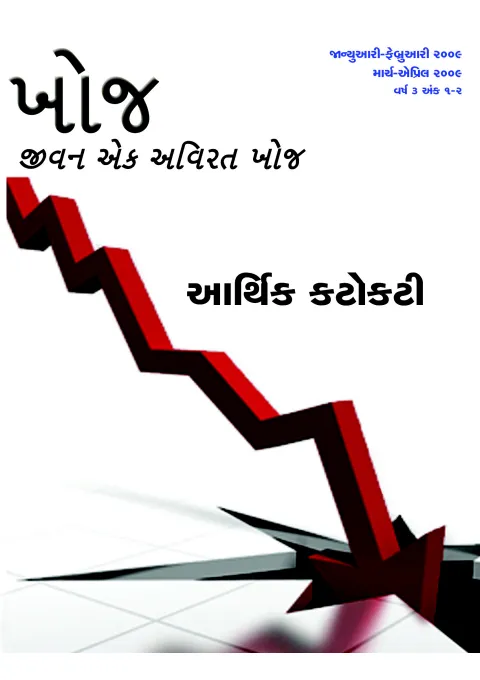
Referenced in 4 other works , including The Case for Liberalism in Indian History , ખોજ , and Minoo Masani : From Socialism to Liberal Swatantra Party .
In The Case for Liberalism in Indian History : Tagore is named alongside Gandhi, Ambedkar, and Rajaji as a contributor to a distinctively Indian liberalism, specifically via cosmopolitanism.
In ખોજ : Karia's essay against moral policing invokes Tagore as part of a combined Western-Indian tradition — alongside Gandhi and Nehru — that cultivates inner conscience over external moral enforcement.
In Minoo Masani : From Socialism to Liberal Swatantra Party : Tagore is invoked indirectly in Gandhi's famous quip about nationalisation, Gandhi used Tagore as an example of a 'marvellous instrument of production' that should not be nationalised.
In The Liberalism of Ishwar Chandra Vidyasagar : Tagore provides the closing tribute to Vidyasagar, his famous quote is used as the culminating assessment of Vidyasagar's singularity.
By Rabindranath Tagore (6)
-
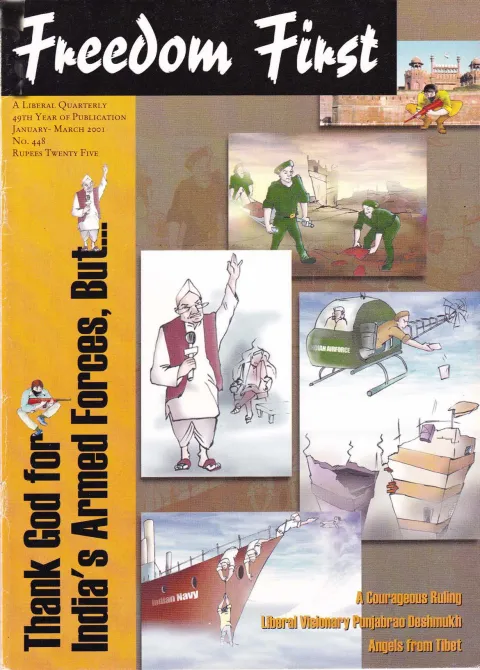
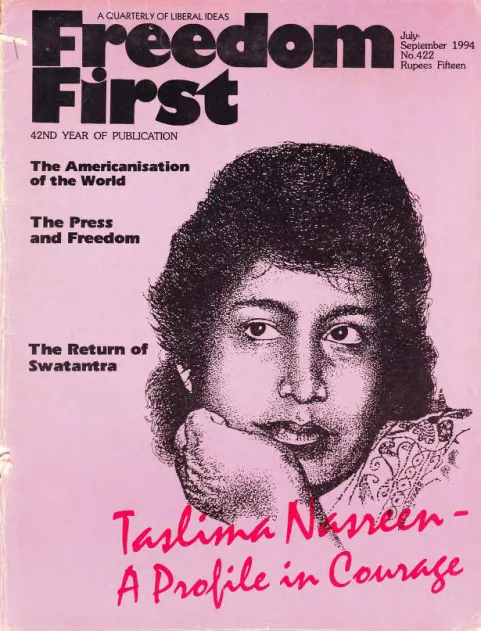
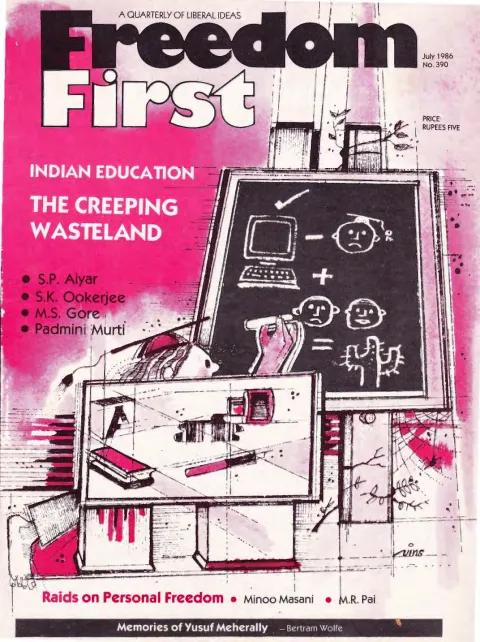
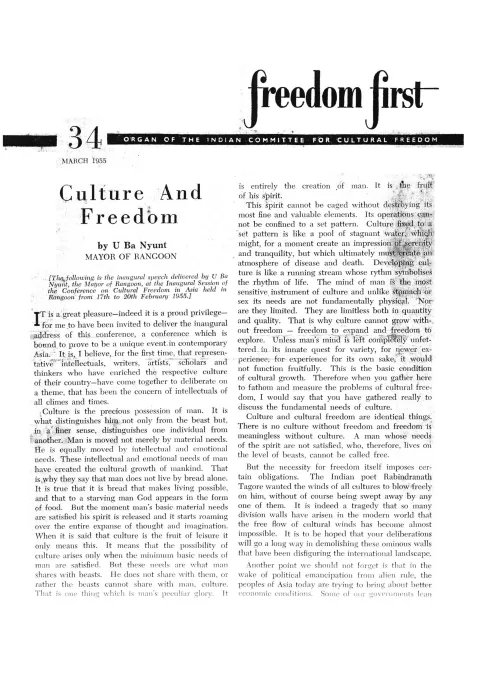
Freedom First
2011 · periodical issue
-

Freedom First
2011 · periodical issue
-
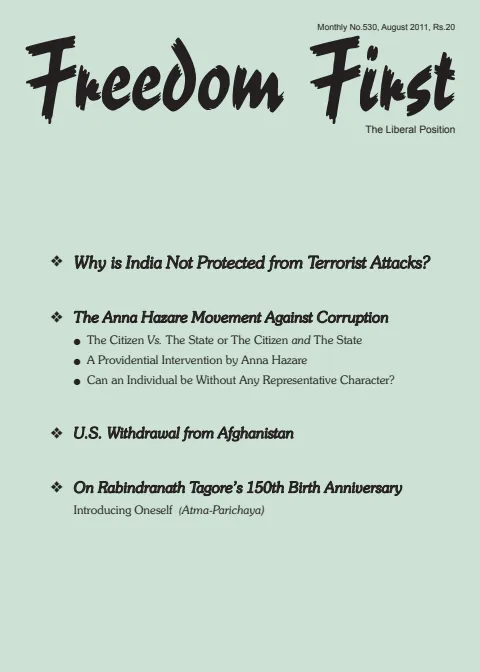
Freedom First
2011 · periodical issue
-
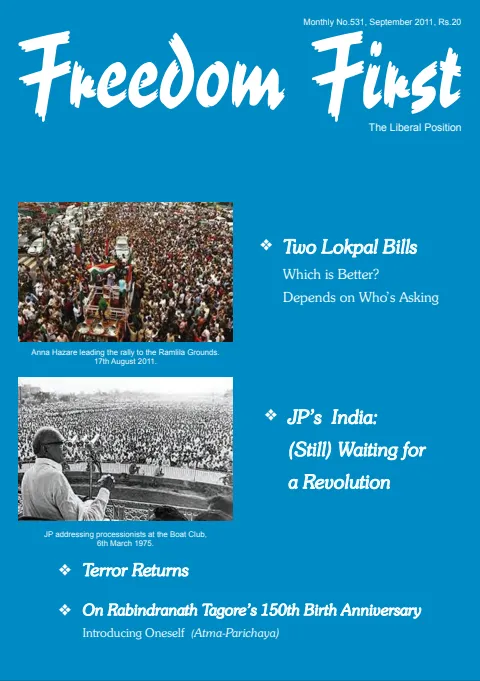
Freedom First
2011 · periodical issue
-
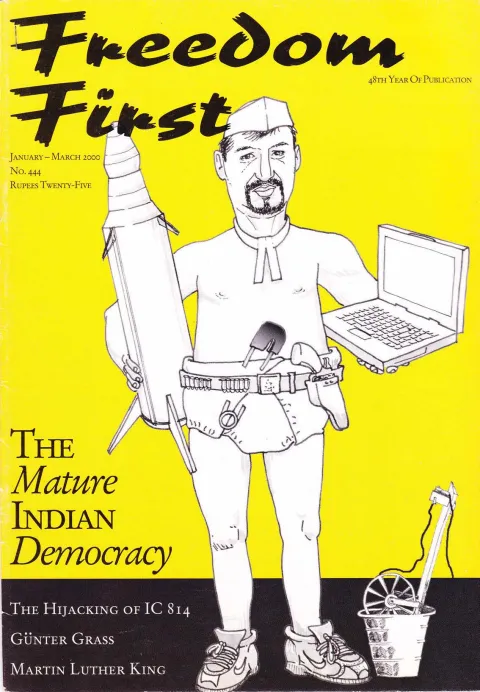
Freedom First
2000 · periodical issue
-
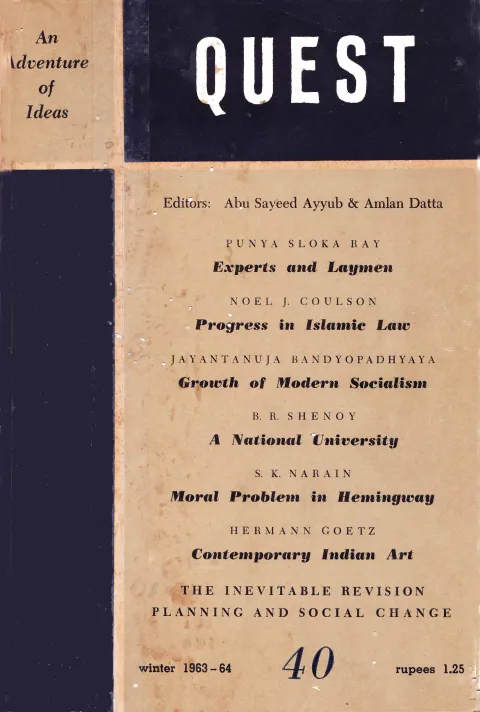
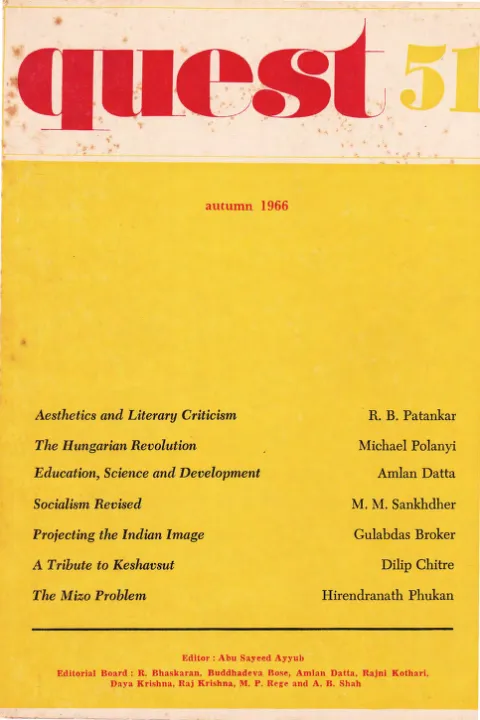
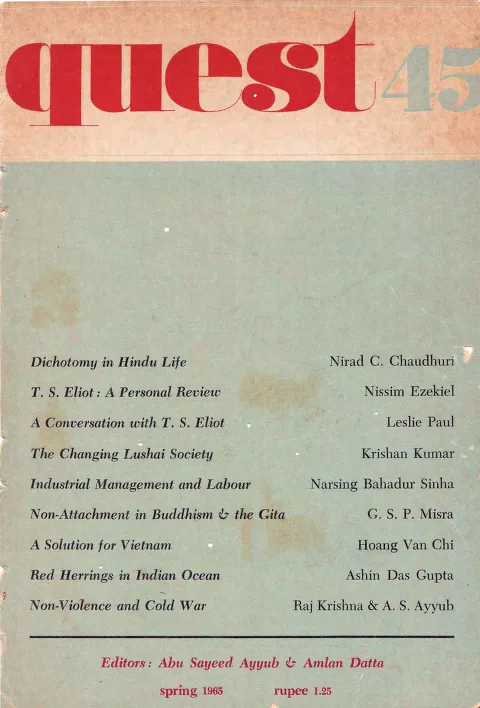
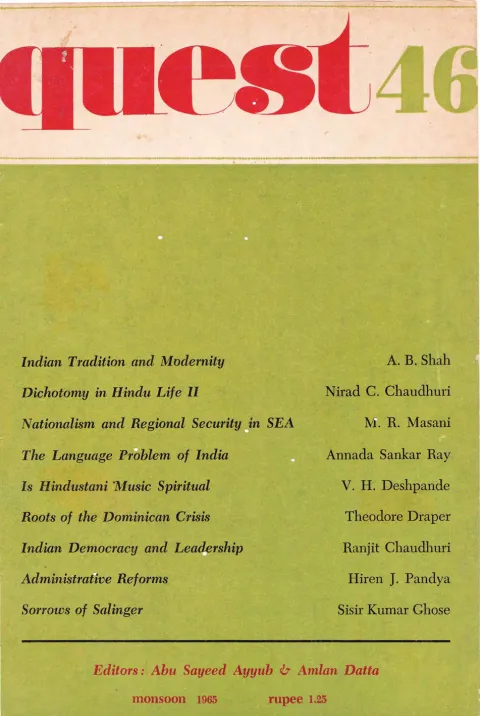
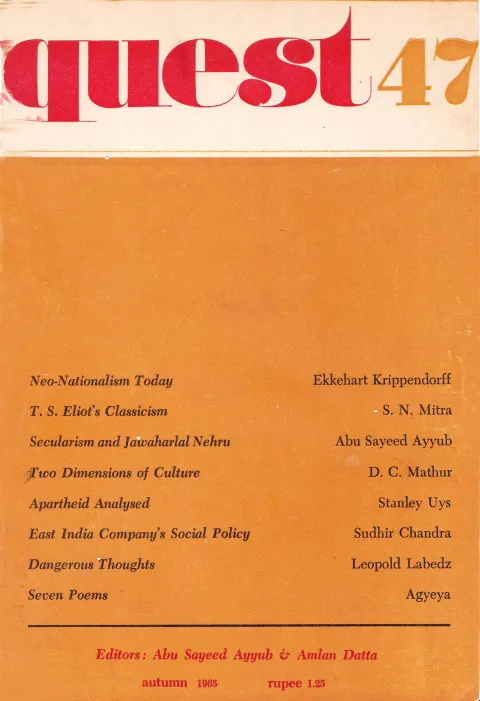
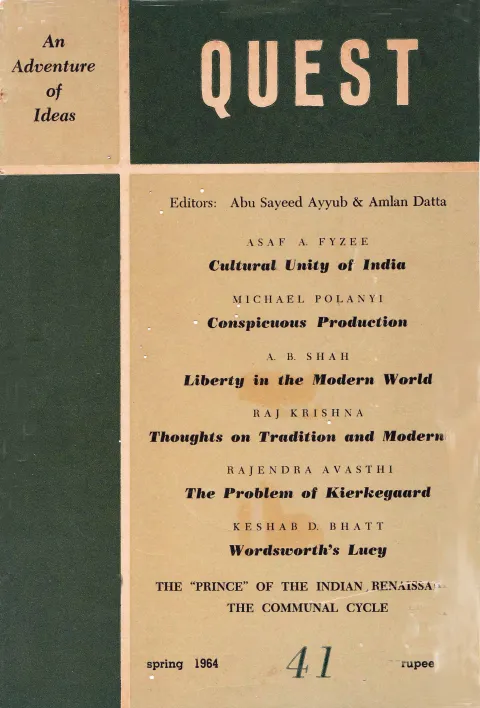
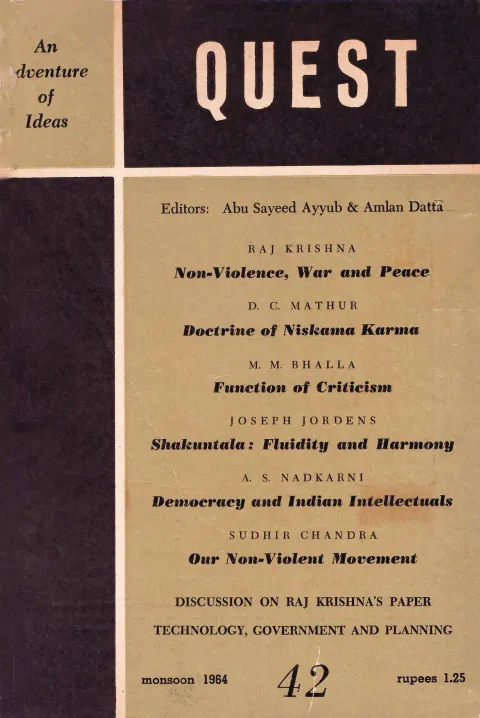
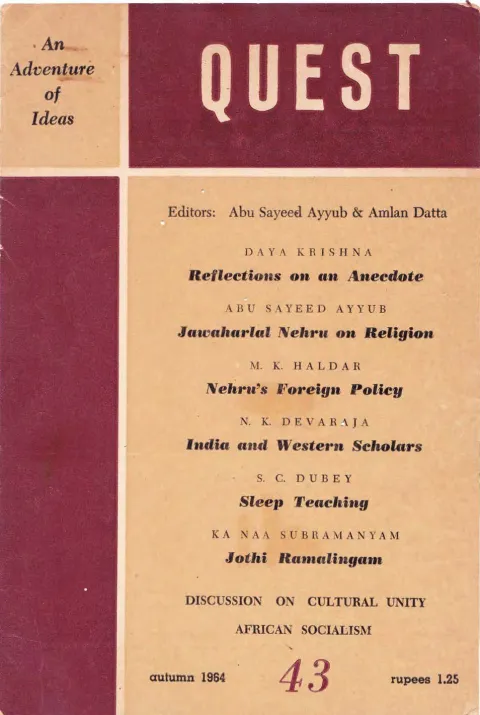
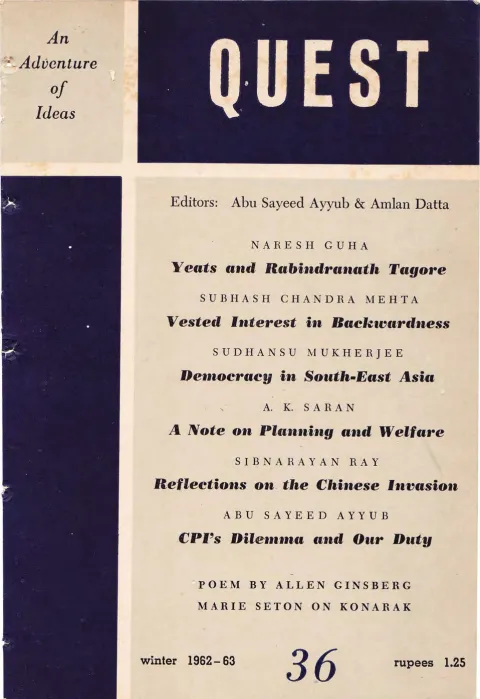
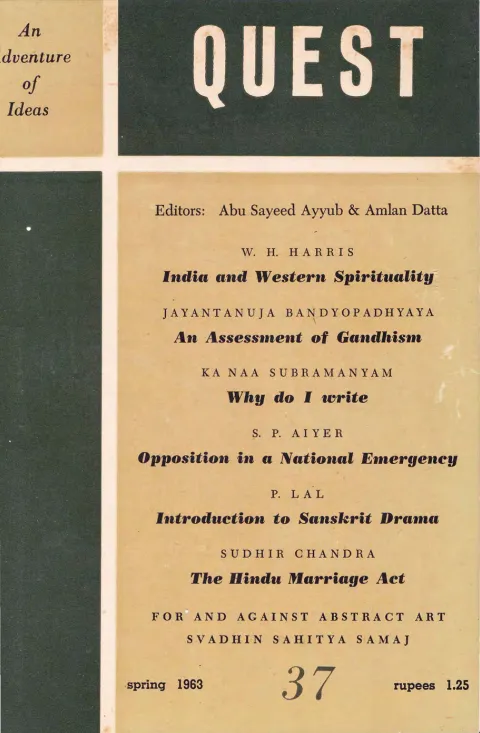
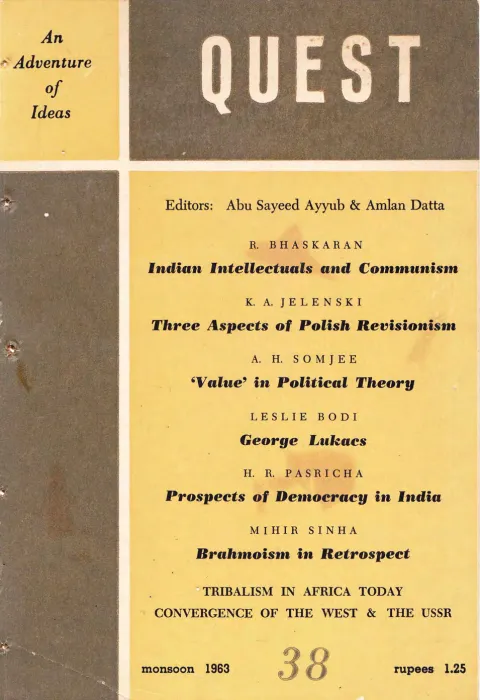
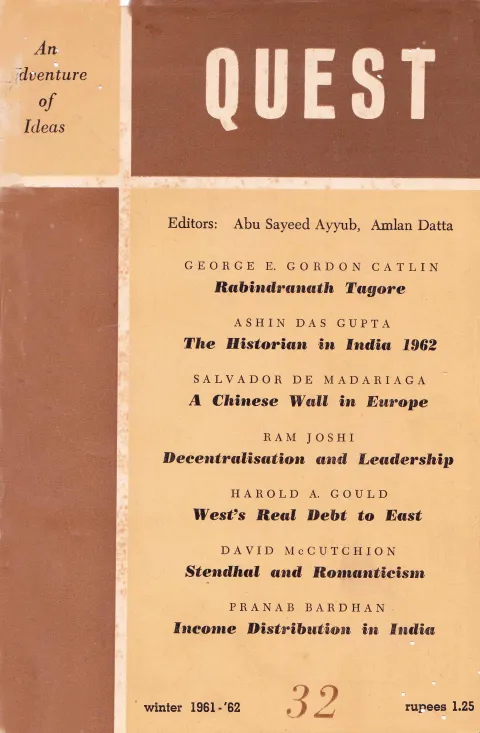
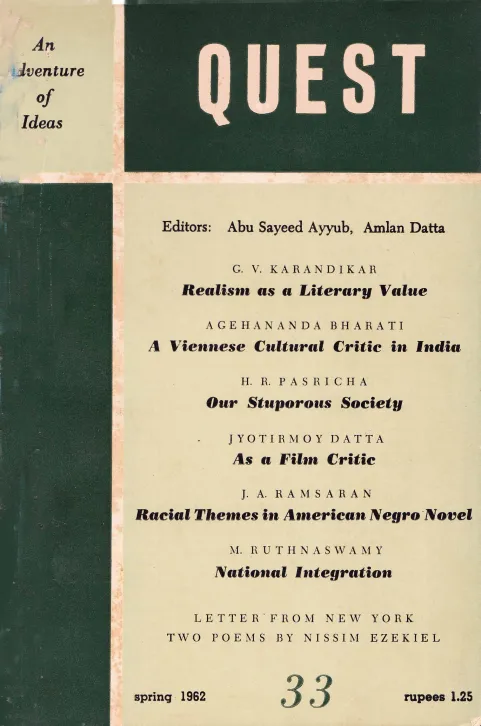
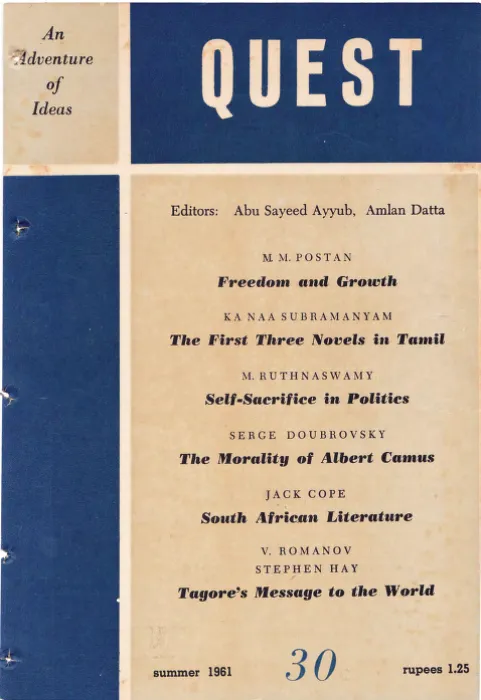
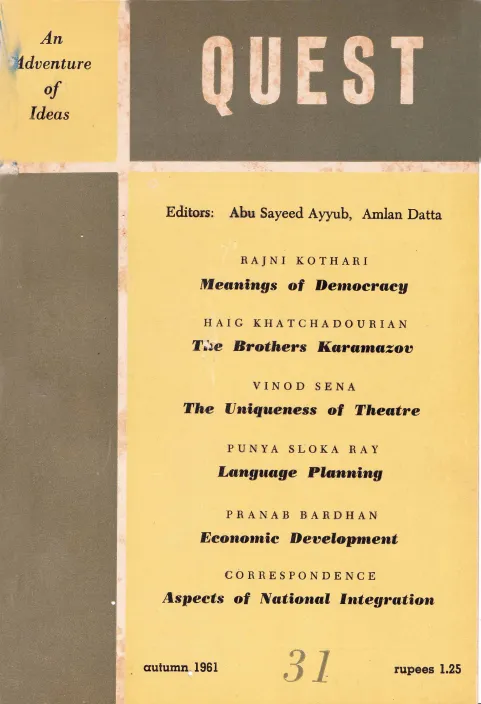
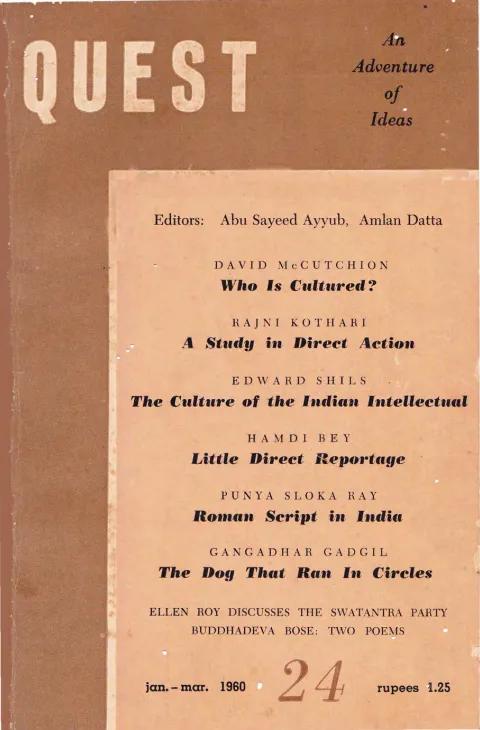
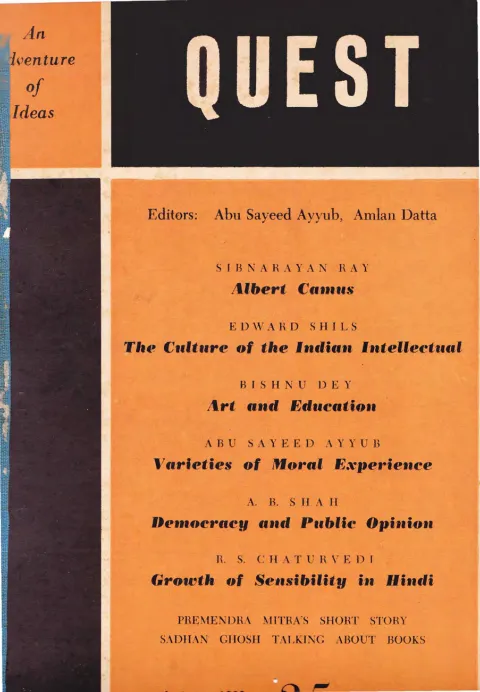
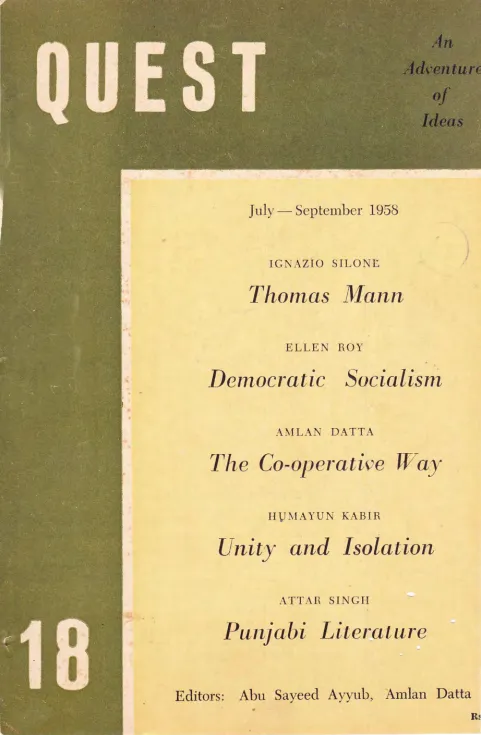
Quest
1964 · periodical issue
Nothing here matches. Clear the search or remove some filters.
Matches inside Rabindranath Tagore's works and pages
Excerpts (1)
Short passages from the archive associated with Rabindranath Tagore. An excerpt may be a quoted passage, a summary, or an editorial description, so these are kept separate from the works Rabindranath Tagore authored.
About Rabindranath Tagore (1)
Interviews (1)
Mentioned in (56)
Primary works (52)
- The Case for Liberalism in Indian History · 2020
- "if you look at the ideas of Gandhi, for example, Tagore, Ambedkar, Rajaji" · Tagore is listed as one of the four pillars of Shah's Indian liberal synthesis.
- ખોજ · 2009
- "Karia draws on a tradition of Western and Indian thinkers — Aristotle, Plato, Raphael, Gandhi, Nehru, Tagore, Vivekananda — who oppose coercive moralism" · Tagore named within Karia's lineage of conscience-based moralists arrayed against coercive religious policing




Show all 52

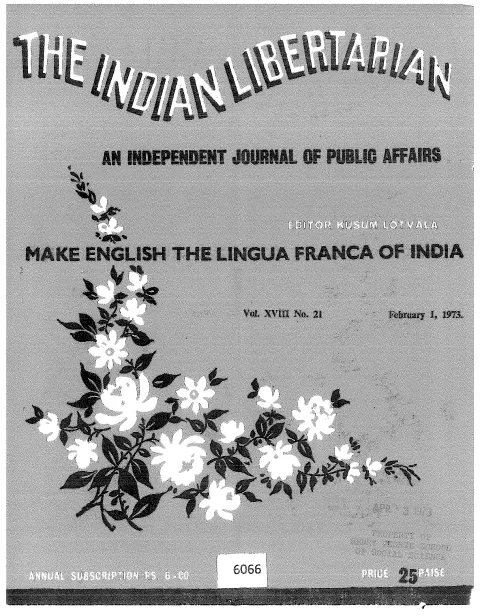
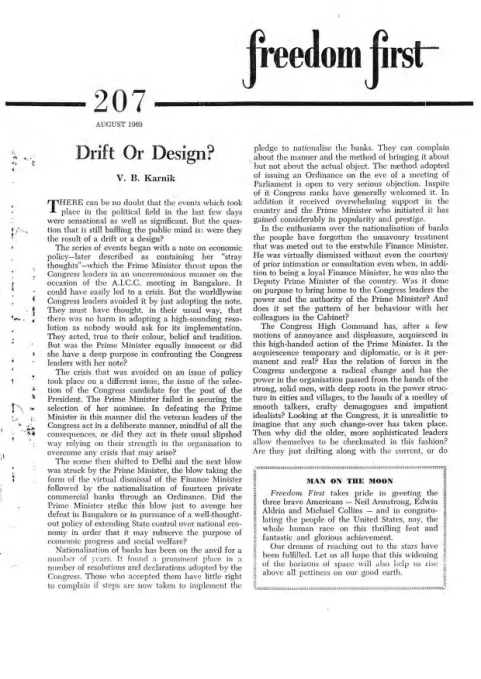
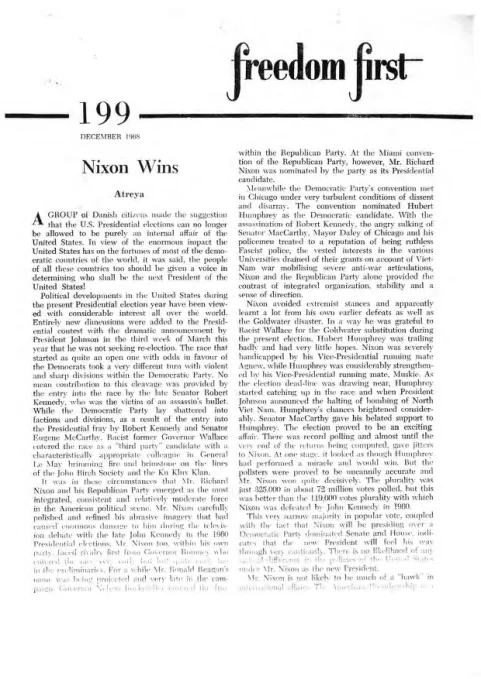
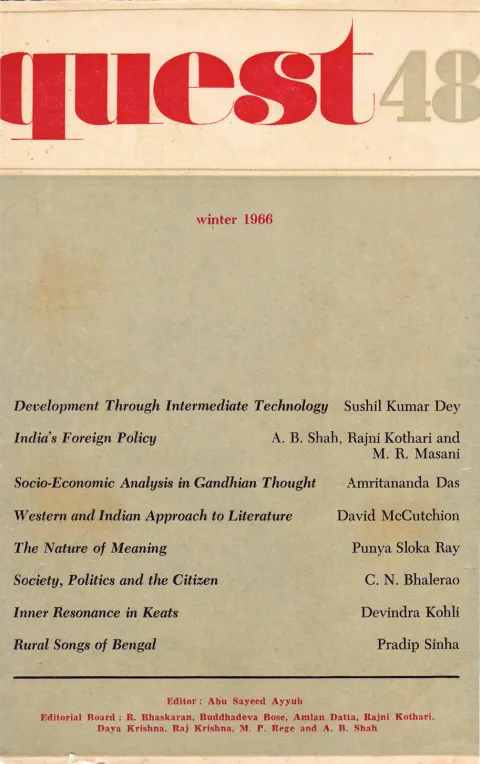







Opinion pieces (2)
- Minoo Masani : From Socialism to Liberal Swatantra Party
- "Rabindranath Tagore is an instrument of marvellous production. I do not know that he will submit to be nationalised." · Gandhi's witty riposte using Tagore as an example against Masani's nationalisation agenda
- The Liberalism of Ishwar Chandra Vidyasagar
- "The poet-saint Rabindranath Tagore's pithy tribute accurately captures the stature of Vidyasagar: "One wonders how God, in the process of producing forty million Bengalis, produced a man!"" · Tagore's tribute serves as the article's closing judgment on Vidyasagar's greatness