non liberal
Nikita Khrushchev
1894–1971
Also known as: Khrushchev
How Nikita Khrushchev is discussed in this archive
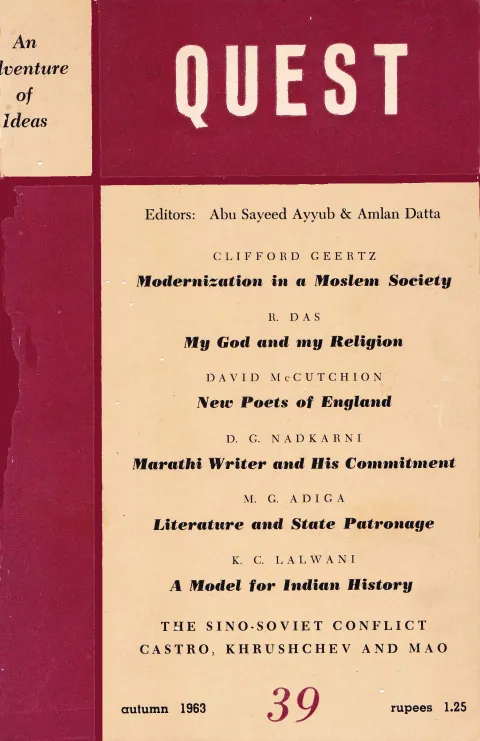
Referenced in 4 other works , including The Indian Libertarian , A Democracy at War , and De-Stalinisation Versus Communism .
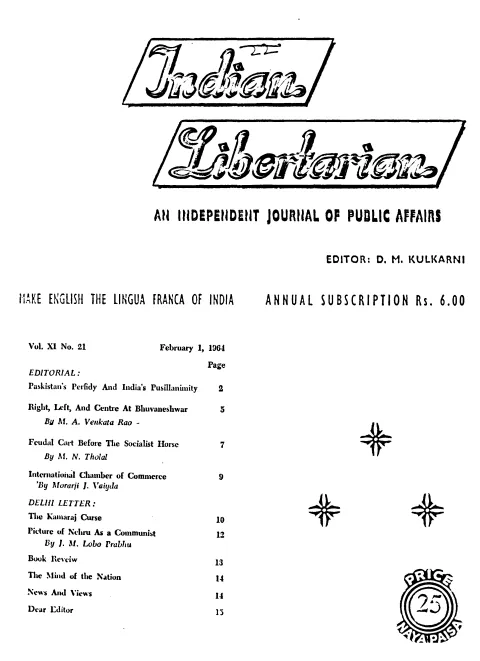
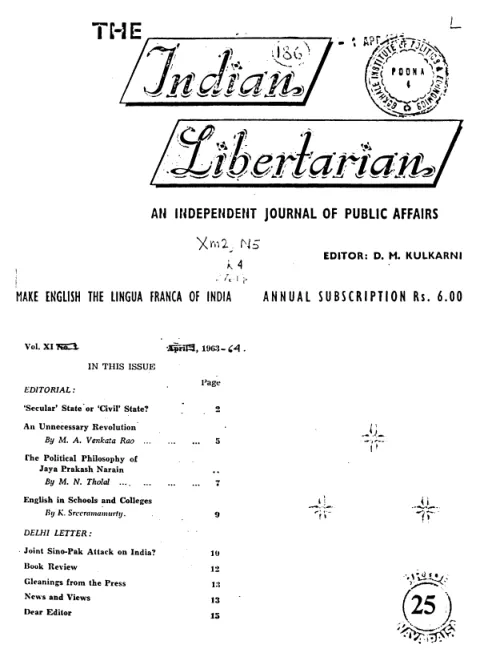
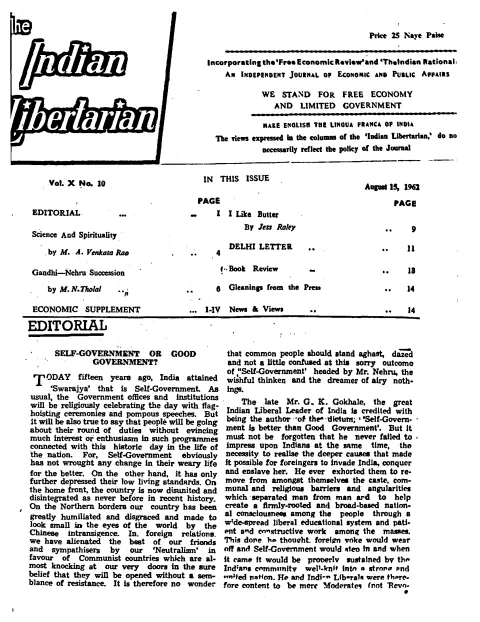
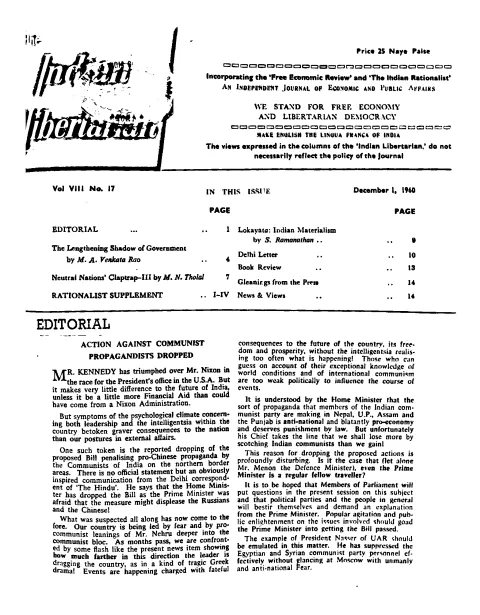
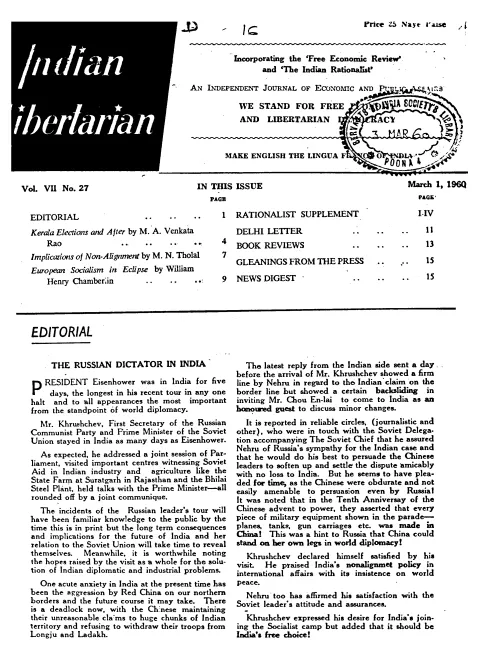
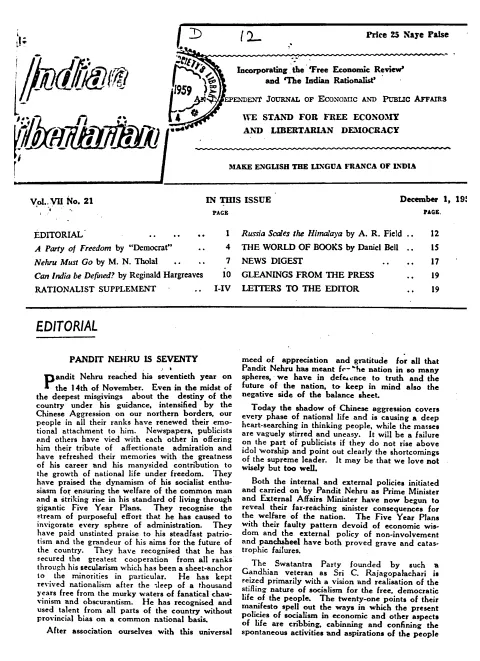
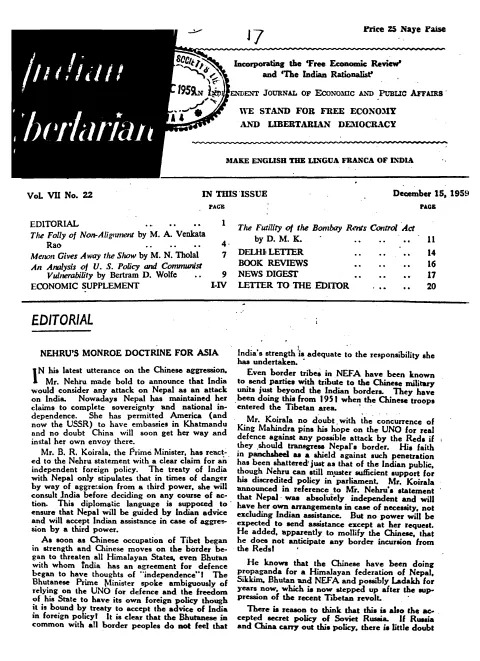
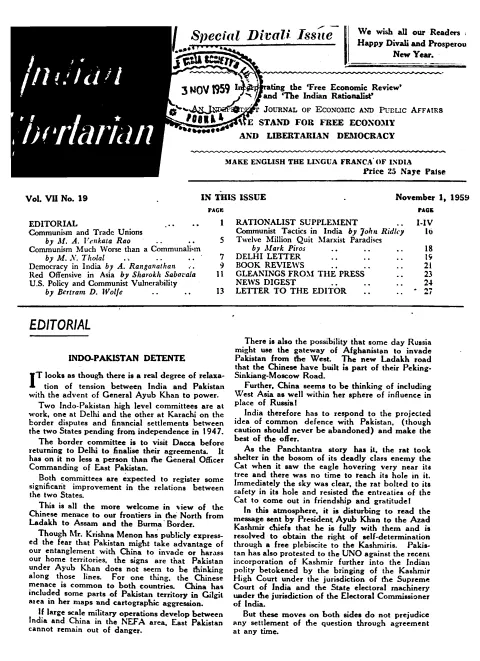
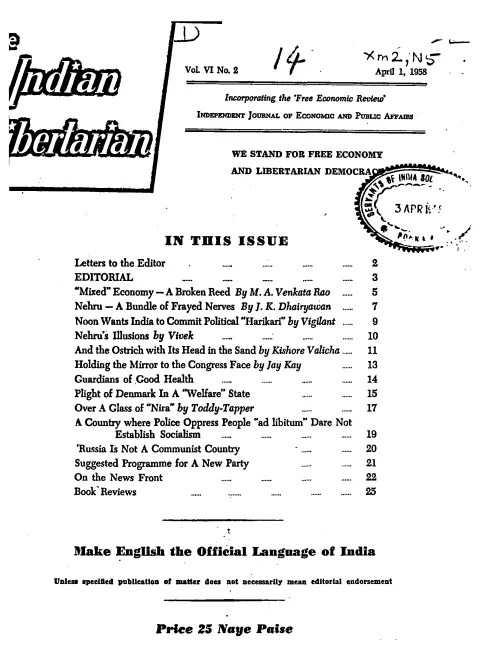
In The Indian Libertarian : The reprinted Clark-Rimanoczy piece uses Khrushchev's own denunciations of Stalin to argue Soviet brutality is structural rather than aberrant — turning the Secret Speech against the USSR's defenders among Indian pro-Soviet intellectuals.
In A Democracy at War : Khrushchev is grouped with Hitler, Stalin, and Mao as authoritarian leaders who openly declared their expansionist intentions, underscoring Masani's argument about Western and Indian naivety.
In De-Stalinisation Versus Communism : Khrushchev's de-Stalinisation speech at the 20th Party Congress is the central event the essay analyses, with Khrushchev's own simultaneous advocacy of 'peaceful co-existence' examined as an incomplete break from Stalinist logic.
In Economics of Freedom : Khrushchev is cited as the authority whose own speech confirmed that the concentration of power in the Communist state created the conditions for Stalin, substantiating Masani's argument about state power and tyranny.
Mentioned in (31)
Primary works (27)
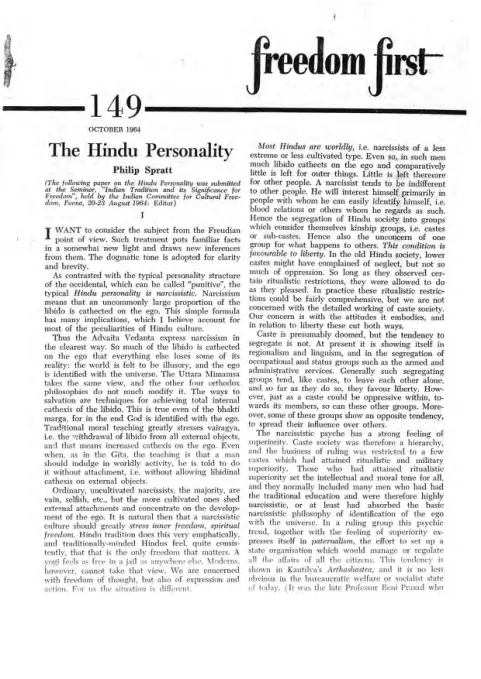
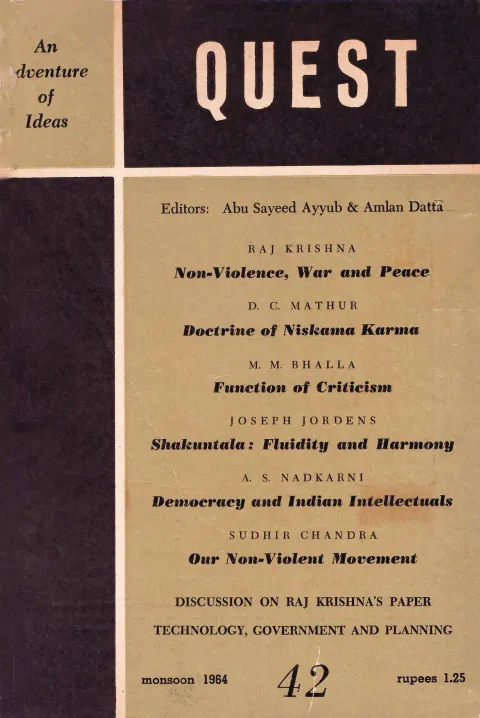
Show all 27
- The Indian Libertarian · 1958
- "Khrushchev's admission of Stalinist crimes is cited as evidence of endemic state violence rather than aberration." · the piece's core anti-Soviet evidentiary move — Khrushchev as inadvertent witness
- "Khrushchev's own denunciations of Stalin are used to show the system's brutality is structural, not incidental." · key-points version of the same argument
Excerpts (3)
- A Democracy at War
- "They are very frank, these gentlemen- Hitler, Stalin, Khrushchev and Mao Tse-tung. They tell us what they are going to do, but we are so naïve that we will not believe them!" · Khrushchev is cited alongside other authoritarian leaders to make the case that Indian policymakers ignored clear warning signs
- De-Stalinisation Versus Communism
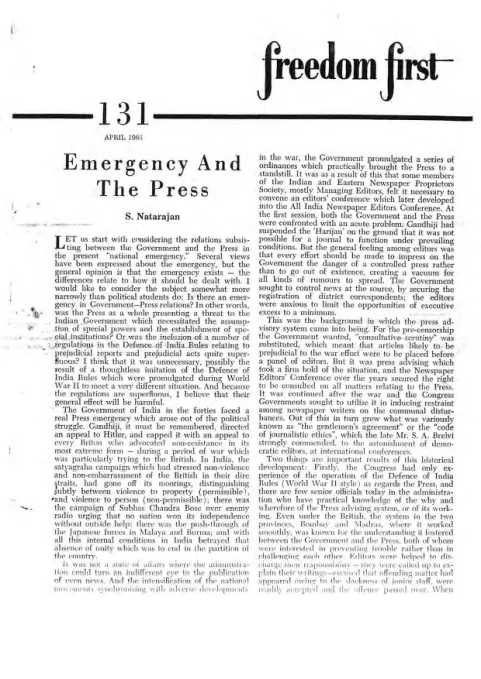
- "Nikita Khrushchev's denouncement of Stalin and his criminal rule at the 20th Congress of the Communist Party in 1956 remains an important milestone in the history of the now-discarded project." · Khrushchev's 1956 speech is the historical pivot around which the entire argument about the limits of de-Stalinisation revolves
- Economics of Freedom
- "Strangely enough, there is confirmation of this point from none other than Khrushchev." · Khrushchev's own admissions are invoked as involuntary evidence for the liberal critique of concentrated state power