non liberal
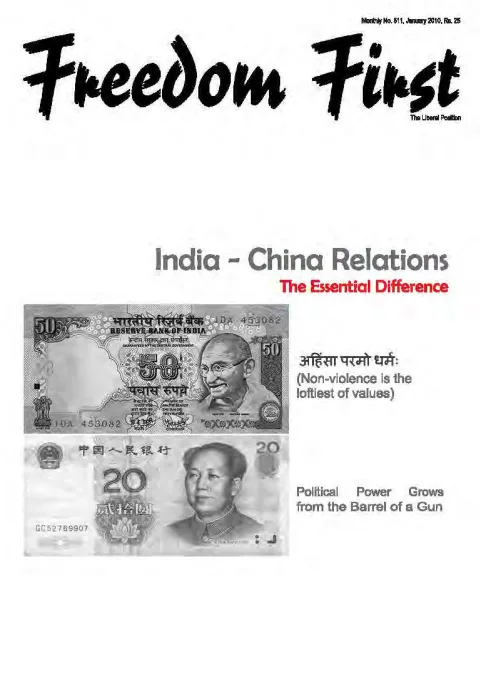
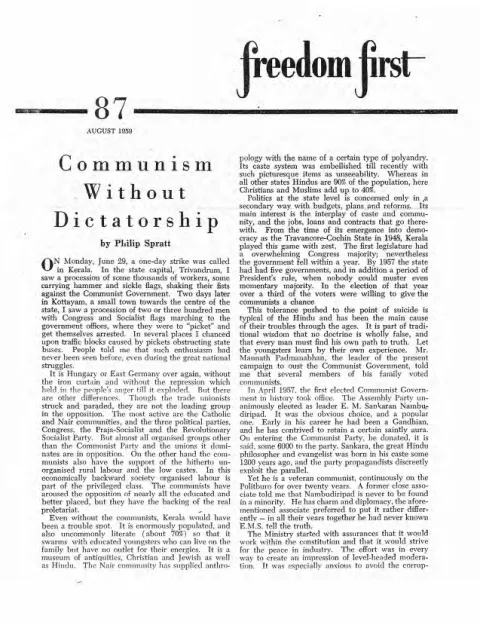
Mao Zedong
1893–1976
Also known as: Mao Tse-tung, Chairman Mao
How Mao Zedong is discussed in this archive
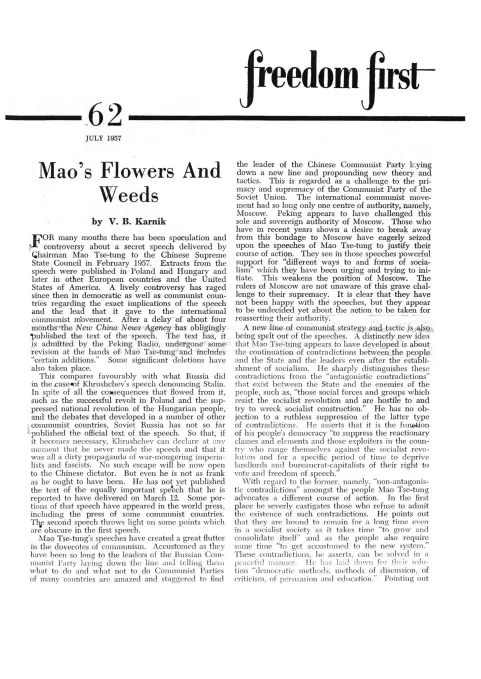
Referenced in 2 other works , including Agriculture in Asia , and A Democracy at War .
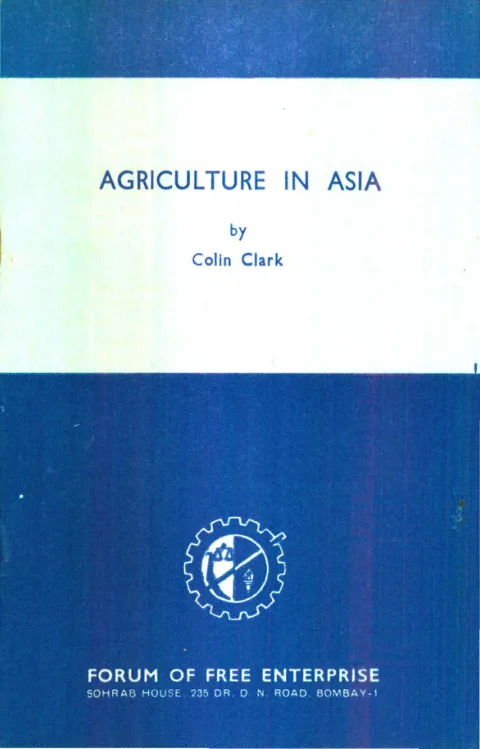
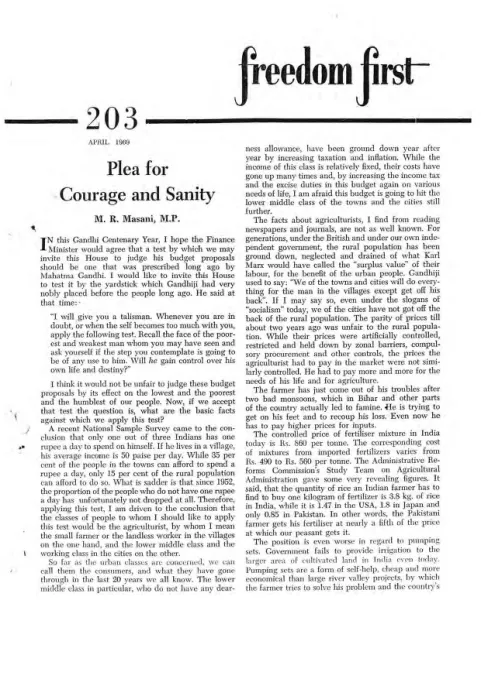
In Agriculture in Asia : Clark singles out Mao as the political actor who built the 'disguised unemployment' doctrine into the Great Leap Forward, treating Maoist agriculture as a cautionary failure that disproves rural-surplus-labour theories.
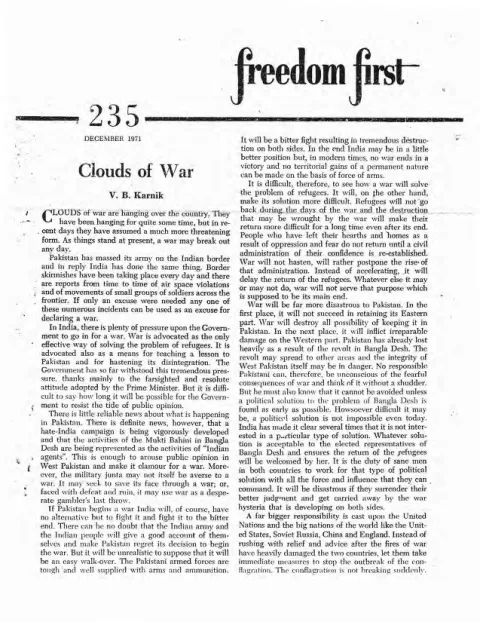
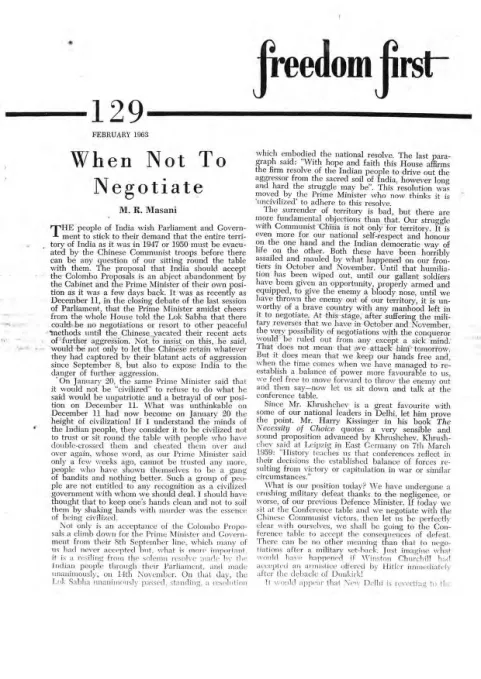
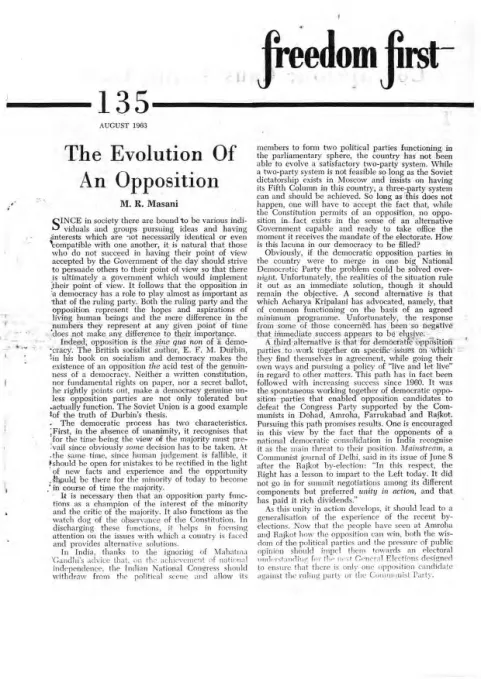
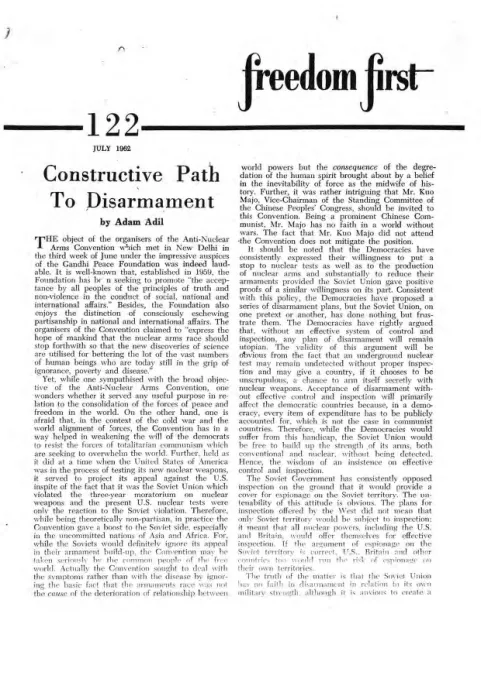
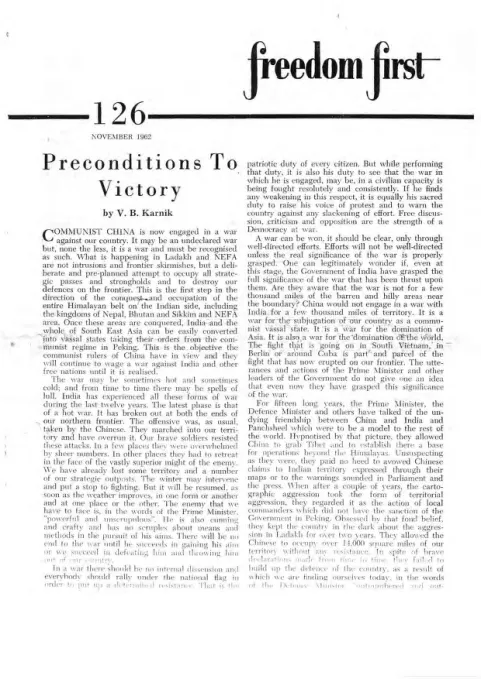
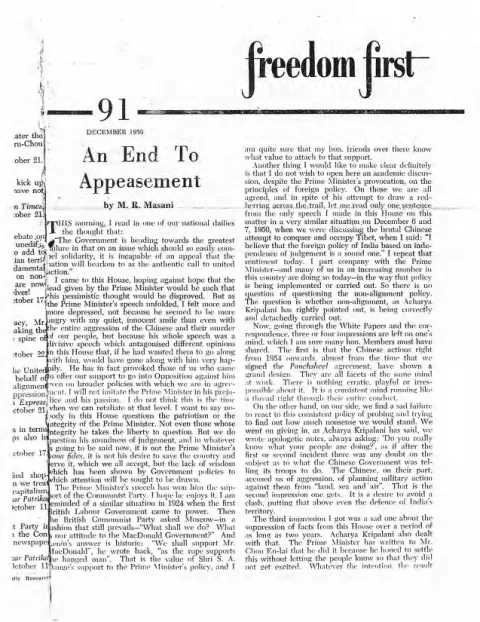
In A Democracy at War : Mao is invoked as the leader of the 'bandit regime' India mistakenly recognised while ignoring China's expansionist Communist aggression.
Mentioned in (124)
Primary works (123)
Show all 123
- Agriculture in Asia · 1971
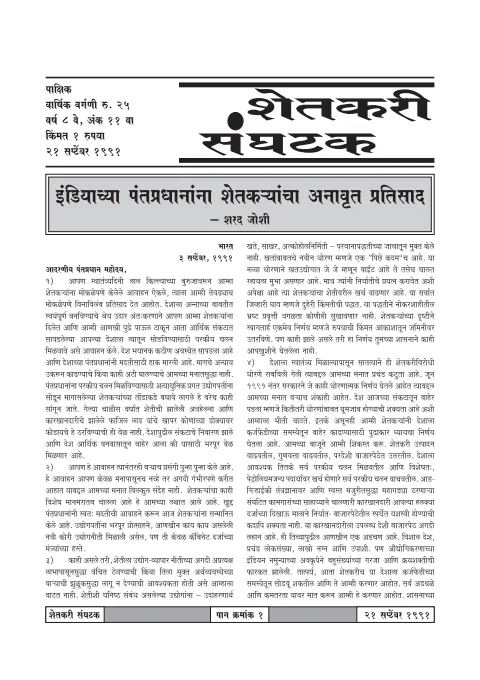
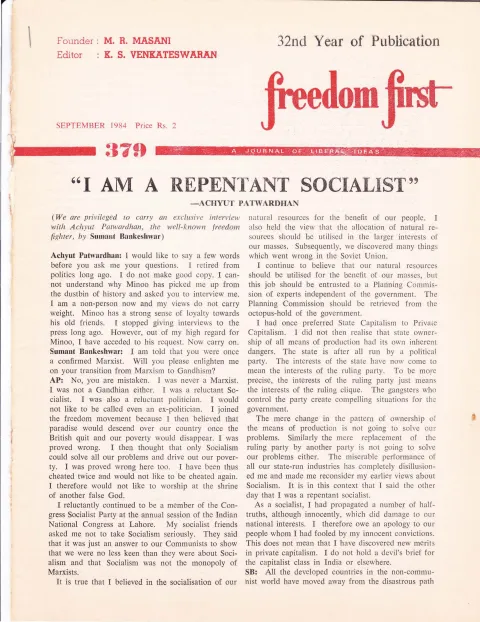
- "the doctrine, he notes, that Mao acted on in the Great Leap Forward 'and the resulting chaos in Chinese agriculture has not yet been fully repaired.'" · Clark uses Mao's Great Leap Forward as the policy disaster that operationalised — and disproved — the disguised-unemployment thesis
- "Soviet collectivisation (1933), Maoist agriculture (1961), and autarkic policies under Stalin and Franco are presented as cautionary failures" · Maoist agriculture is named alongside Stalinist and Francoist autarky as a counter-example to liberal trade-oriented policy
Excerpts (1)
- A Democracy at War
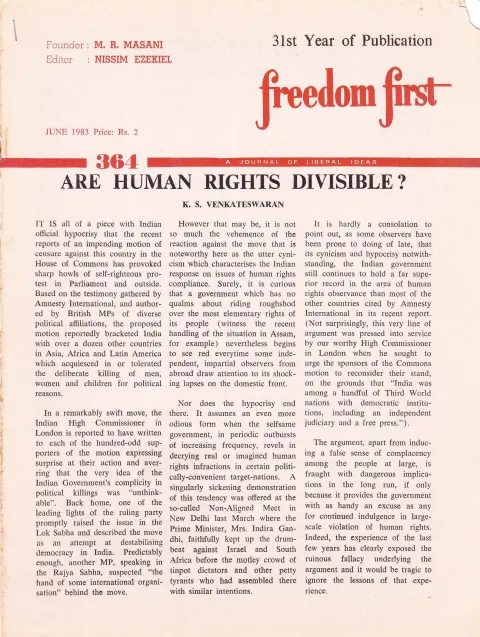
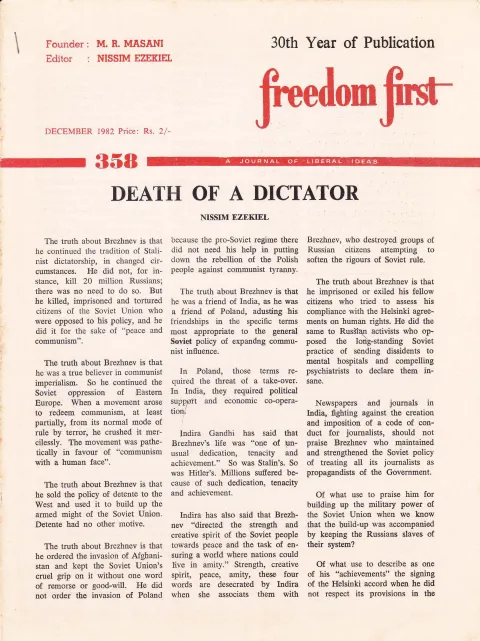
- "our Government rushed forward to embrace the bandit regime of Mao Tse-tung which is today attacking our country" · Masani criticises India's recognition of Mao's government as the key foreign-policy blunder enabling the 1962 attack