social reformer
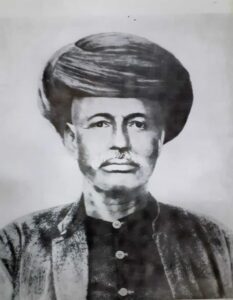
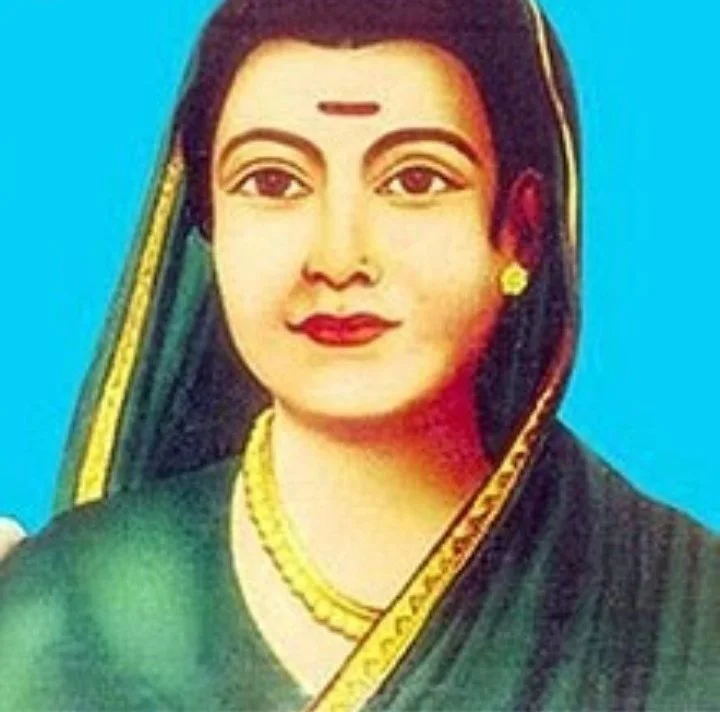
Jyotirao Phule
Jyotirao Govindrao Phule
1827–1890
Also known as: Jyotiba Phule, Mahatma Phule, महात्मा जोतीराव फुले, जोतीराव फुले
How Jyotirao Phule is discussed in this archive
Subject of 1 profile piece , including The Radical Humanism of Jyotiba Phule .
Referenced in 5 other works , including शेतकरी संघटक , Forgotten Feminist, Educator: Fatima Sheikh , and B.R. Ambedkar on Justice Ranade, Social Reform and Failure of Indian Liberalism .
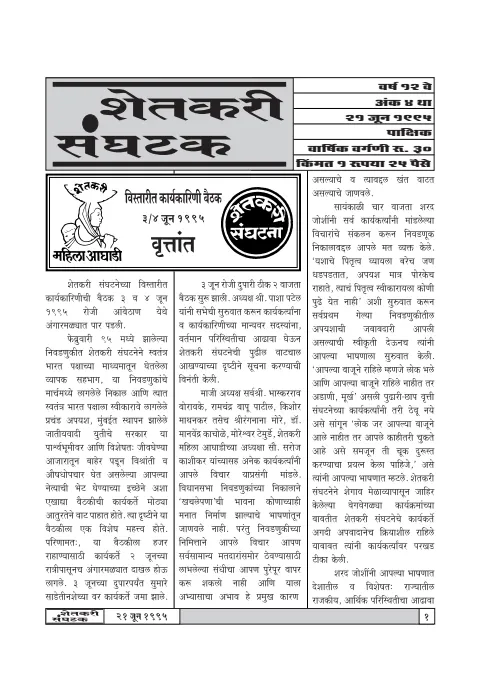
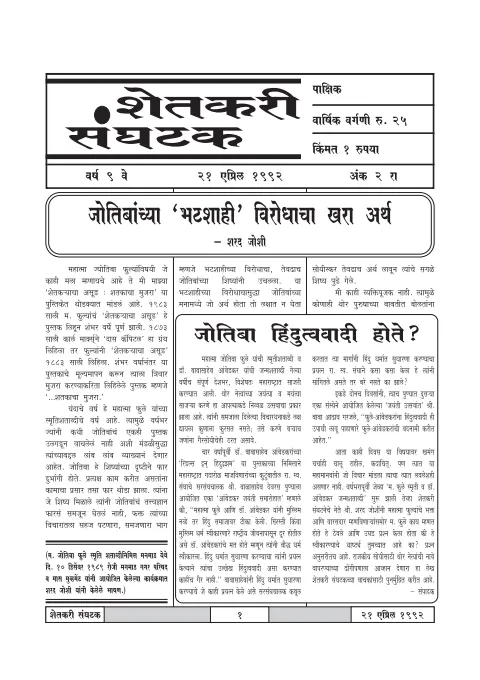
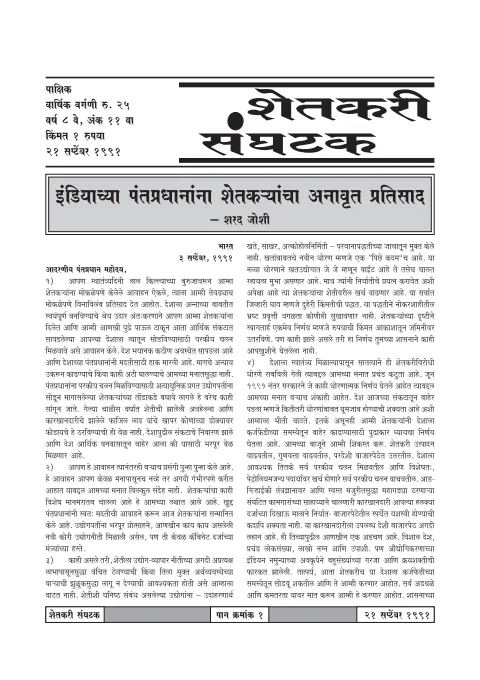
In शेतकरी संघटक : Phule is the central historical anchor of the issue: Joshi's lead essay reclaims Phule's anti-Brahmin 'Bhat-shahi' critique as a defence of productive labour and the toiling peasant, and recruits Phule's legacy as the philosophical genealogy of the Shetkari Sanghatana's agrarian struggle.
In B.R. Ambedkar on Justice Ranade, Social Reform and Failure of Indian Liberalism : Jyotirao Phule is acknowledged by Ambedkar alongside Ranade as having laid important groundwork for social reform that Ambedkar himself approved of.
In Forgotten Feminist, Educator: Fatima Sheikh : Jyotirao Phule is named explicitly as the partner whose liberal ideas Fatima Sheikh supported, and whose school she helped establish and teach in, making him central to the context of her activism.
In The Unwavering Feminism of Tarabai Shinde : Jyotiba Phule's Satyashodhak Samaj is mentioned as the reformist organisation with which Tarabai Shinde's father was associated, connecting her to the Phule tradition.
In Sharad Joshi on Liberalism in India : Phule is grouped with Agarkar and other reformers as part of the canonical lineage of Indian liberalism traced by liberal writers of the British era.
About Jyotirao Phule (1)
Profile pieces (1)
-
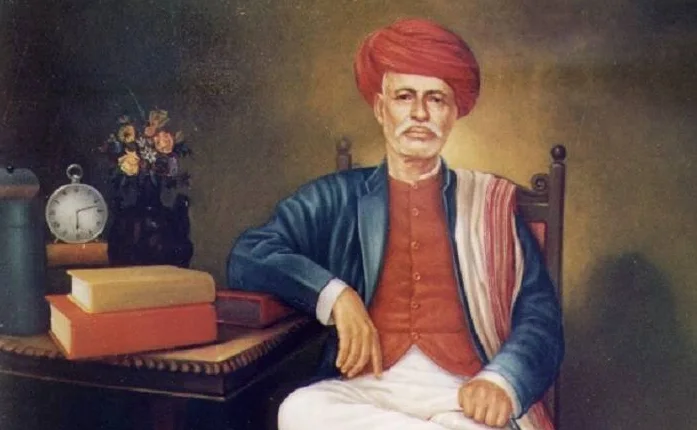 The Radical Humanism of Jyotiba Phule
 - "Jyotiba Phule's radical humanism made him distinct from other nationalist leaders and was emulated by both E V Ramaswamy and Bhimrao Ambedkar." · establishes Phule's ideological influence on later reformers
- "In his struggle against the caste system, Jyotiba Phule's innovation lay in overturning the ideological foundation of what he called Brahmanical order." · captures the intellectual originality of his anti-caste strategy
Mentioned in (23)
Primary works (18)
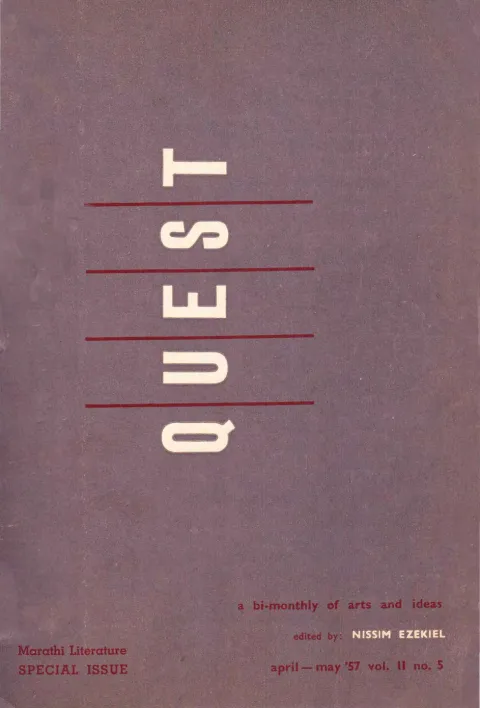
- शेतकरी संघटक · 1992
- "Joshi argues that the 19th-century reformer Jyotiba Phule's anti-Brahmin campaign was fundamentally a defence of productive labour and the exploited peasantry — not a Hindu-communalist project, and not a Muslim-sympathising one either — and recruits Phule for the Shetkari Sanghatana's agrarian-liberal critique of the Indian state and urban rentier class." · summary frames Phule as Joshi's historical authority for the farmers' movement
- "Joshi's core argument is that Phule's 'Bhat-shahi' (Brahminical rule) stands for the exploiting, non-productive class — urbanised, priestly, bureaucratic — and that Phule's true enemy was economic exploitation of the toiling peasant, not Brahmin caste as such." · essay-level paraphrase re-reads Phule's Brahminical-rule critique as a class-economic critique



Opinion pieces (3)
- B.R. Ambedkar on Justice Ranade, Social Reform and Failure of Indian Liberalism
- "Not only did Ambedkar recognize the important groundwork laid by Ranade and Phule in this regard, but he also approved of liberal gradualism as the method to bring change" · Ambedkar's appreciation of Phule's contribution to the social reform project
- Forgotten Feminist, Educator: Fatima Sheikh
- "Jyotirao and Savitribai Phule are widely known pioneers of Indian women's education movements" · contextualising Fatima's role within the Phule-led education movement
- "When Jyotirao and Savitribai were made to leave their ancestral home, it was Fatima who gave them refuge in her house" · Fatima's concrete support for Jyotirao and Savitribai at their moment of social exile
- The Unwavering Feminism of Tarabai Shinde
- "He was associated with Mahatma Phule's Satyasahodhak Samaj though the level of participation and involvement is unknown." · links Shinde's family background to the Phule reformist tradition

Excerpts (1)
- Sharad Joshi on Liberalism in India
- "In their writings, they trace the beginnings of liberalism to J.S. Mill and Adam Smith and of Indian liberalism to Dadabhai Naoroji, Gokhale, Raja Rammohan Roy, Narmad, Phule, Agarkar, et al." · listed as a founding figure of Indian liberal tradition