non liberal
George Bernard Shaw
1856–1950
Also known as: Bernard Shaw
How George Bernard Shaw is discussed in this archive
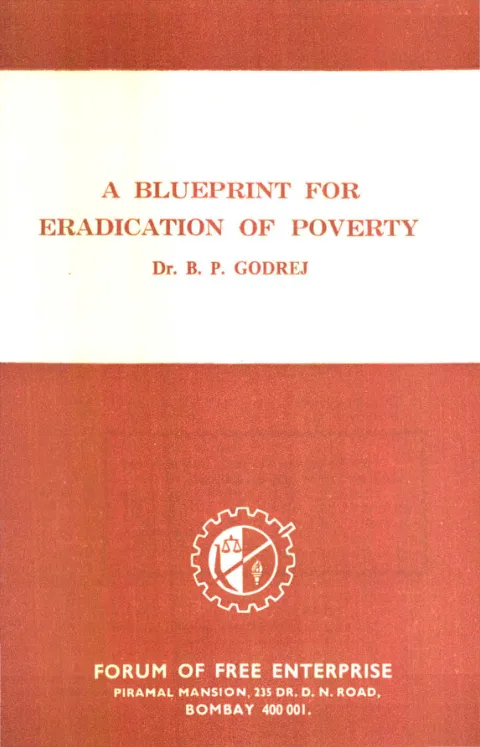
Referenced in 2 other works , including A Blueprint for Eradication of Poverty - Dr B.P. Godrej , and Is There A Middle Way? - Dr F. A. Mehta .
In A Blueprint for Eradication of Poverty - Dr B.P. Godrej : Godrej invokes Shaw's warning about those who minister to poverty as an anchor for his argument that charitable welfare instincts must be tempered by economic realism.
In Is There A Middle Way? - Dr F. A. Mehta : Mehta opens with the anecdote of Isadora Duncan approaching Bernard Shaw with a marriage proposal, using it as a witty illustration of the 'middle way' problem — how combining opposites (beauty and brains) can produce the worst of both worlds.
Mentioned in (7)
Primary works (4)
Excerpts (2)
- A Blueprint for Eradication of Poverty - Dr B.P. Godrej
- "Bernard Shaw's warning: "Those who minister to poverty and disease are accomplices in the two worst of all crimes."" · Shaw's aphorism is cited to caution against treating poverty relief as an end in itself
- Is There A Middle Way? - Dr F. A. Mehta
- "Isadora Duncan is alleged to have approached George Bernard Shaw with a request for marriage on the ground that the product would be unique, combining her beauty with his brains." · The Shaw–Duncan anecdote is Mehta's opening illustration of why the 'middle way' between two extreme positions may combine their worst features rather than their best