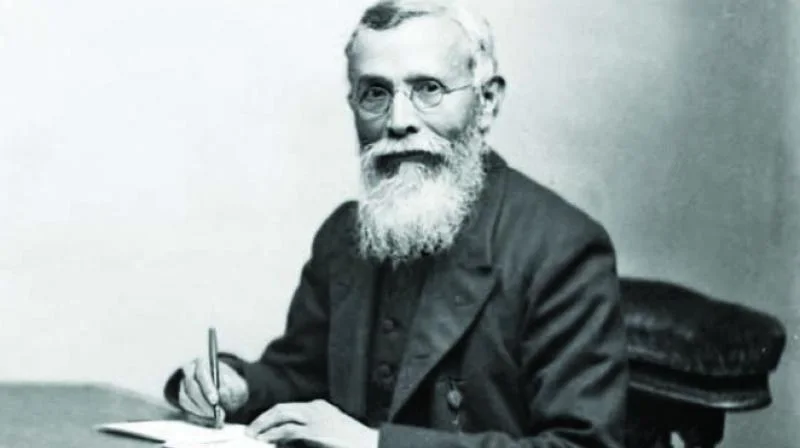
book · biography
Ramtanu Lahiri O Tatkalin Bangosamaj
রামতনু লাহিড়ী ও তৎকালীন বঙ্গসমাজ
1904
13 pages
Summary
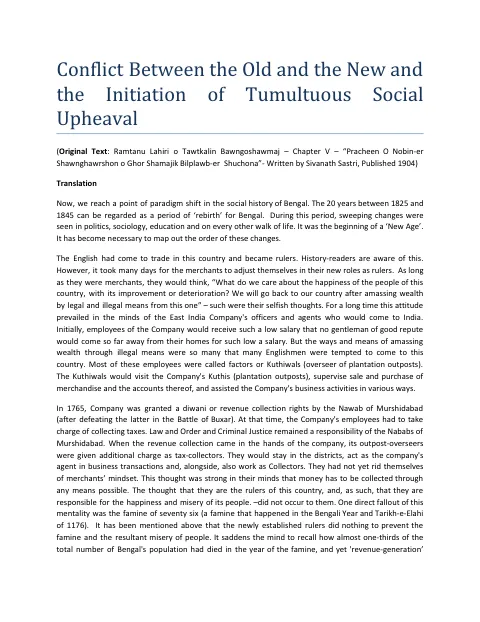
This chapter — Chapter V of Sivanath Sastri’s 1904 Bengali biography of Ramtanu Lahiri — is an English translation covering the period 1825–1833, described as a ‘watershed between the old and the new’ in Bengal’s social history. Sastri frames this era as one of paradigm shift: the East India Company’s consolidation of revenue-extraction power, the catastrophic famine of 1176 Bengali Era (1769–70) and the Company’s callous indifference, and the gradual replacement of Indian officials with Europeans up to 1833, are laid out as the political backdrop against which the social and intellectual upheaval takes place.
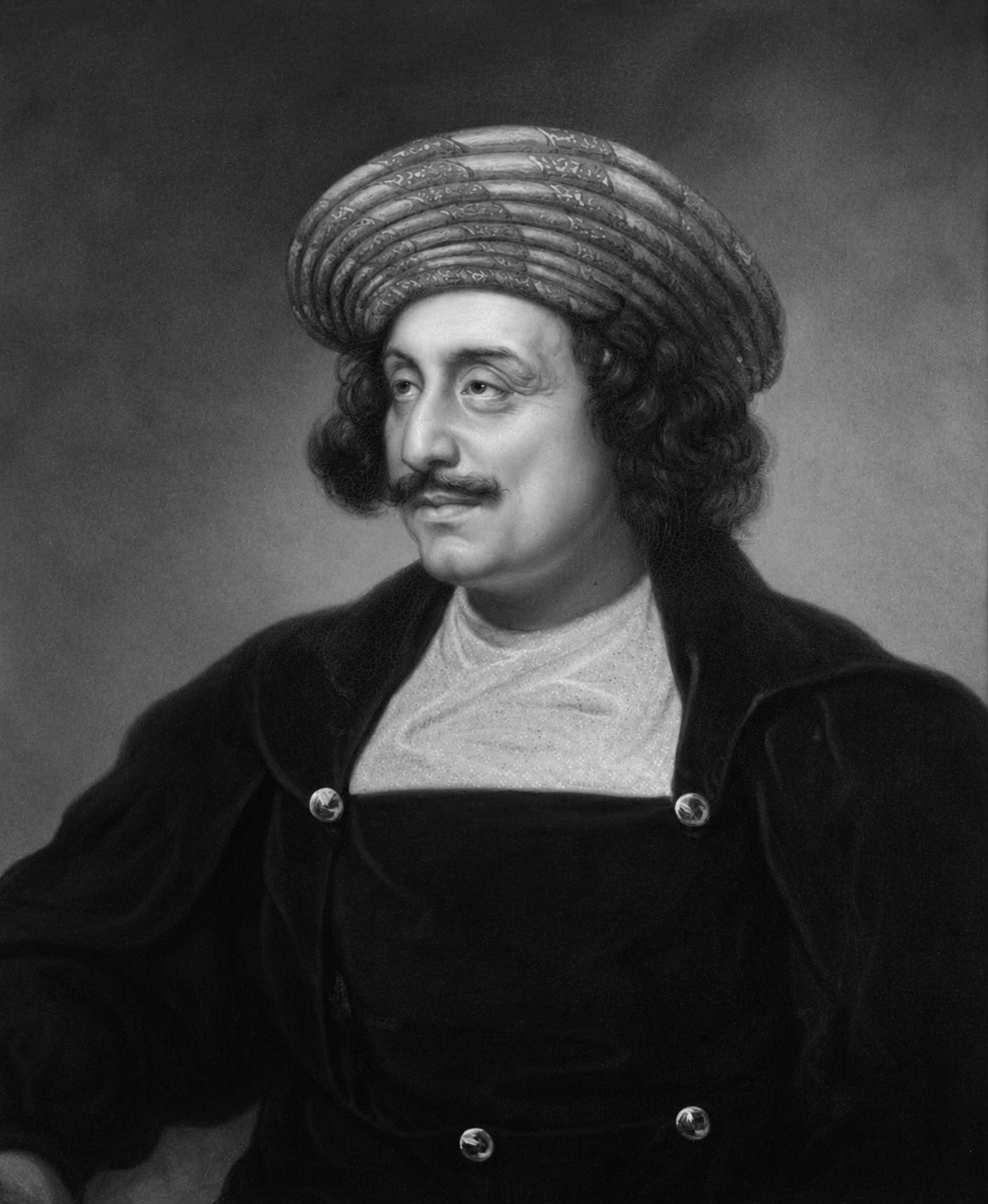
The chapter’s argumentative centre is the collision between orthodoxy and liberal-reformist energies. Sastri traces three overlapping currents: Ram Mohan Roy’s campaign against suttee and his founding of the Brahmo Samaj (1828), the electrifying influence of Henry Louis Vivian Derozio as a teacher at Hindu College (1828–1831) and the ‘Young Bengal’ movement he inspired, and Lord William Bentinck’s abolition of suttee by regulation on 4 December 1829. Ramtanu Lahiri himself is named as a member of Derozio’s circle and a listener at the Academic Association meetings; he graduated from Hindu College in 1833.
The chapter ends with the Charter Act of 1833, specifically Section 87, which barred the East India Company from disqualifying native subjects from holding public office on grounds of religion, birth, descent, or colour — presented by Sastri as a direct fruit of Rammohan Roy’s advocacy in Britain and as the moment that opened government careers to English-educated Indians. Throughout, Sastri interweaves biography with social history, showing the personal networks, debates, and scandals that drove the Bengal Renaissance forward.
Key points
-
Sastri frames 1825–1845 as Bengal’s ‘period of rebirth’, when colonial consolidation and Enlightenment ideas produced an unprecedented social upheaval.
-
The Company’s extraction-first mentality is indicted through Warren Hastings’s 1772 revenue letters and famine data showing collection continued — and even increased — through the catastrophic 1770 famine.
-
Raja Ram Mohan Roy is presented as the catalytic figure who first turned Bengali educated minds westward while selectively retaining Hinduism’s best, founding the Brahmo Samaj in 1828 and spearheading the anti-suttee movement.
-
Derozio’s three-year tenure at Hindu College (1828–1831) is narrated in detail: his Academic Association, the radicalism of his students (‘Young Bengal’), the scandal and social war it provoked, and his eventual sacking and death from cholera in December 1831.
-
Ramtanu Lahiri is identified as an auditor at Academic Association meetings alongside future luminaries such as Rasikkrishna Mallik and Dakshinaranjan Mukhopadhyay.
-
Lord Bentinck’s suttee abolition regulation of 4 December 1829 is quoted verbatim, and Alexander Duff’s educational mission is introduced as a further vector of liberal-Christian influence.
-
The chapter closes with the Charter Act of 1833 (Section 87), opening Company civil posts to Indians regardless of religion, birth, or colour — secured through Rammohan Roy’s lobbying in England, and framed as a turning-point for Ramtanu Lahiri’s generation.
Notable passages
"This chapter — Chapter V of Sivanath Sastri's 1904 Bengali biography of Ramtanu Lahiri — is an English translation covering the period 1825–1833, described as a 'watershed between the old and the new' in Bengal's social history."
"Ramtanu Lahiri himself is named as a member of Derozio's circle and a listener at the Academic Association meetings; he graduated from Hindu College in 1833."
"Ramtanu Lahiri is identified as an auditor at Academic Association meetings alongside future luminaries such as Rasikkrishna Mallik and Dakshinaranjan Mukhopadhyay."
"secured through Rammohan Roy's lobbying in England, and framed as a turning-point for Ramtanu Lahiri's generation."
Metadata and summary are AI-extracted from the source PDF and reviewed for editorial accuracy. The original work is available via the Read PDF tab above (where present); paragraph-level citation inside the PDF is deferred to a future engagement.