occasional paper · position paper
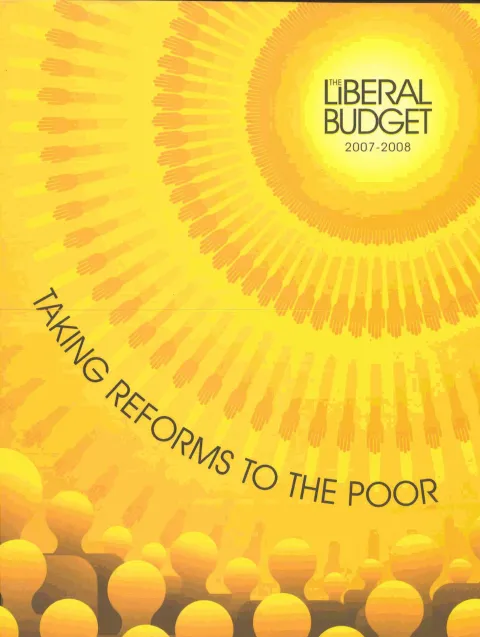
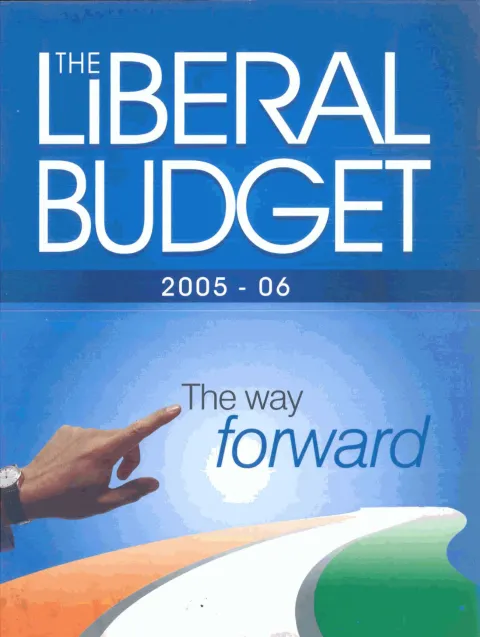
The Liberal Budget 2006-07
Right Choices Tough Decisions
Indian Liberal Group · Mumbai · 2006
43 pages
No. 3 in The Liberal Budget
Summary
The Liberal Budget 2006-07, subtitled “Right Choices Tough Decisions”, is the third alternative budget document produced by the Indian Liberal Group (ILG) under its Project for Economic Education, prepared three months ahead of the Union Budget for the fiscal year 2006-07. The document opens with a statement of liberal philosophy — centring the individual over the state, invoking Gopal Krishna Gokhale’s liberal vision and D. V. Gundappa’s caution about selective borrowing from foreign ideas — before proceeding to a structured five-chapter analysis. The work is positioned explicitly as a counter to both Left-wing obstructionism within the UPA coalition and the UPA government’s failure to press the Economic Policy Reforms (EPR) agenda with sufficient conviction after fifteen years of liberalisation since 1991.
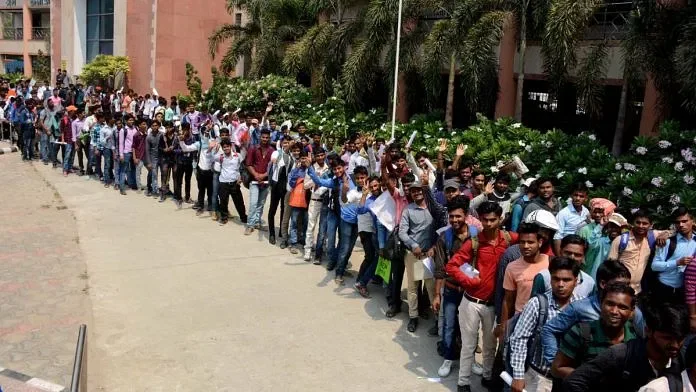
The first chapter assesses India’s Economic Policy Reforms, cataloguing their achievements — GDP growth moving from 1.3% to 7.5%, forex reserves rising from $0.9 billion to $135 billion, FDI inflows from $100 million to $5,500 million — alongside persistent failures: the jobless-growth problem, the North-Central-East regional imbalance, public-sector obstructionism, and inadequate social expenditure. The second chapter reviews the Central Budget 2005-06, acknowledging its growth-supporting features (VAT introduction, Bharat Nirman rural connectivity, Viability Gap Funding for infrastructure) while criticising the coalition compulsions that distorted its fiscal discipline, introduced retrograde taxes (Fringe Benefits Tax, Banking Cash Transaction Tax), and prevented transformational reform in FDI, labour, and disinvestment. The third chapter sets out the Liberal Budget’s strategic framework: a Seven-Point Action Agenda for sustained 8% real GDP growth, poverty reduction to below 15% by 2015-16, and creation of at least 8 million new jobs annually, anchored in a proposed Economic Reforms Implementation Authority (ERIA) to give institutional teeth to reforms. The chapter also calls for aggressive disinvestment of PSUs, radical indirect-tax reform towards a single GST rate, and public-private partnership via Special Purpose Vehicles. Chapter 4, seen through page 18, begins the analysis of Central Government expenditure structure, noting the sharp rise in revenue expenditure (to 87% of total outlay) and the collapse of capital expenditure (to 13%), raising concerns about fiscal quality.
Key points
-
The document is the ILG’s third Liberal Budget, presented three months before the Union Budget 2006-07, explicitly positioning liberal fiscal prescriptions against the UPA coalition’s compromises with Left parties.
-
Chapter 1 provides a balanced scorecard of fifteen years of EPR: strong macro gains (GDP growth, forex, FDI) but stark failures in employment generation, regional equity, social sector spending, and administrative reform.
-
Chapter 2 critiques Budget 2005-06 for introducing regressive taxes (FBT, BCTT) and failing to move on FDI ceilings, labour reform, and disinvestment, despite its welcome features such as Bharat Nirman and VAT.
-
The strategic framework (Chapter 3) proposes a Seven-Point Agenda and an Economic Reforms Implementation Authority (ERIA) — a statutory body headed by a Cabinet-rank minister with corporate-style executive powers — to accelerate reforms.
-
The Liberal Budget advocates aggressive and full disinvestment/privatisation of PSUs, condemning the BRPSE as an outmoded delay mechanism, and calls for ring-fencing disinvestment revenues for incremental infrastructure investment.
-
Chapter 3 calls for a single flat 10% customs tariff, movement to a unified GST regime, and alignment of all indirect taxes with global benchmarks to strengthen manufacturing competitiveness.
-
Chapter 4 raises alarm at the structural deterioration in expenditure quality: revenue expenditure at 87% of total outlay and capital expenditure collapsing to 13%, indicating chronic fiscal ill-health.
Metadata and summary are AI-extracted from the source PDF and reviewed for editorial accuracy. The original work is available via the Read PDF tab above (where present); paragraph-level citation inside the PDF is deferred to a future engagement.