speech
FOURTH PLAN - A STRATEGY FOR ECONOMIC GROWTH?
By F. A. Mehta
Published by M. R. Pai for the Forum of Free Enterprise, "Sohrab House", 235 Dr. Dadabhai Naoroji Road, Bombay-1. and printed by H. Narayan Rao at H. R. Mohan & Co. (Press), 9-B, Cawasjee Patel Street, Bombay - 1. · Bombay · 1969
13 pages
Summary
Dr. F. A. Mehta, Economic Adviser to a business house, delivered this address under the auspices of the Forum of Free Enterprise in Bombay on 23 April 1969; the Forum published it as a booklet on 9 June 1969. Mehta is responding to the Draft Outline of the Fourth Five-Year Plan (1969-74), just approved by the National Development Council, which he reads as marking — at least formally — the resumption of ‘planning’ after the so-called three-year Plan Holiday. His central contention is that the entire framework of planning in India has changed: with subjects of plan implementation legally vested in the States, the Planning Commission’s role as a co-ordinating agency has been hollowed out, and the NDC itself has degenerated into what he calls a ‘Tower of Babel’ of conflicting state ministers, threatening to turn elaborate targets and capital-output ratios into mere ‘paper-value’.
The Plan’s right priorities — agriculture, power and family planning, with a Rs. 4-4.5 per cent agricultural growth target and the resumption of a Rs. 24,400-crore outlay — are, Mehta argues, necessary but emphatically not sufficient. For the first time in 13 years the private sector has been assigned a quantitative target of Rs. 10,000 crores, more than doubling its Third-Plan share, yet the same Draft hedges private investment with restrictions, licences and steps to keep private profit low. Quoting W. Arthur Lewis on the recurring ‘come-to-nothing’ episodes of plans predicated on private investment but hostile to it, Mehta warns that the biggest single beneficiary of any private-sector resurgence will in fact be the Government and the public sector themselves. The ‘true menace’ he locates is the threat of reintroducing price-controls, which he calls a Damoclean sword hanging over Indian industry and the surest way to dismantle the price-mechanism.
The real weakness of the Draft Plan, on Mehta’s reading, is not its size but its ‘national game of fudging’: D. R. Gadgil’s drafting evades the conflict between increased production and increased equality, defaults to the ‘distributive approach’, and offers no concrete policy on taxation, industrial licensing or pricing — least of all for savagely-taxed but capital-hungry sectors like road transport and consumer goods. His prescriptions are blunt: end price-controls, give time-bound freedom from price-controls before demanding fresh investment, liberalise taxation on private savings, abolish industrial de-licensing for the small-scale and stop ‘freezing’ the capacity of large industrial houses. He closes by insisting that the quarrel is no longer between a Big Plan and a Small Plan, nor between the public and private sectors, but between policies that will or will not activise private industry; ideologies of both right and left, he urges, must cease.
Key points
-
Frames the Draft Outline of the Fourth Five-Year Plan as a formal resumption of planning after the ‘three-year Plan Holiday’, but argues that the underlying framework of Indian planning has fundamentally shifted because plan-implementation now legally rests with the States.
-
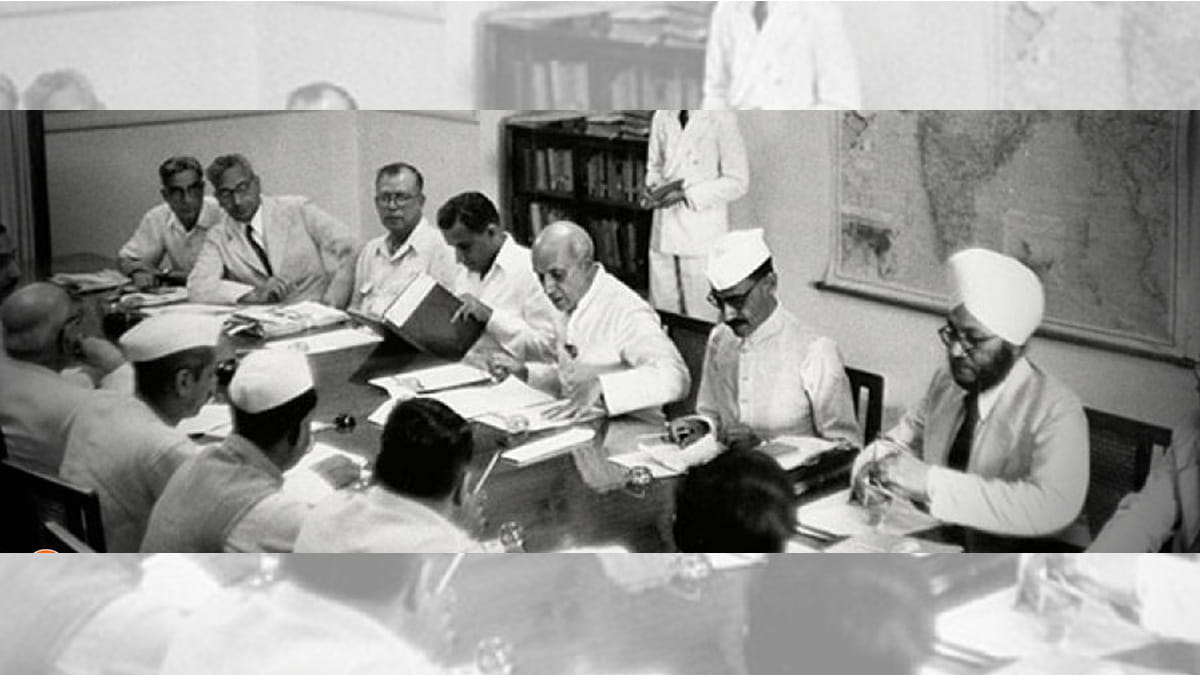
Calls the National Development Council a ‘Tower of Babel’ that has displaced the Planning Commission as effective master of the Plan and threatens to reduce capital-output ratios and elaborate targets to mere ‘paper-value’.
-
Notes that for the first time in 13 years the private sector has been given a quantitative outlay target (Rs. 10,000 crores, more than double the Third Plan’s Rs. 4,190 crores), while the same Draft simultaneously hedges private investment with licences, restrictions and profit-suppressing measures.
-
Argues that the Plan’s right priorities (agriculture, power, family planning, a 4-4.5% agricultural growth rate) are necessary but insufficient without right policies on taxation, industrial licensing and pricing.
-
Identifies the threat of re-introducing price-controls as the ‘true menace’ to private sector industry — a Damoclean sword that would dismantle the price-mechanism and entrench stagnation in investment, production and employment.
-
Reads D. R. Gadgil’s drafting as a ‘national game of fudging’ that evades the conflict between development and distribution and defaults to the ‘distributive approach’ rather than supplying concrete policy.
-
Predicts that the biggest single beneficiary of any genuine revival of private-sector investment will be the public sector and the Union and State Governments, via tax-revenues and demand for capital goods.
-
Concludes that the real quarrel is no longer between Big Plan vs. Small Plan or between public vs. private sectors, but about whether tax, licensing and pricing policies will actually activise private industry — and that ‘ideology, both of the right and of the left, must cease.’
Metadata and summary are AI-extracted from the source PDF and reviewed for editorial accuracy. The original work is available via the Read PDF tab above (where present); paragraph-level citation inside the PDF is deferred to a future engagement.