book · biography
Rajagopalachari: A Biography
4 pages
Summary
This rendered excerpt from Rajagopalachari: A Biography presents C. Rajagopalachari (CR, or Rajaji) as an assertive administrator who used provincial office to pursue Congress nation-building programmes. The pages describe his introduction of prohibition, including its gradual extension from Salem to other districts, the use of permits for medical and religious purposes, and the replacement of liquor shops with tea shops. They also recount the Agriculturists’ Debt Relief Act, which extinguished certain debts when interest and repaid capital reached twice the original loan, despite opposition criticism.
The excerpt gives particular attention to Rajaji’s temple-entry reform. It narrates the entry of a group of Harijans into Madurai’s Meenakshi Temple under A. Vaidyanatha Iyer, the resulting legal threat, and Rajaji’s rapid preparation of an indemnifying ordinance with the assistance of his son and legal officials. The account presents the ordinance as a challenge to orthodox resistance and as an example of governmental power being used for social reform. The final visible section discusses the introduction of Hindi or Hindustani in selected schools as part of Congress nation-building, the protests led by opponents including E. V. Ramasamy Naicker, and the political controversy surrounding compulsory Hindi instruction.
Key points
- Rajaji used the administrative machinery of the Madras Presidency to implement Congress nation-building programmes.
- The prohibition experiment began in Salem and was gradually extended after reports of administrative success.
- The Agriculturists’ Debt Relief Act addressed debts whose interest and capital repayments reached twice the amount originally borrowed.
- Temple-entry reform required Rajaji’s government to confront orthodox opposition and provide legal protection for worshippers.
- The temple-entry ordinance was drafted rapidly and eventually received the necessary sanction from the Viceroy.
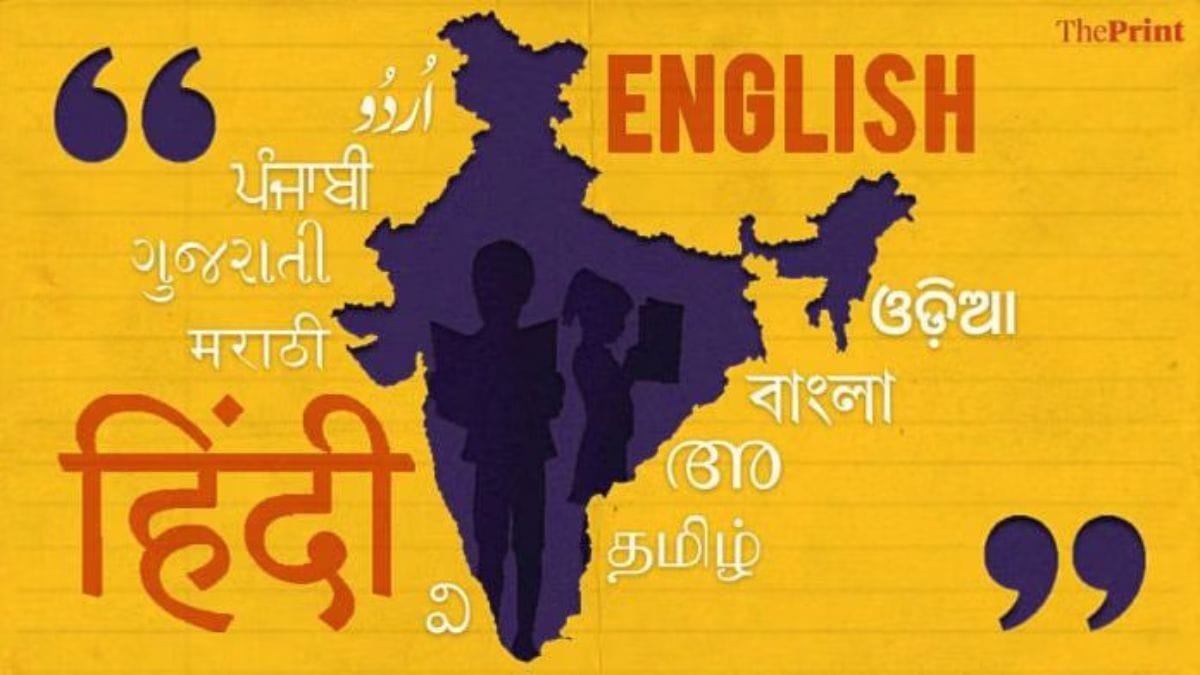
- Hindi or Hindustani was promoted in selected schools as a common Indian language for inter-provincial communication.
- The Hindi policy provoked protests, arrests, legislative debate, and criticism from Gandhi and the Self-Respect Movement.
Metadata and summary are AI-extracted from the source PDF and reviewed for editorial accuracy. The original work is available via the Read PDF tab above (where present); paragraph-level citation inside the PDF is deferred to a future engagement.