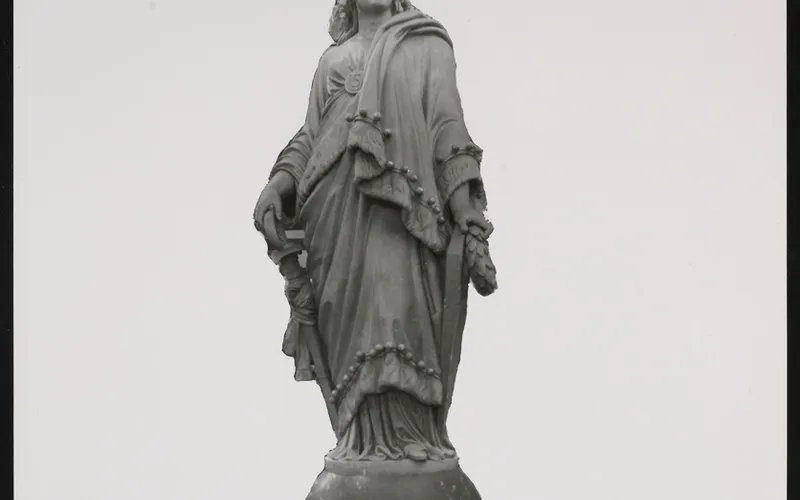
social reformer
Chhatrapati Shivaji
Chhatrapati Shivaji Maharaj
Also known as: Shivaji, शिवाजी, छत्रपती शिवाजी, छत्रपती शिवाजी महाराज
How Chhatrapati Shivaji is discussed in this archive
Referenced in 2 other works , including समस्याएँ भारत की , and ART VERSUS LAW AND ORDER .
In समस्याएँ भारत की : Shivaji is paired with Maharana Pratap as the second exemplar of the armed-resistance tradition Joshi invokes to dignify the farmer's struggle, drawing on Marathi cultural memory familiar to Shetkari Sanghatana's base.
In ART VERSUS LAW AND ORDER : Shivaji is discussed as a historical figure whose legacy is invoked — and distorted — by political actors seeking to suppress artistic expression, illustrating how heritage can be weaponised against free speech.
Mentioned in (4)
Primary works (3)
- समस्याएँ भारत की · 1988
- "the concept of freedom that animated anti-colonial struggles — associated with figures such as Maharana Pratap and Shivaji — was appropriated by urban nationalists after 1947 and turned into a tool of continued rural subjugation" · Essay 3 names Shivaji as part of the resistance lineage Joshi reclaims from post-1947 urban nationalism
- "Joshi invokes the moral-historical tradition of armed resistance (Maharana Pratap, Shivaji) to argue that farmer self-assertion is not merely an economic demand but a legitimate continuation of freedom struggle" · the key-points summary re-deploys Shivaji to frame farmer mobilisation as the legitimate heir of the armed-resistance tradition

Excerpts (1)
- ART VERSUS LAW AND ORDER
- "Shivaji Bhosle (1630-1680), the Maratha Emperor with the royal title Chhatrapati Shivaji Maharaj, fought for the freedom of the Maratha nation from Sultanate of Bijapur." · Shivaji's historical identity is introduced to contextualise the political misuse of his legacy to justify censorship and communal violence